病灶內類固醇注射 (Intralesional Steroid Injection)
病灶內類固醇注射 (Intralesional Steroid Injection)
自 1952 年以來,病灶內皮質類固醇注射 (intralesional corticosteroid injections) 一直被視為一種有效的痤瘡 (acne) 治療方法,尤其是在外用與口服治療失敗後,或當需要快速反應時。類固醇注射可作為單一療法 (monotherapy),或與其他治療合併用於結節性與囊腫性痤瘡 (nodular and cystic acne),可能使結節在 2 to 3 days 內變平 (Table 51-1)。6,7 此方法的作用機轉是在痤瘡丘疹 (papule) 或結節 (nodule) 處維持高類固醇濃度,同時將全身性吸收 (systemic absorption) 降至最低,以預防不良反應。在分子層級上,標的細胞 (target cell) 內的類固醇–受體複合物 (steroid–receptor complex) 結合糖皮質素反應元件 (glucocorticoid response elements),直接影響基因轉錄 (gene transcription)。以皮質類固醇 (corticosteroids) 注射可發揮抗發炎效果,並增強某些前列腺素 (prostaglandins) 與白三烯素 (leukotrienes) 的生成。7
Triamcinolone 衍生物因其低疼痛的給藥方式與較長的作用時間,而被廣泛用於病灶內注射 (intralesional injections)。Triamcinolone acetonide 在用於臉部時,常被稀釋至 5 or 3.3 mg/mL,不過劑量與注射間隔可能依病灶的類型與大小而有所不同。病灶內 triamcinolone acetonide 注射的優點包括其簡便性、可負擔的成本,以及有限的副作用特性 (side-effect profile),雖然可能的副作用包括萎縮 (atrophy)、色素異常 (dyspigmentation) 與微血管擴張 (telangiectasias)。7–9
雖然病灶內 triamcinolone 注射傳統上是藉由將針插入標的區域來施行,Lee 等人建議將針穿過毛孔 (pore) 插入,繞過完整的皮膚。此方法可能造成較少的疼痛、出血與萎縮 (atrophy)。9 病灶內注射 (intralesional injections) 最適合用於偶發或特別頑固的囊腫性病灶 (cystic lesion)。8
Levine 與同僚探討了治療結節囊腫性痤瘡 (nodulocystic acne) 所需的病灶內類固醇最低有效劑量,並發現極低濃度的 triamcinolone acetonide (0.36 mg/mL) 不僅與較高濃度同樣有效,還能降低萎縮 (atrophy) 與色素變化 (pigmentary changes) 的風險。6
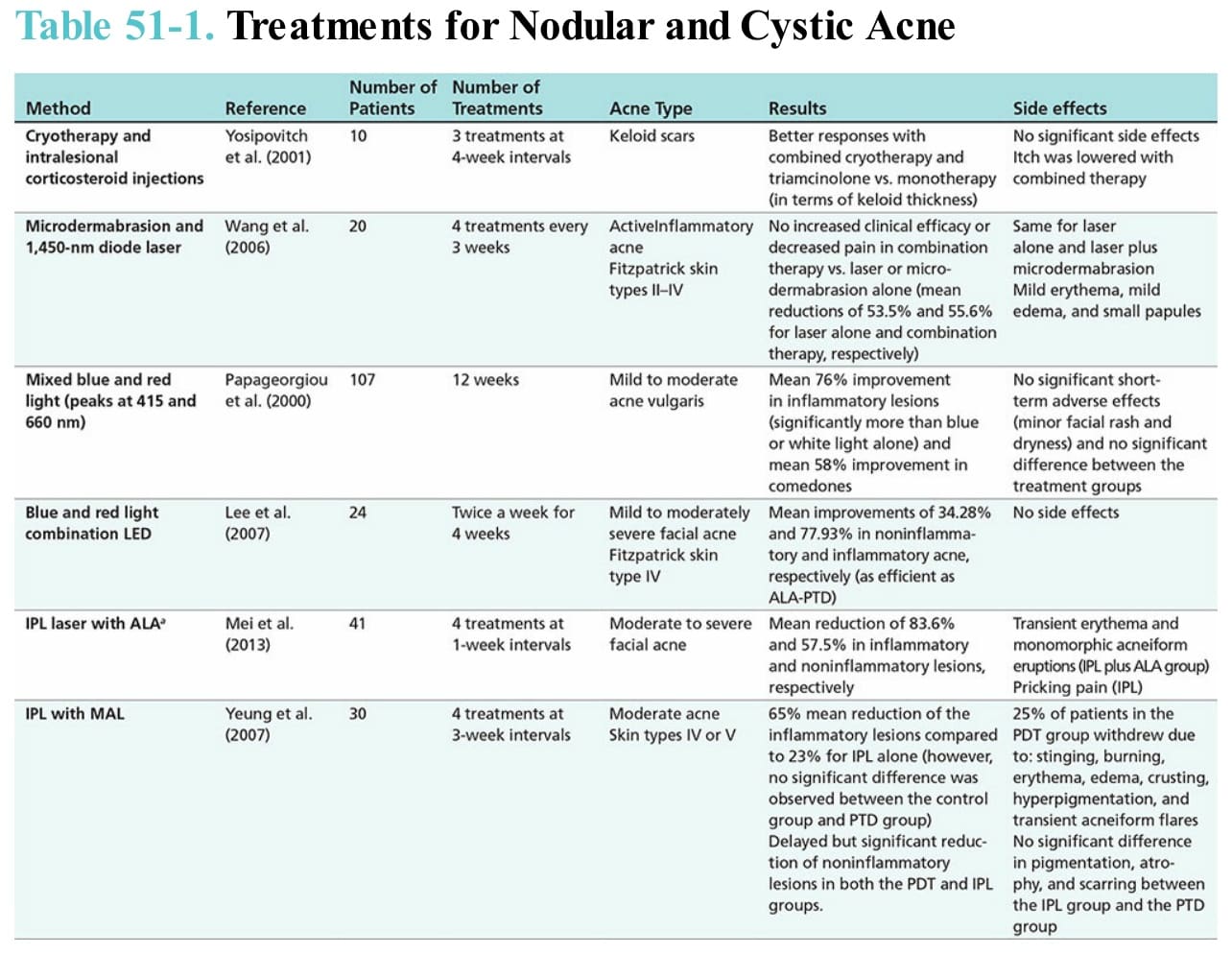
表 51-1:結節性與囊腫性痤瘡的治療 (Treatments for Nodular and Cystic Acne)。