INTRALESIONAL STEROID INJECTION
INTRALESIONAL STEROID INJECTION
Since 1952, intralesional corticosteroid injections have been considered an effective acne treatment method, especially after topical and oral treatments have failed or when a rapid response is necessary. Steroid injection can be used as monotherapy or in combination with other treatments for nodular and cystic acne, which may result in nodules flattening in 2 to 3 days (Table 51-1).6,7 This method works by maintaining a high steroid concentration at the acne papule or nodule while minimizing systemic absorption in order to prevent adverse reactions. At the molecular level, the steroid– receptor complex within the target cell binds glucocorticoid response elements, directly affecting gene transcription. Injection with corticosteroids exerts anti-inflammatory effects and enhances the production of certain prostaglandins and leukotrienes.7
Triamcinolone derivatives are widely used for intralesional injections because of their low-pain administration and longer duration of action. Triamcinolone acetonide is often diluted to 5 or 3.3 mg/mL for use on the face, although dose and injection intervals may vary according to the type and size of the lesion. Advantages of intralesional triamcinolone acetonide injection include its simplicity, affordable cost, and limited side-effect profile, though possible side effects include atrophy, dyspigmentation, and
telangiectasias.7–9
Although intralesional triamcinolone injections are traditionally administered by inserting the needle into the target area, Lee et al. suggested inserting the needle through the pore, bypassing intact skin. This method may results in less pain, bleeding, and atrophy.9 Intralesional injections are best used for an occasional or particularly stubborn cystic lesion.8
Levine and colleagues explored the minimum dosage of intralesional steroids required to be effective for nodulocystic acne treatment and found that very low concentrations of triamcinolone acetonide (0.36 mg/mL) are not only as effective as higher concentrations, but also reduce the risk of atrophy and pigmentary changes.6
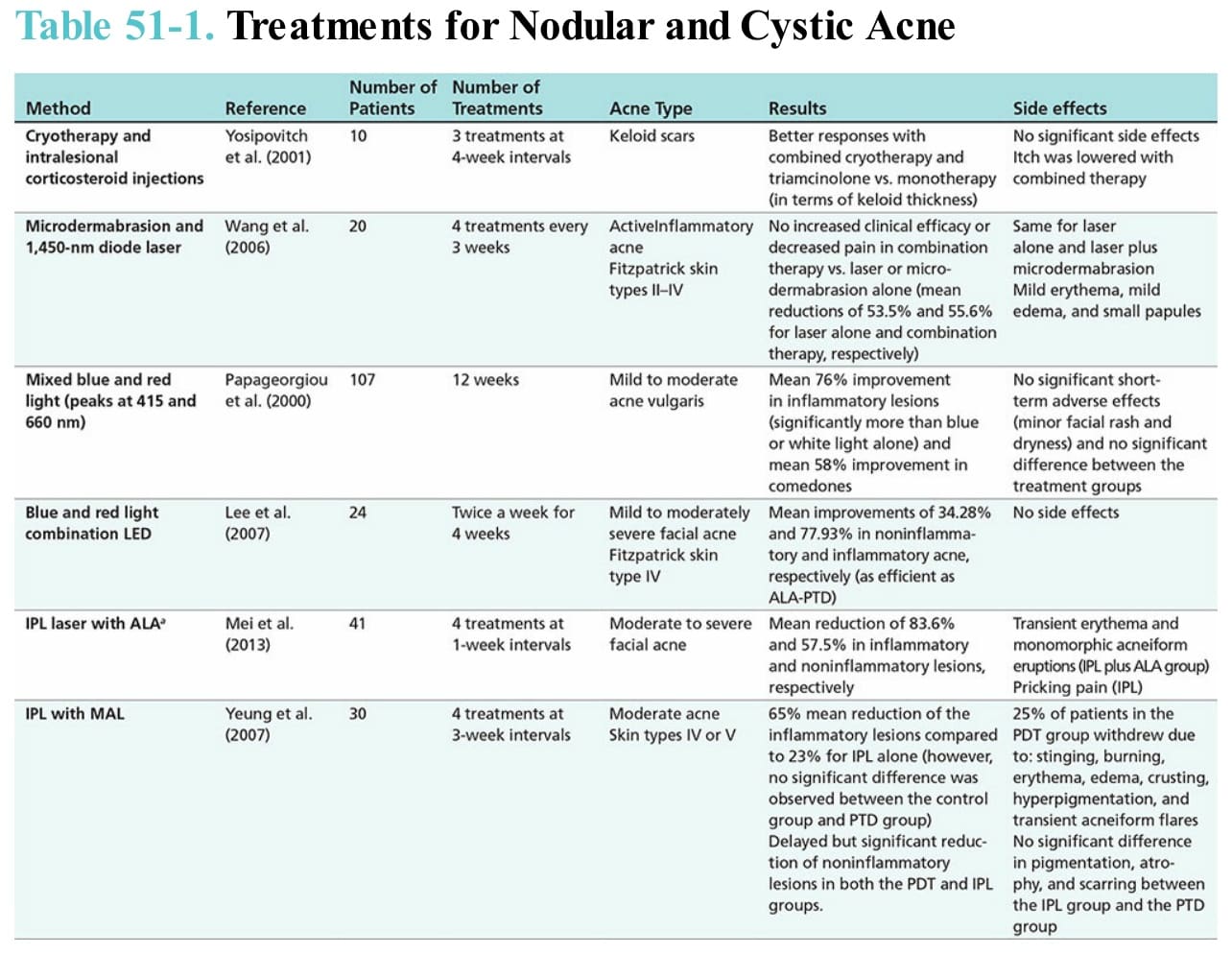
Table 51-1. Treatments for Nodular and Cystic Acne