SPECIAL CONSIDERATIONS
SPECIAL CONSIDERATIONS
Certain anatomical variations warrant more attention than others when planning aesthetic genital surgery. With labia minora reduction, not only the length of the labia minora, but also the thickness of the subcutaneous and submucosal tissue should be assessed.
Thin labia minora (Fig. 81-11) are less amenable to wedge reduction techniques due to their thin dermis and submucosa, which make layered closure of the wedge defect difficult. A common complication of inadequate closure of the wedge defect is a window, or mid incisional partial dehiscence. Repair of the defect is difficult, as the temptation exists to reexcise the wedge, which frequently results in a secondary dehiscence. It is best to attempt to convert the closure of the window to an edge closure by excision of the distal labia minora on either side of the dehiscence to create a smooth external border at the level of the window. This may create a labium that is slightly shorter when compared to the contralateral side (Fig. 81-12).
Another anatomical variation to be wary of is the large clitoral hood (Fig. 81-13). In evaluating patients with significant volume of the clitoral area it is important to palpate the clitoris to make sure that clitoromegaly is not the source of tissue excess. Once it is determined that only the clitoral hood is redundant and the clitoral size is normal, methods of clitoral hood reduction should be considered. Usually the width of the clitoral hood is the issue of concern. This should be treated with a lateral hood excision on either side or an extended labiaplasty, where the dog-ear from the wedge resection is taken anterolaterally to decrease the width of the clitoral hood.
Patients with large clitoral hoods are better treated with an extended wedge technique, rather than an edge trim. A large clitoral hood is tethered posteriorly during the closure of a wedge procedure. In contrast, when an aggressive edge trim is performed without addressing the clitoral hood, an imbalance occurs. Patients end up with a “penis deformity,” where the labia minora appear amputated and the clitoral hood paradoxically enlarged (Fig. 81-14). This is a very difficult problem to repair, and clitoral hood flaps may be needed to improve the appearance of these deformities.24
In considering patients for wedge resection, it is important to evaluate the posterior portion of the labia minora or the posterior fourchette. There are two anatomic variations that exist: separate posterior labia minora (Fig. 81-15) or a connected posterior lip (Fig. 81-16). In the latter, wedge resection may pull the posterior connection anteriorly resulting in partial posterior obstruction of the introitus. Patients will complain of discomfort during intercourse. In order to prevent this problem, a modified episiotomy of the posterior lip should be performed at the time of the wedge resection. This will create two separate components of the labia minora and prevent any obstruction of the posterior introitus.
COMPLICATIONS
The most common complication with labiaplasty is partial wound dehiscence or notch deformity.25 This complication occurs more frequently with wedge resections (Fig. 81-
17) than edge trim procedures. Smoking, diabetes, and obesity are risk factors for dehiscence. Additionally, patients who are too active in the early postoperative period may rupture a suture, resulting in an edge separation. Treatment of small edge dehiscence is either by reexcision with primary closure or edge trim of the remaining anterior and posterior sections. Prevention of wound separations is dependent on a tension free closure and meticulous surgical technique.
Hematoma is another complication that occurs with aesthetic genital surgery. Small hematomas with minimal tissue distortion and pain may be treated nonsurgically. Usually they liquefy in a few days and drain spontaneously from the incision (Fig. 81- 18). Large hematomas are more common with labia majora reduction, and require operative evacuation and drainage (Fig. 81-19). Early intervention is important to avoid tissue necrosis. Acceptable cosmetic results may be obtained after large hematoma drainage in most cases (Fig. 81-20).
In general, complications from aesthetic genital surgery are uncommon. Proper attention to patient selection, careful preoperative planning, and meticulous surgical technique will help prevent most adverse events.
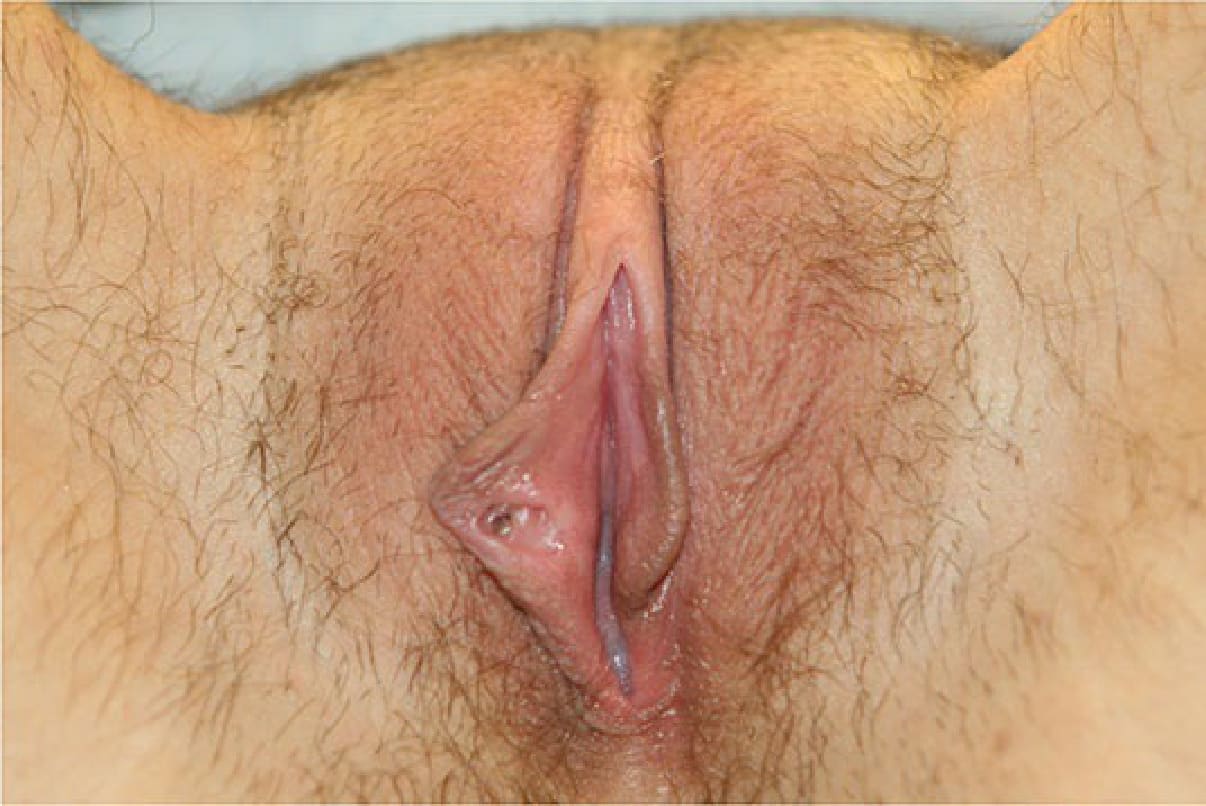
Figure 81-11. A common complication of inadequate closure of the wedge defect is a window, or mid incisional partial dehiscence.
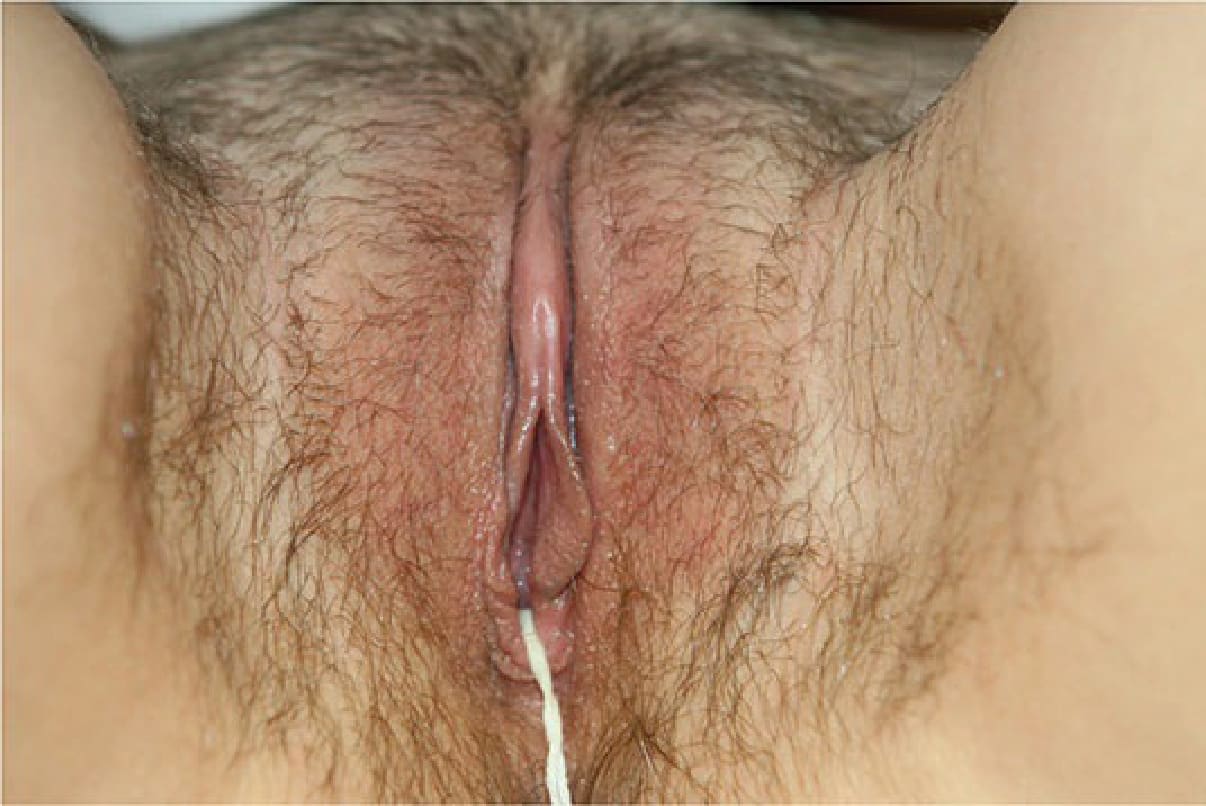
Figure 81-12. It is best to convert the closure of the window to an edge closure by excision of the distal labia minora on either side of the dehiscence to create a smooth external border at the level of the window. This may create a labium that is slightly shorter when compared to the contralateral side.
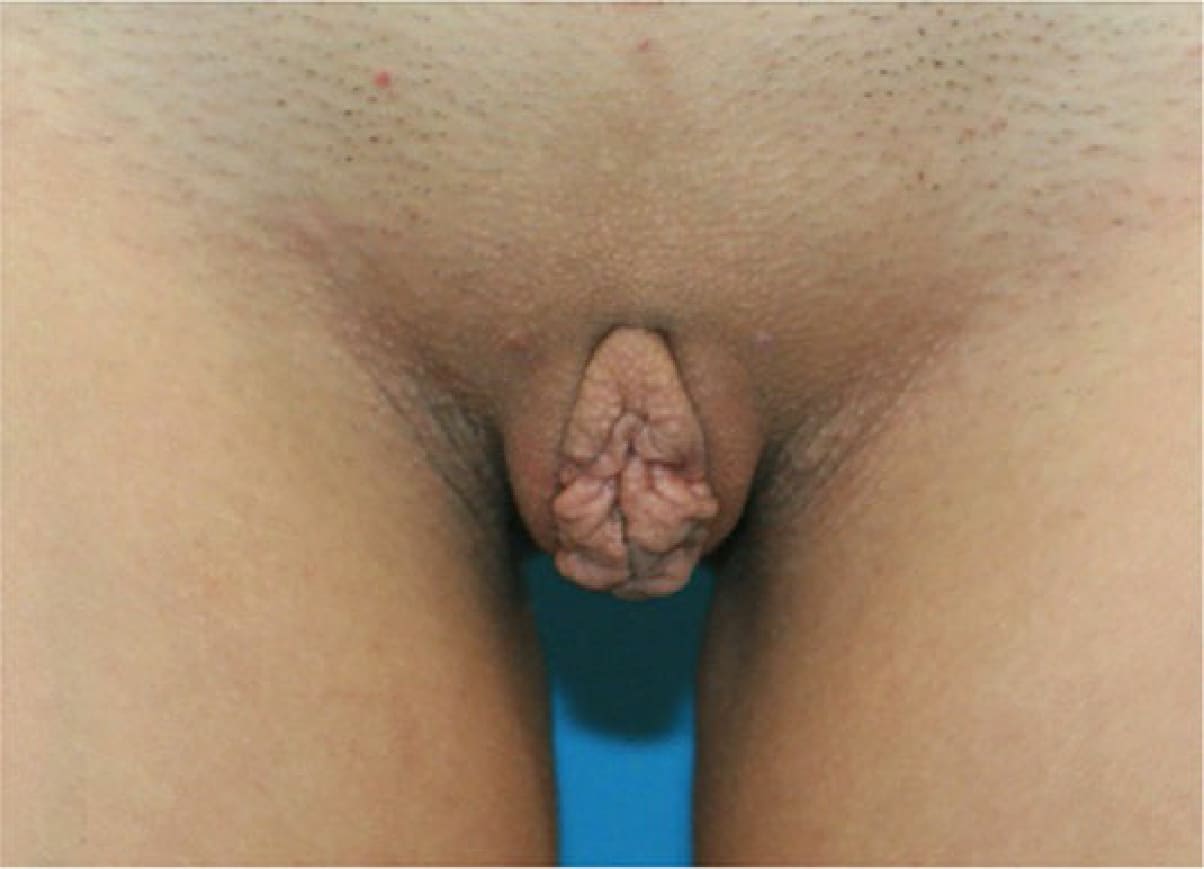
Figure 81-13. Another anatomical variation to be wary of is the large clitoral hood.
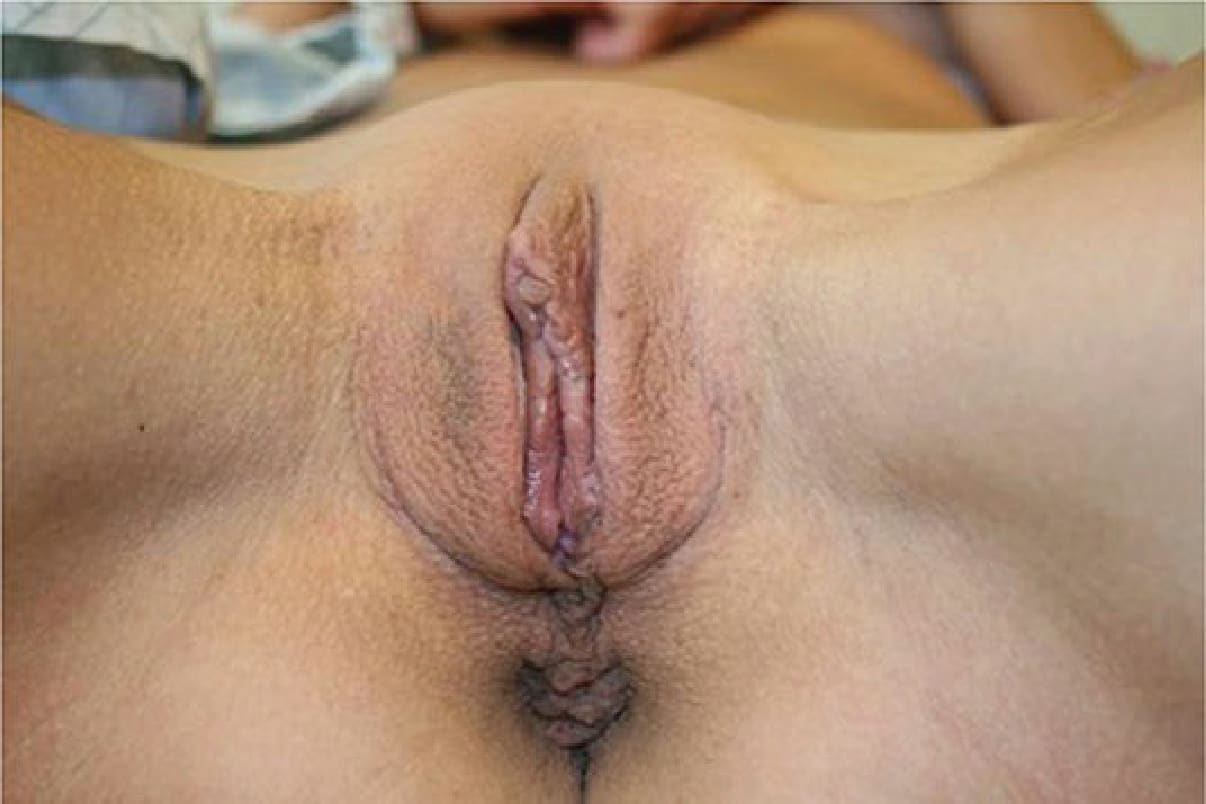
Figure 81-14. Patients may end up with a “penis deformity,” where the labia minora appear amputated and the clitoral hood paradoxically enlarged.
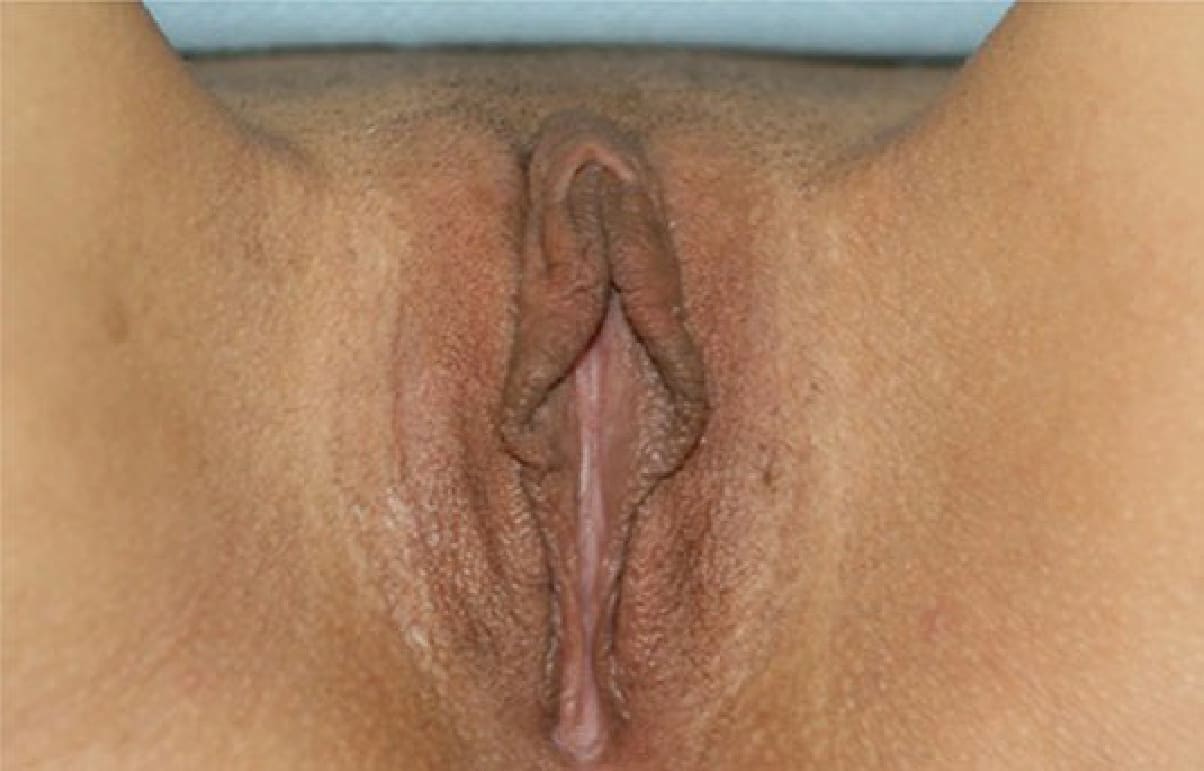
Figure 81-15. One variation is the separate posterior labia minora.
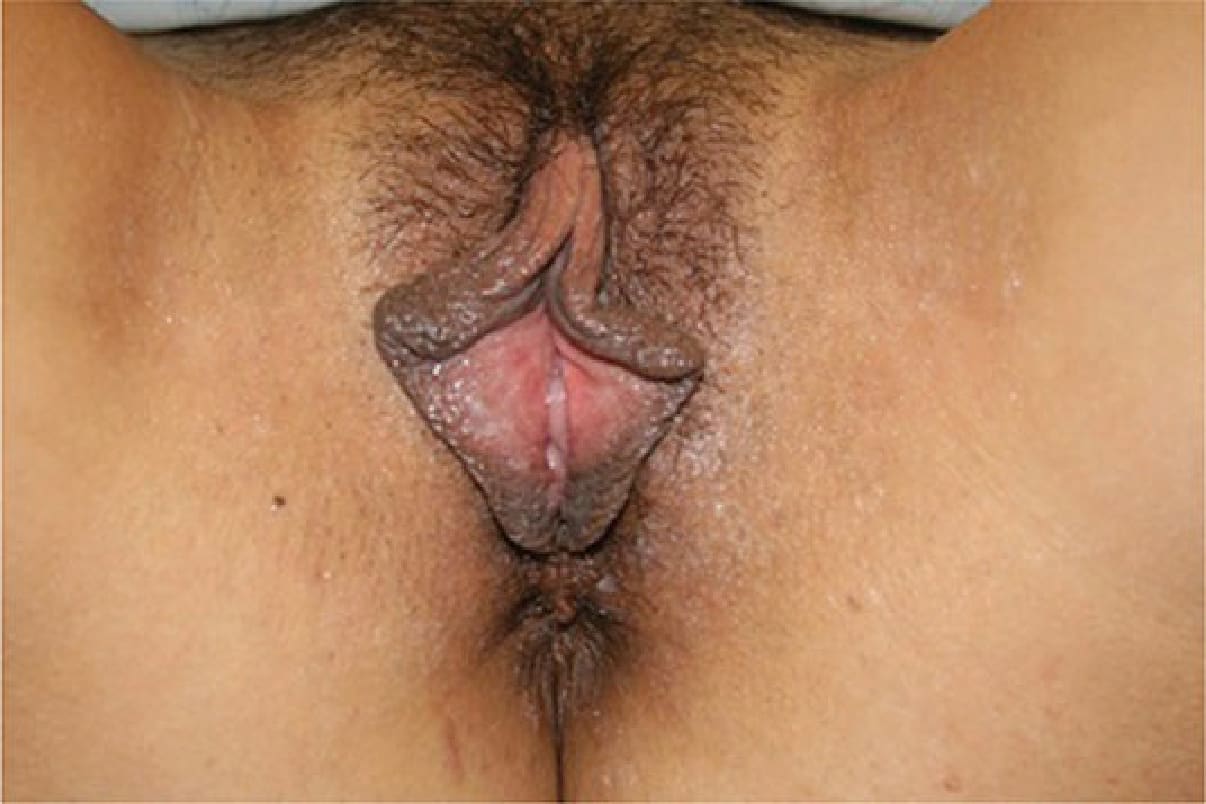
Figure 81-16. Another variation is a connected posterior lip.
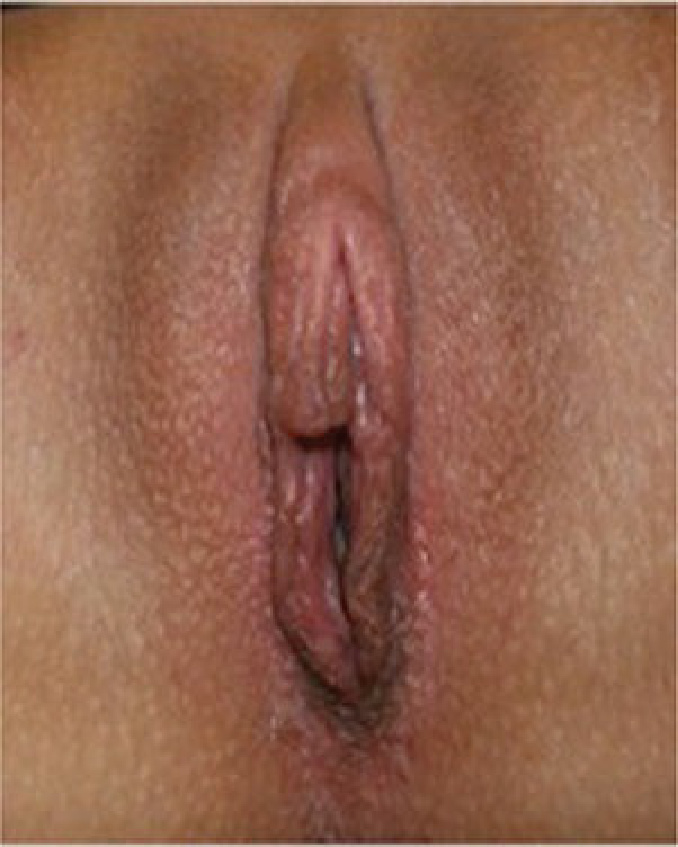
Figure 81-17. The most common complication with labiaplasty is partial wound dehiscence or notch deformity.
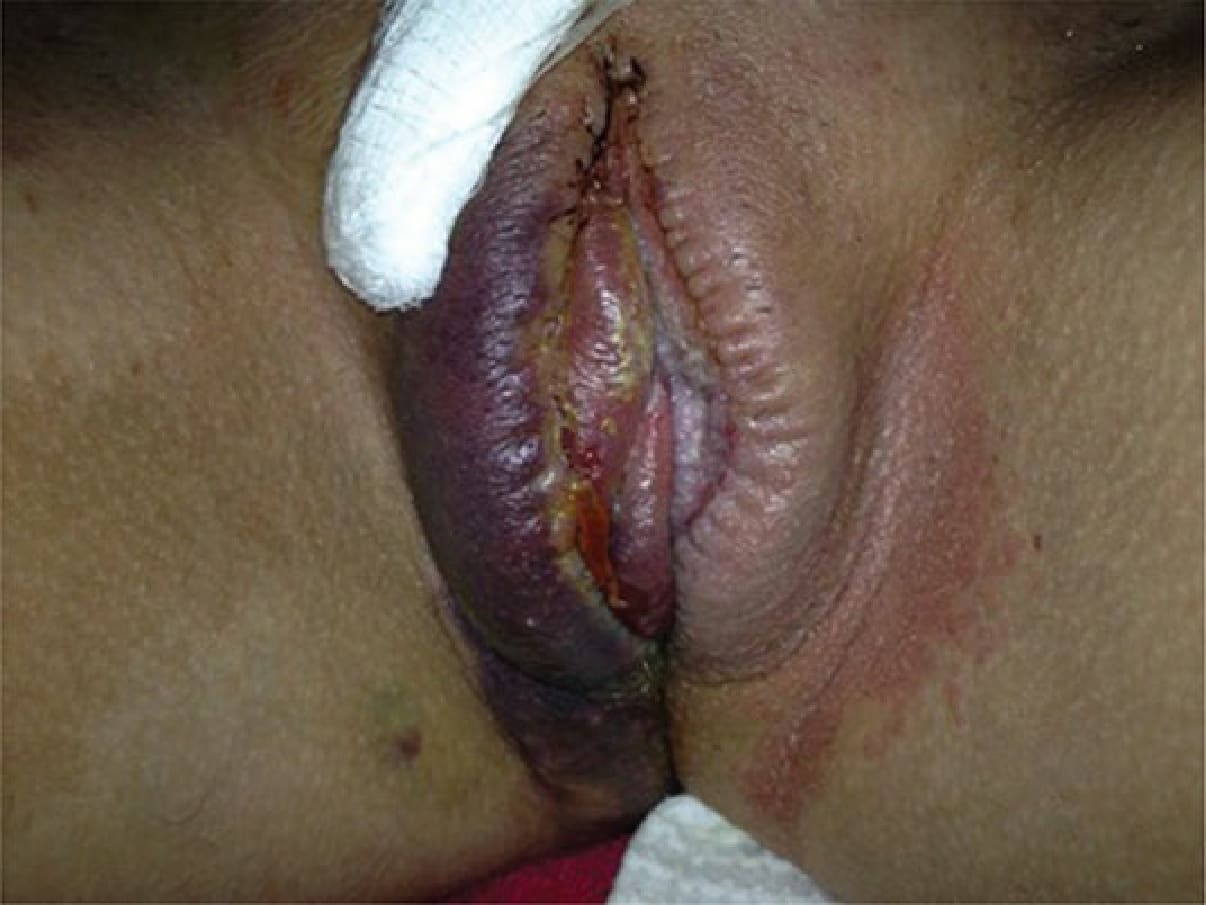
Figure 81-18. Hematoma is another complication that occurs with aesthetic genital surgery.
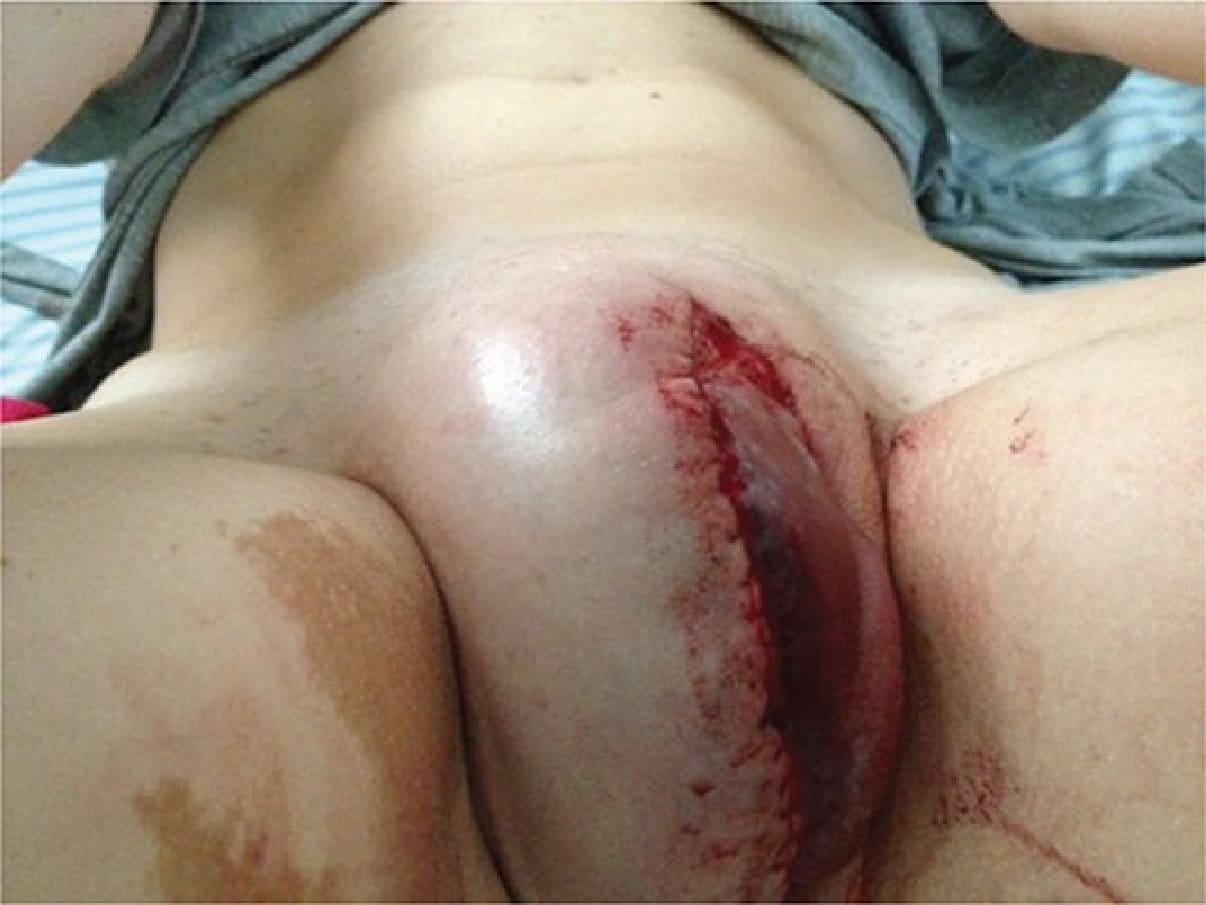
Figure 81-19. Large hematomas are more common with labia majora reduction, and require operative evacuation and drainage.
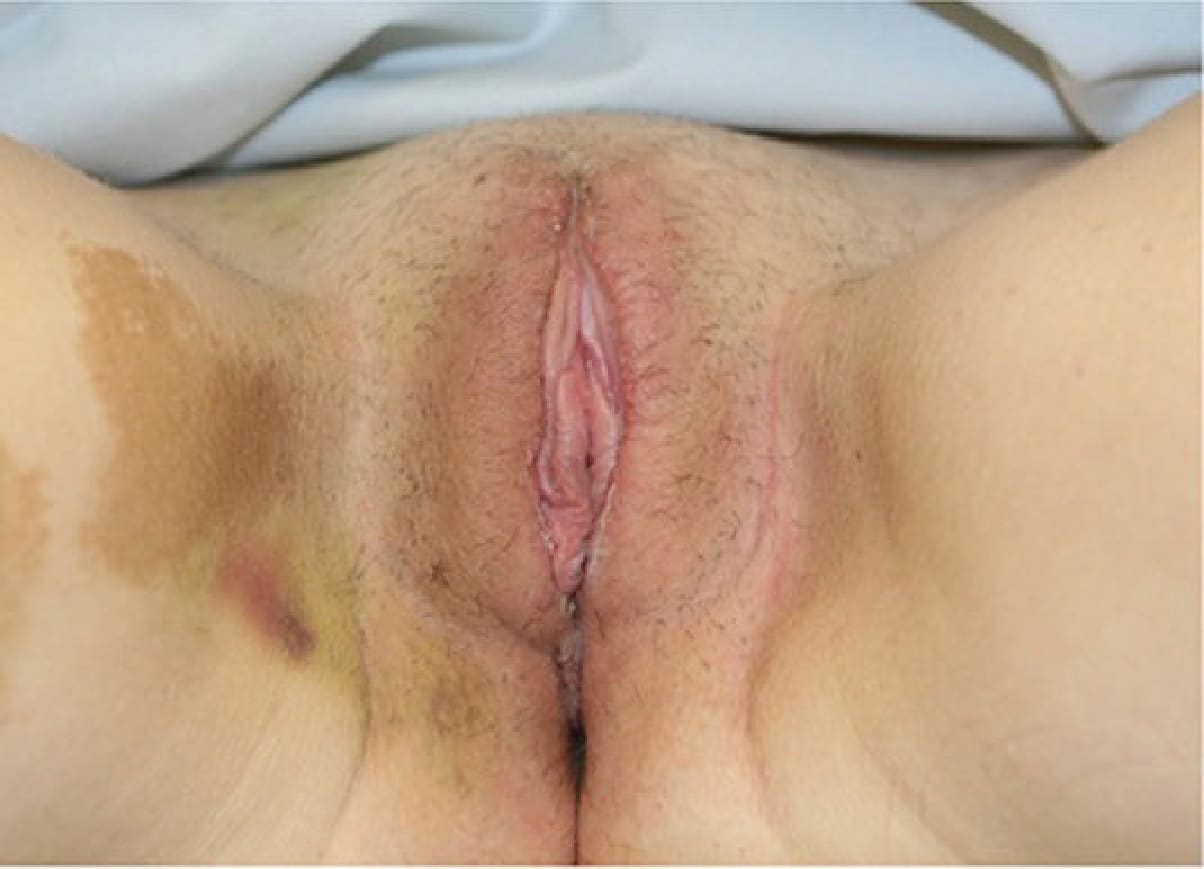
Figure 81-20. Acceptable cosmetic results may be obtained after large hematoma drainage in most cases.