CHEMICAL PEELS
CHEMICAL PEELS
Chemical peels are a fast, reliable, effective, and inexpensive method of wounding the skin under controlled conditions to induce skin regeneration. While the concept of applying topical solutions to rejuvenate the skin has been practiced for centuries, dermatologists pioneered the scientific study of using chemical solutions to produce targeted, predictable, and reproducible effects on the skin.1 In trained hands, chemical peel solutions can be used to treat a diverse array of concerns including acne vulgaris, actinic keratosis, melasma, and photodamage. Scientific research on the effect of these peels is challenging given the cosmetic nature of these procedures and difficulty with obtaining biopsy samples from facial locations. The number of peels on the market also increases annually with new concentrations, formulations, and combination agents available. In addition, variations in application technique between physicians and variations in patients’ response to wounding make extrapolation of results unreliable.
Chemical peels are generally classified according to the relative depth of wounding (Table 78-1). Very light superficial peels penetrate only the stratum corneum, primarily acting as exfoliants, whereas superficial peels penetrate down to the basal layer of the
epidermis. Medium depth peels reach the papillary dermis, while deep peels may reach the reticular dermis. While the relative depth of penetration of each compound is generally established by its chemical properties (acidity, toxicity, and metabolic interaction with endogenous proteins), the patient’s inherent skin characteristics as well as the surgeon’s application technique will impact penetration depth. Treatment location may also lead to variations in results. The same peel applied in the same manner may not penetrate as deeply on the forehead, where the skin is thicker and more sebaceous, compared to the preauricular cheek or the eyelid skin.
aThese are guidelines. Actual depth of penetration depends on a multitude of factors, including patient skin characteristics and application techniques.
When performing chemical peels it is best to establish a consistent technique to improve the predictability of outcomes. In general, as the ablative depth increases, so does the potential for adverse effects. When selecting a peel solution, the ablative depth of the chemical peel should correspond to the histologic depth of the targeted concern. This selection should be tailored to each patient. To minimize adverse events, appropriate pre- and post-peel regimens should also be in place.
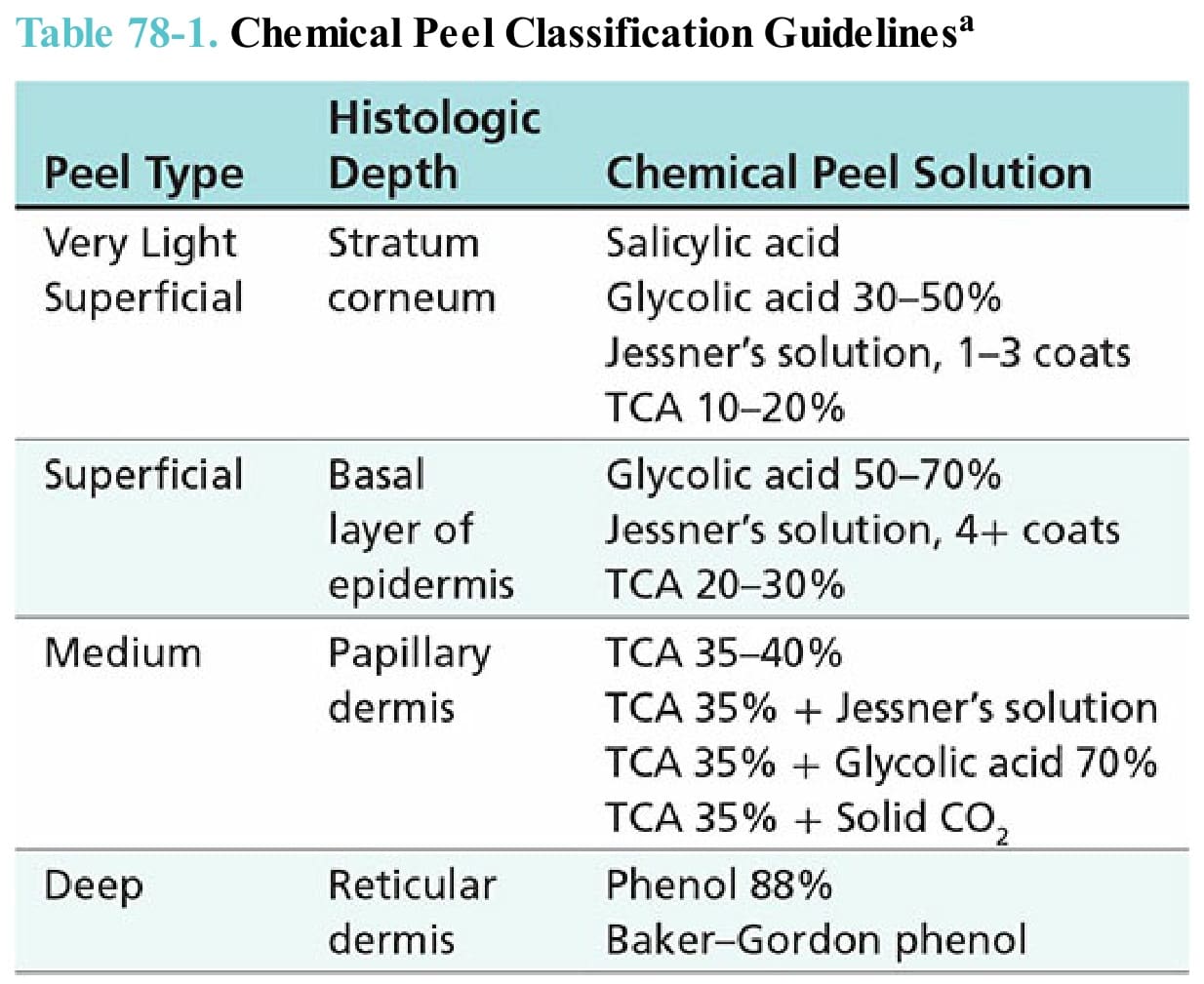
Table 78-1. Chemical Peel Classification Guidelinesa