Newer peels
Newer peels
Various peels, including lactic acid,42 arginine, pyruvic acid,43 mandelic acid44 along with tretinoin peels,45 and Obagi blue peel46 have been used in treatment of hypermelanoses with encouraging results and a good safety profile. Another new chemical peel on the horizon is lipohydroxy acid (an SA derivative) which has good penetration throughout the epidermis due to increased lipophilicity and greater keratolytic effect.47
Procedure and assessment An adequate preprocedure assessment of the patient should be done prior to commencing with the peel sessions. This has been detailed in Table 76-4 and ideally includes detailed history, and complete medical examination (general physical and
cutaneous examination) along with photographs. The procedure should be explained to the patient and an informed consent obtained. A properly performed assessment helps the surgeon choose an appropriate candidate for the peel procedure, and allows the provider to identify the patients at risk for SE (Table 76-5). It is absolutely imperative to take a proper history of these points as well as look for them during examination because the peeling procedure could lead to unfortunate SE in such patients.
The patient should be adequately primed for around 2 to 4 weeks pre-peel. Priming can be performed with topical skin-lightening agents such as HQ-, GA-, and kojic acid– based preparations or topical tretinoin, coupled with regular sunscreens. A postauricular test peel can be performed to rule out any allergic reactions or SE. After the peel has been completed, post-peel instructions should be explained to the patient and the importance of photoprotection and emollients should be stressed upon.
Complications Superficial peels are generally safe and well tolerated with mild SE, but chances of adverse reactions are higher with medium-depth peels and maximal with the deep peels.
The SE of peels may depend on factors such as peel agents, concentration, skin type, and concomitant medications. The complications and their management have been listed in Table 76-6. The best way to prevent complications is to complete an appropriate prepeel assessment, identify those at risk for adverse events, and choose a peel that balances efficacy with known SE profile.
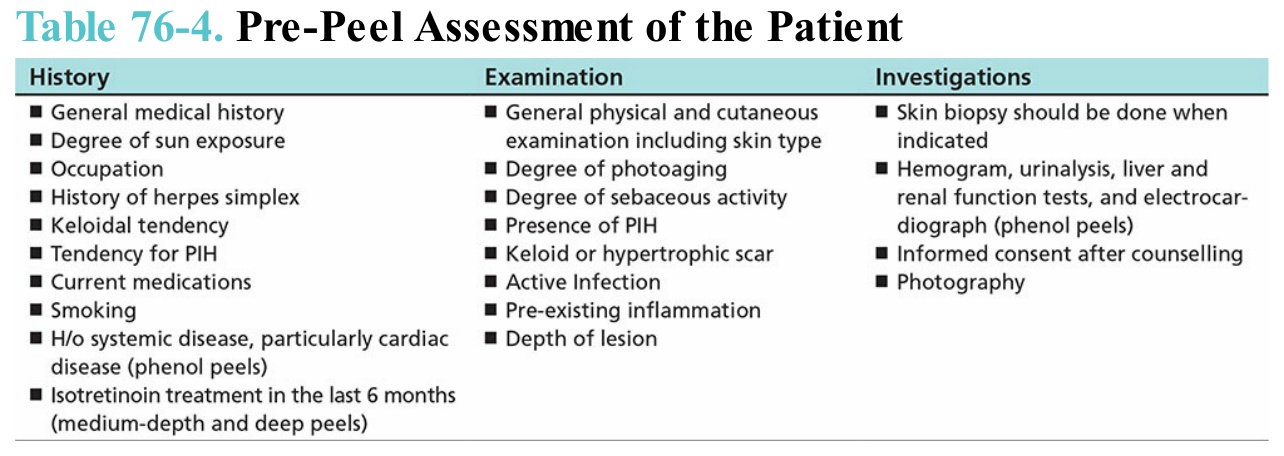
Table 76-4. Pre-Peel Assessment of the Patient
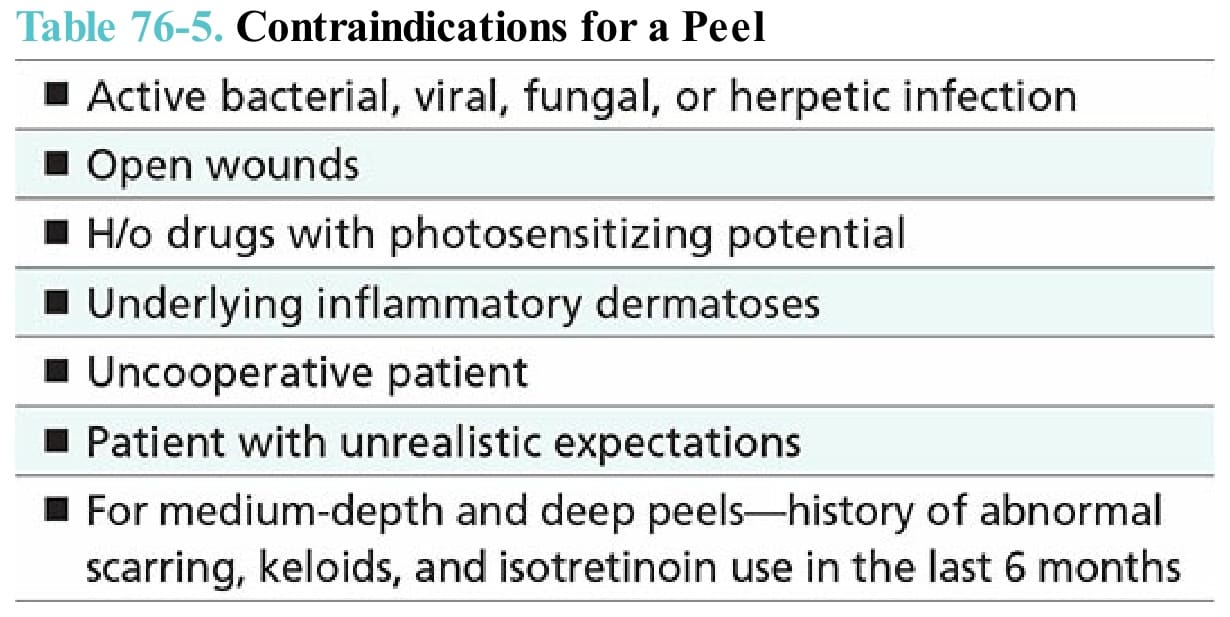
Table 76-5. Contraindications for a Peel
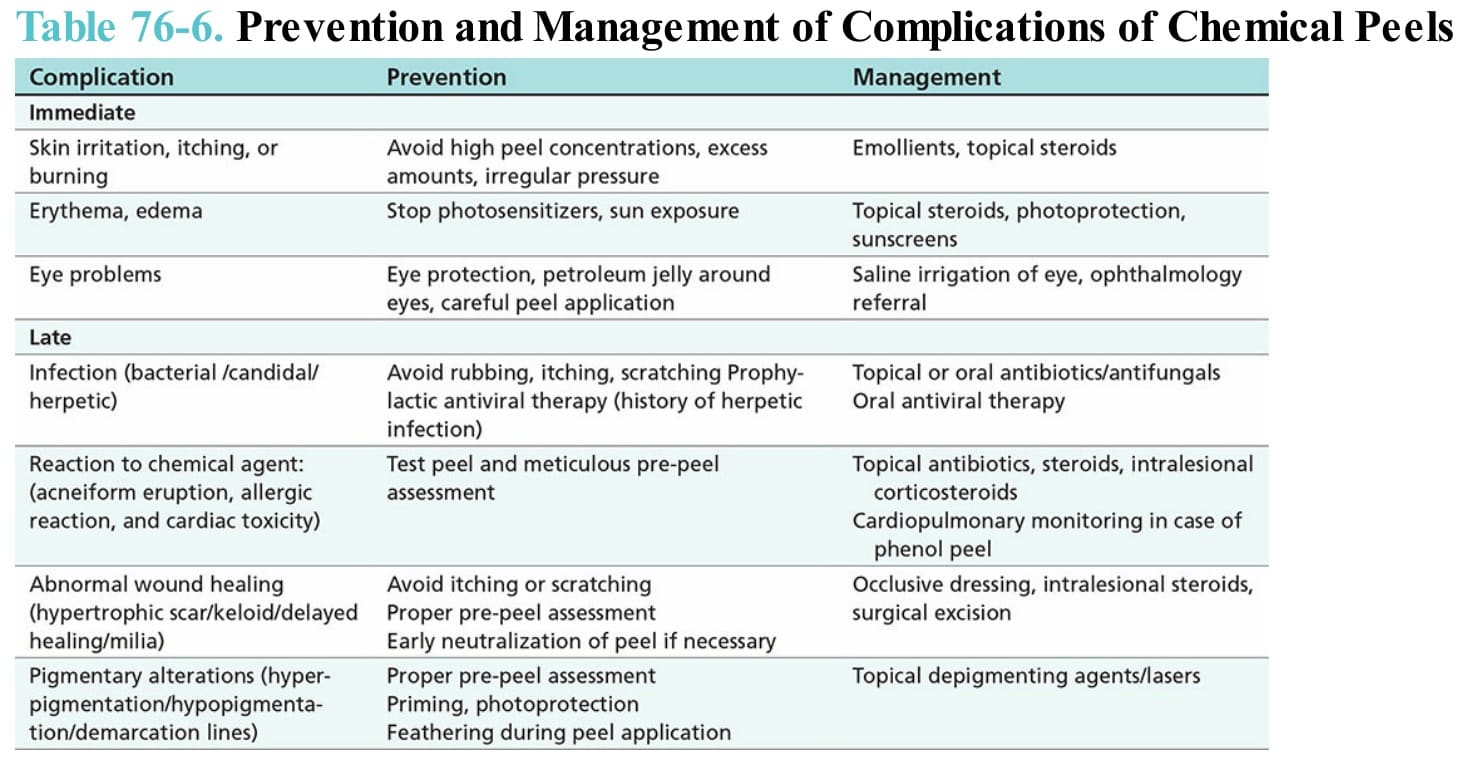
Table 76-6. Prevention and Management of Complications of Chemical Peels