Chemical peels
Chemical peels
Chemical peels form an important component of the therapeutic armamentarium against hypermelanoses (Figs. 76-1 to 76-5). Over the last decade, multiple studies have documented their efficacy in the management of dyschromias. Peels act by creating injury to a specific depth in the skin which then stimulates new epidermal growth and collagen induction, thus improving texture and appearance. These changes, coupled with exfoliation, lead to dispersion as well as even redistribution of melanin in skin, thus reducing the visible pigmentation. Among the superficial, medium, and deep peels, the specific peeling agents should be chosen based on the condition to be treated and the histologic level of pigment in skin (Table 76-2). The most commonly used peels are superficial and medium-depth peels, as the damage is confined to the epidermis and upper dermis. The deeper peels are not suitable for dyschromias in darker skin because of increased chance of pigmentary disturbances including postinflammatory dyspigmentation by the peels. Apart from the peeling agent, various other factors affect the depth of penetration of the peel and thus the results (Table 76-3). Other aspects, such
as skin type, total area of involvement, safety issues, downtime, and patient compliance should also be taken into consideration to maximize results.
A wide range of peels are available with different mechanisms of actions, which can be modulated by altering the concentration of the agents. The most commonly used peels for hypermelanoses are GA, salicylic acid (SA), trichloroacetic acid (TCA), Jessner’s peel, tretinoin peel, as well as newer peels such as lactic acid, mandelic acid, pyruvic acid, kojic acid, β-lipohydroxy acid, and ferulic peel. Combination peels can be used to increase the depth of penetration of the peel and its benefit without increasing its concentration, thus reducing the SE.
Glycolic acid GA belongs to the family of α-hydroxy acids, which are naturally occurring compounds. GA is readily available in many preparations such as solution and gel base. It is used in varying concentrations ranging from 10% to 70%. GA peels should be repeated once every 2 to 4 weeks for a minimum of four to six peels. GA must be neutralized with normal saline or sodium bicarbonate. It is the most commonly used peel for hypermelanosis including melasma and PIH and is safe and effective in all skin phototypes, although caution needs to be exercised in cases of any pre-existing cutaneous inflammation, where penetration could be deeper, resulting in unpredictable results and SE.34

Figure 76-1. A 24-year-old adult female with diffuse slate-gray pigmentation over entire face (lichen planus pigmentosus) and localized brown-black–speckled pigmentation over nose (melasma).
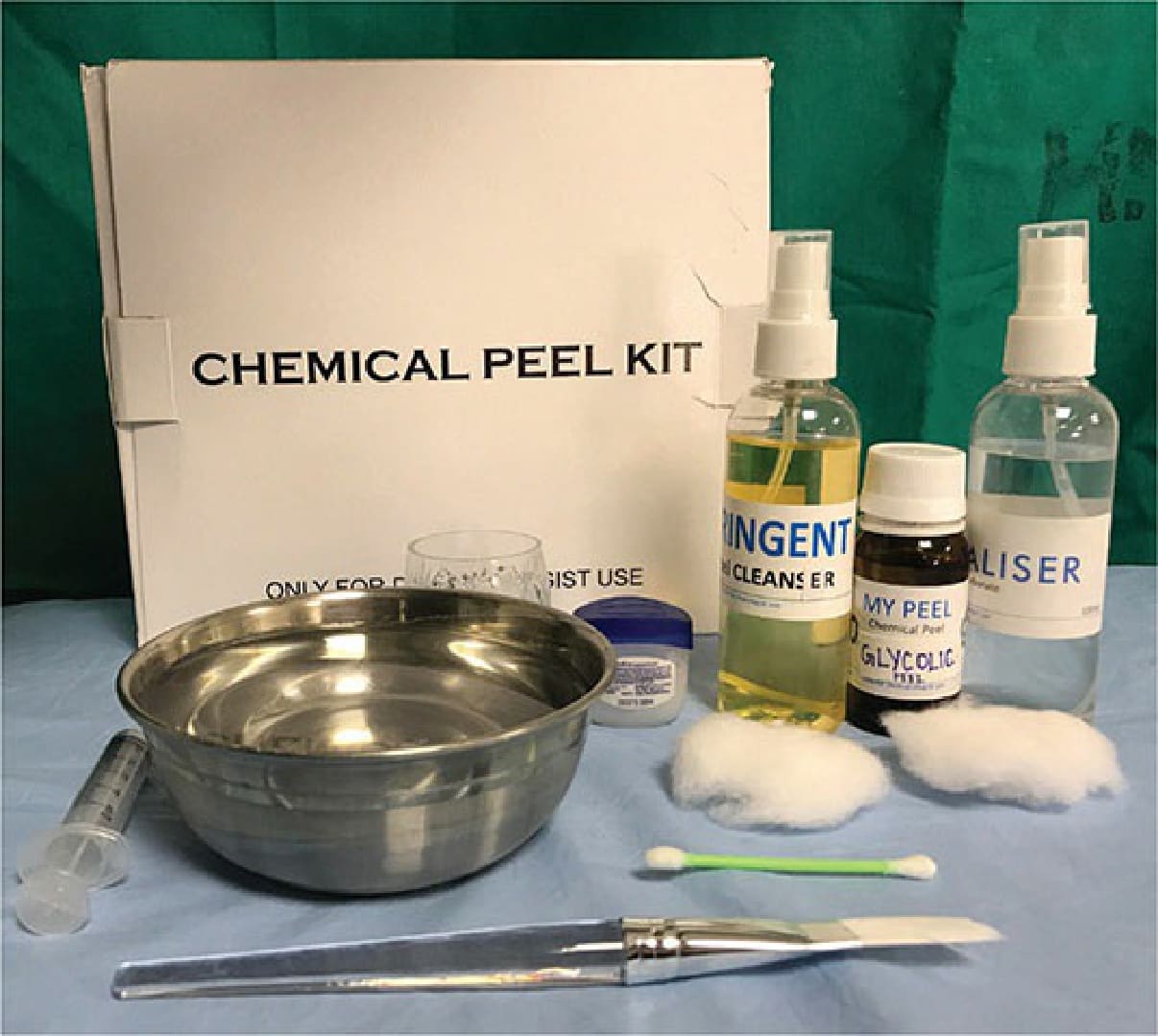
Figure 76-2. Equipment required for peel: The chemical peel along with pre-peel cleanser, post-peel neutralizer, glass peel cup, brush applicator, petrolatum jelly, cotton bud, eye pads, and bowl of water.
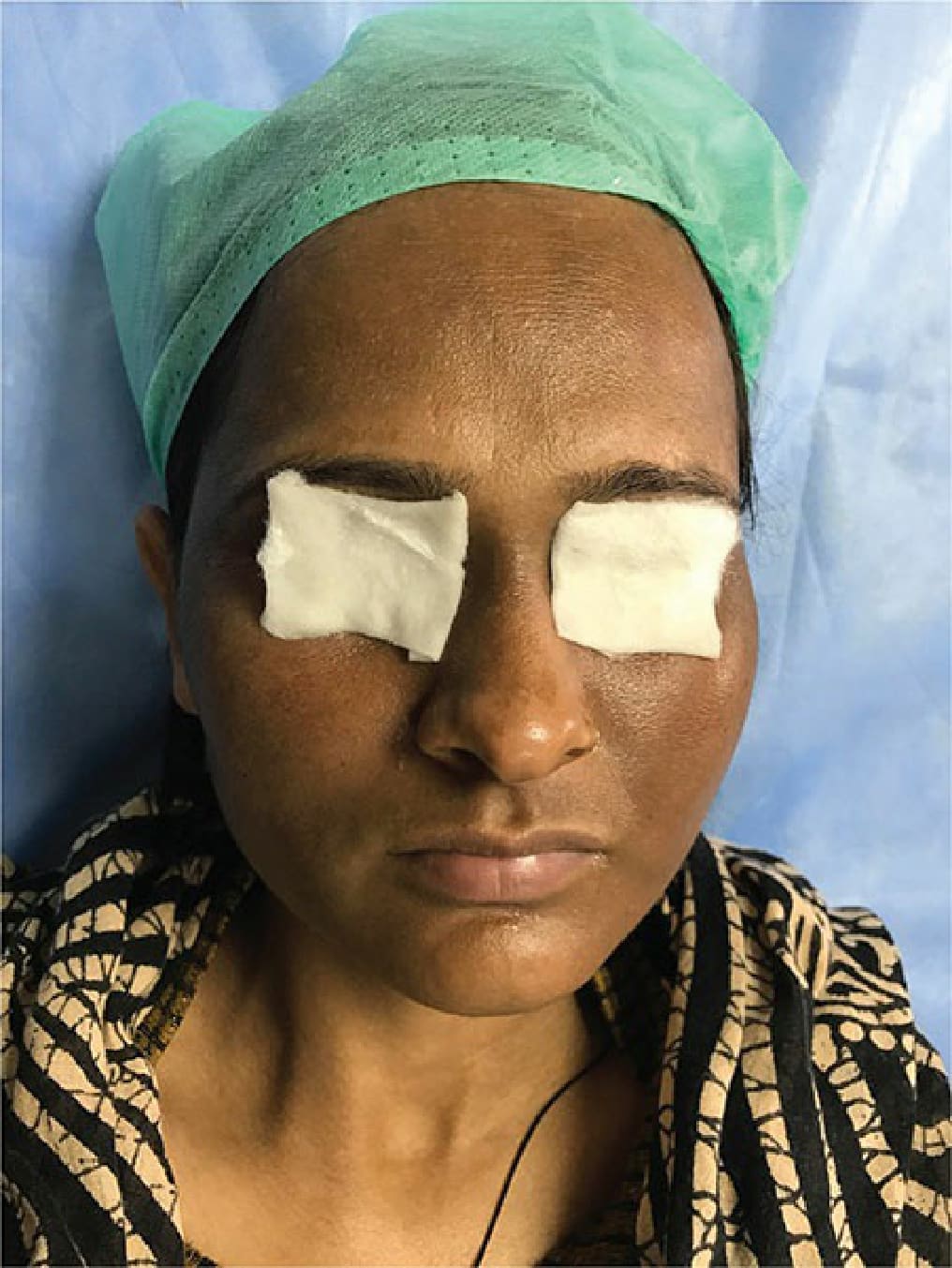
Figure 76-3. Patient preparation: The patient lies down with head elevated to 45 degrees, hair pulled back with a cap, eyes closed and covered with moist eye pads, skin is cleaned, and then degreased with acetone-based cleanser. Sensitive areas like the inner and outer canthus of the eyes, nasolabial folds, and angles of mouth are protected with petroleum jelly.
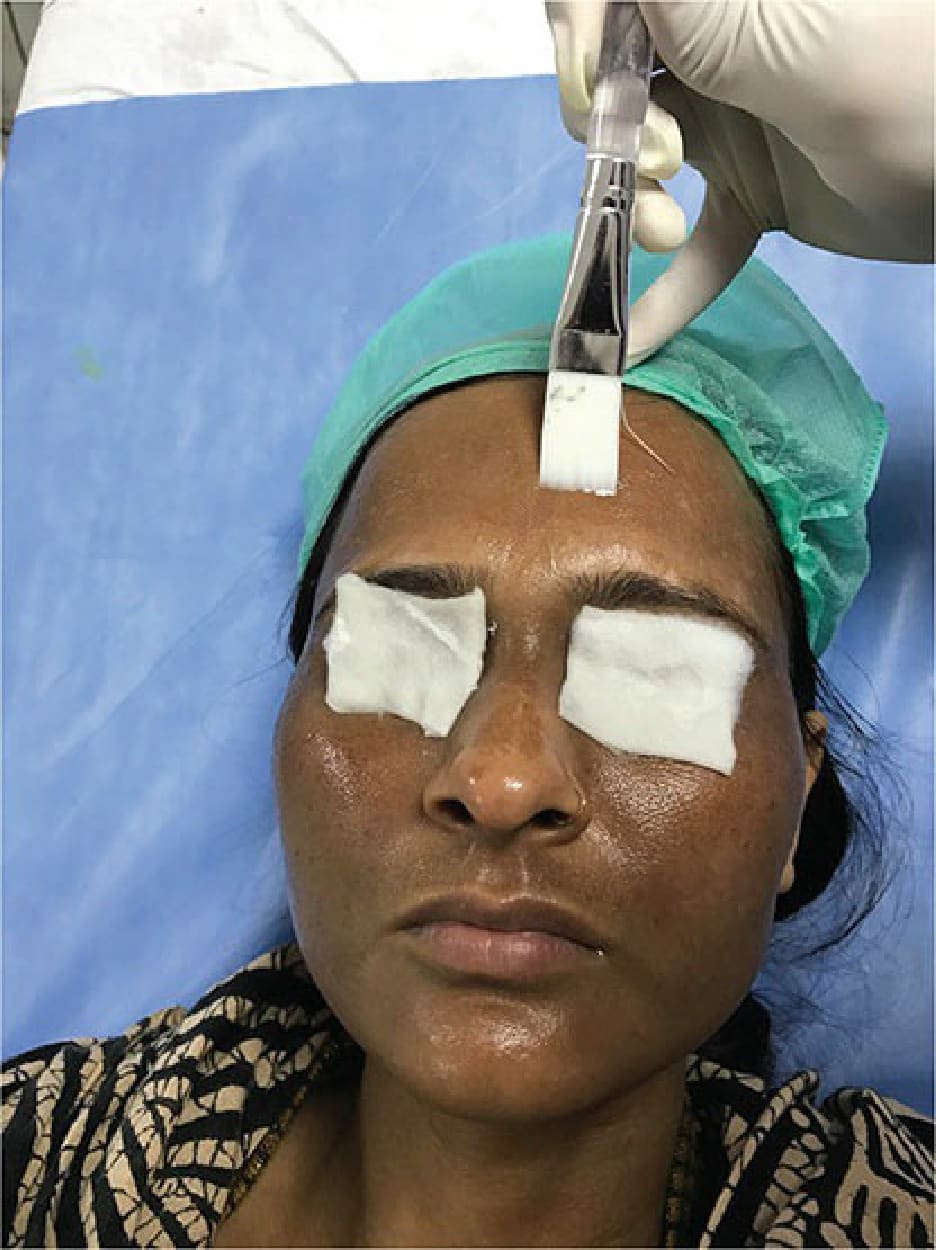
Figure 76-4. Peel application: The peeling agent is applied with a brush applicator on the entire face, beginning from the forehead proceeding to both cheeks, chin, nose, and malar area in that order with care taken to maintain uniform pressure and perform feathering strokes at the edges.
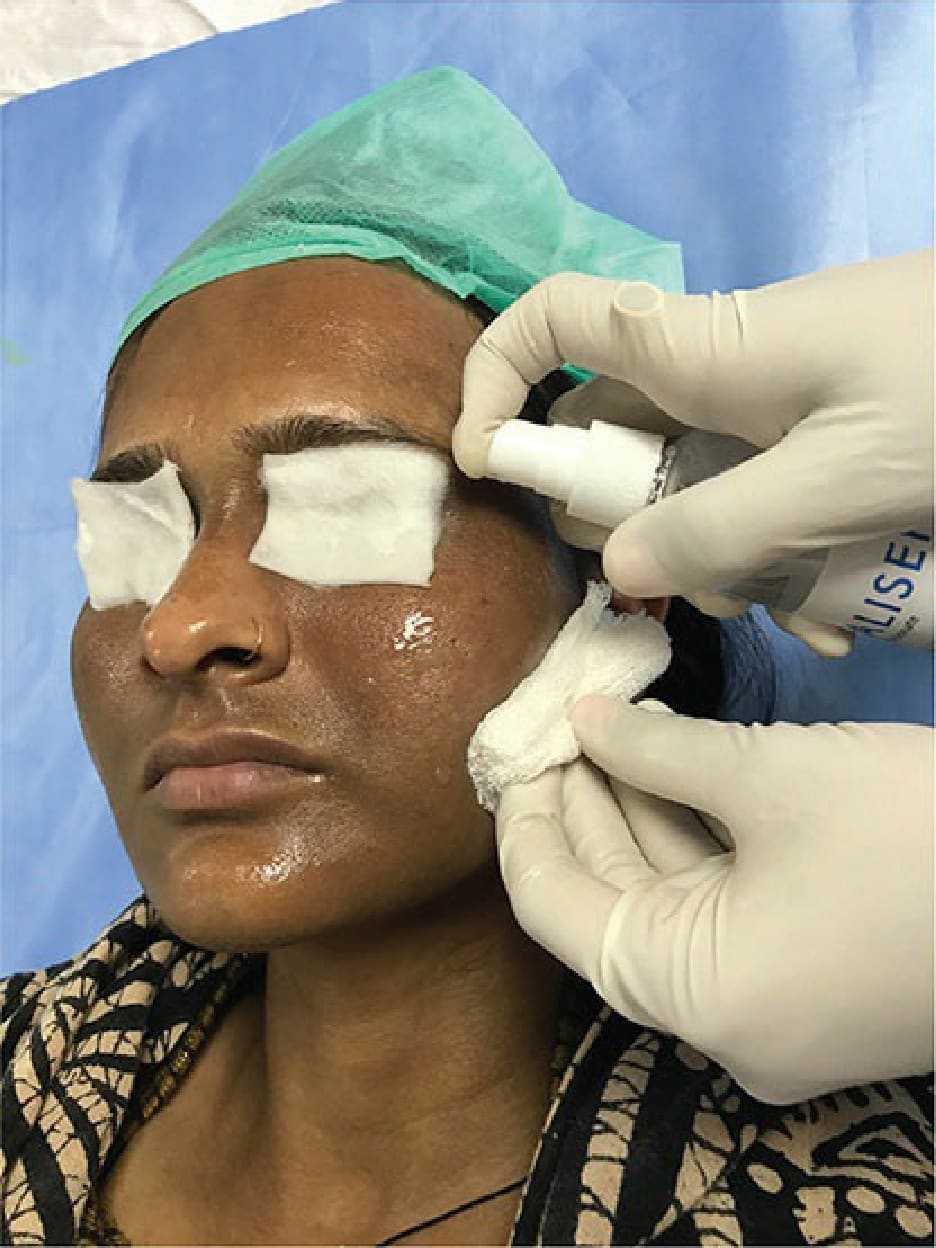
Figure 76-5. Neutralization: The glycolic acid peel is neutralized after the predetermined duration of time with 10% sodium bicarbonate solution and washed off with water. However, if erythema or epidermolysis occurs, the peel must be neutralized immediately, irrespective of the duration.
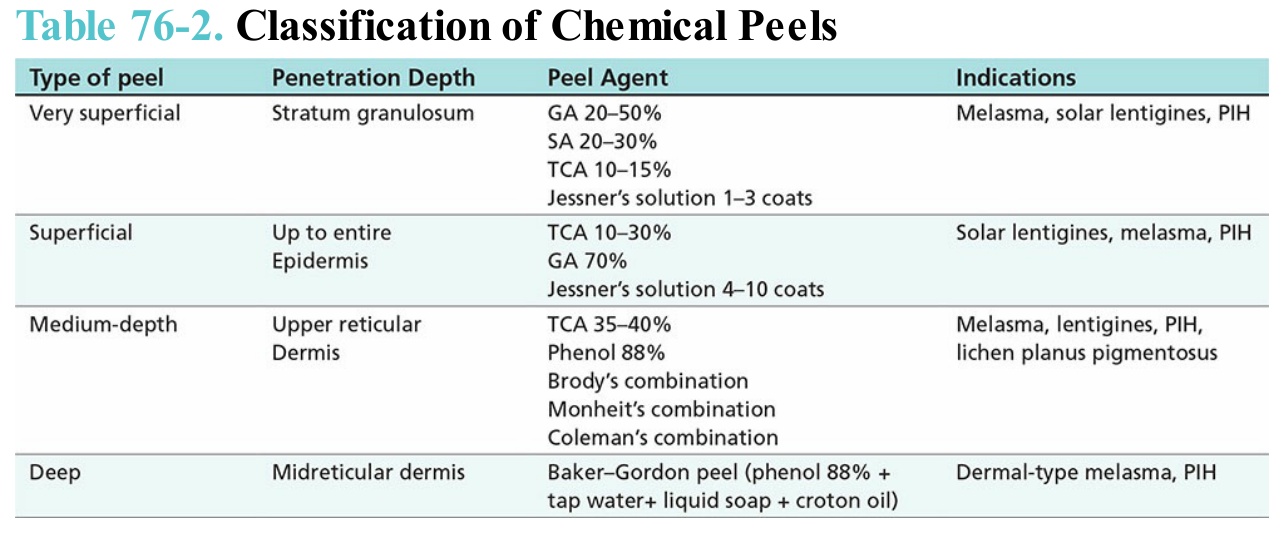
Table 76-2. Classification of Chemical Peels
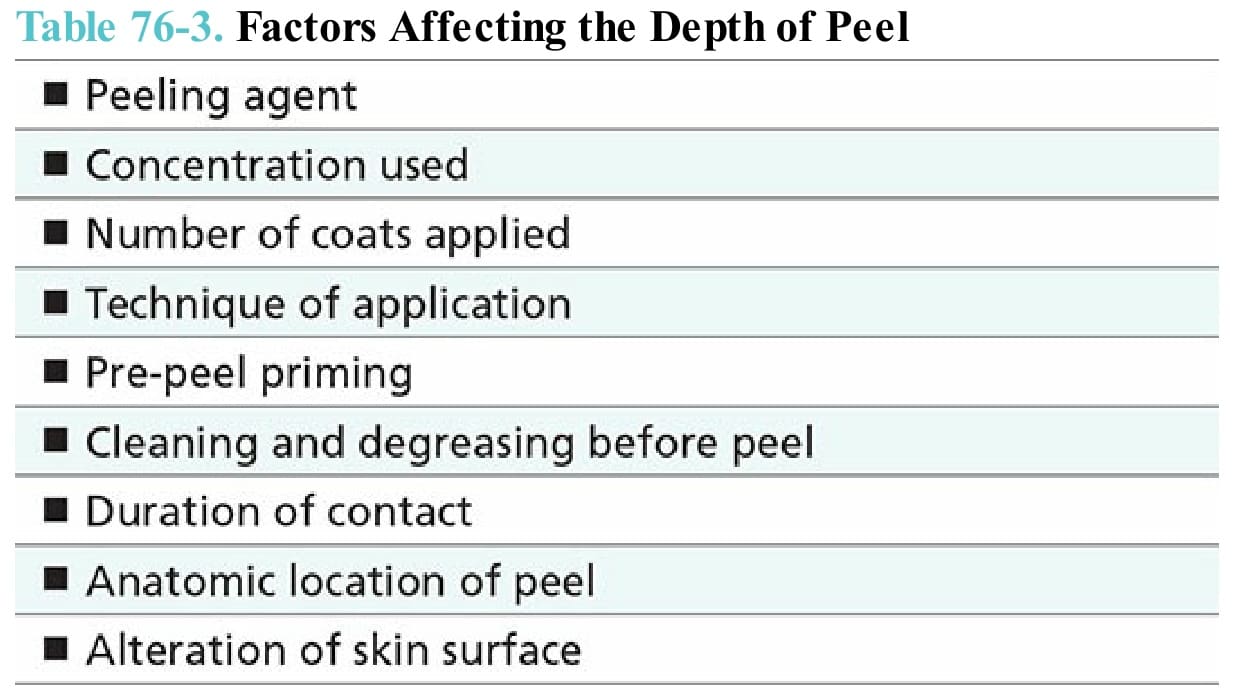
Table 76-3. Factors Affecting the Depth of Peel