Post-Facelift complications
Post-Facelift complications
Hematoma is the most common immediate post-facelift complication and must be
treated as an emergent situation (Fig. 74-19). Small collections can be aspirated, but expanding hematomas can cause airway compromise and flap necrosis.
Other complications include loss of flap perfusion and necrosis, infection, bleeding, nerve damage, poor scarring, and substandard result with resultant skin laxity or excess.
CONCLUSIONS
A well-performed facelift is one of the most powerful aesthetic procedures available to the dermatologic surgeon, and—particularly when coupled with other rejuvenation techniques such as skin resurfacing and blepharoplasty—has the potential to dramatically affect the patient’s quality of life (Figs. 74-20 to 74-27). The power of an outstanding outcome must, however, be weighed against the risks of the procedure, and therefore an exhaustive informed consent process, including the potentially severe consequences of undesirable outcomes, must be undertaken with each patient.
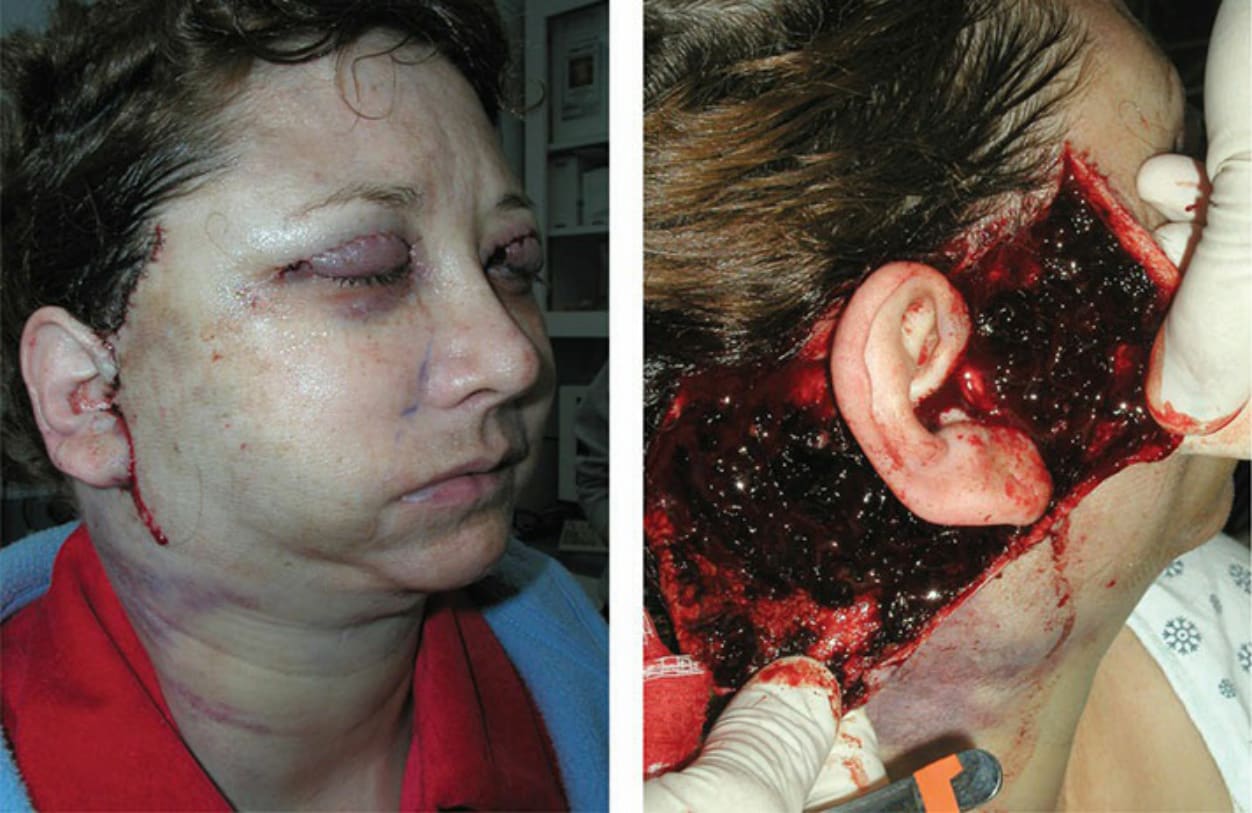
Figure 74-19. This patient is shown 7 hours after her facelift surgery with a right-sided hematoma. The “currant jelly” hematoma is shown after opening the incisions. This must be evacuated and all bleeding controlled.
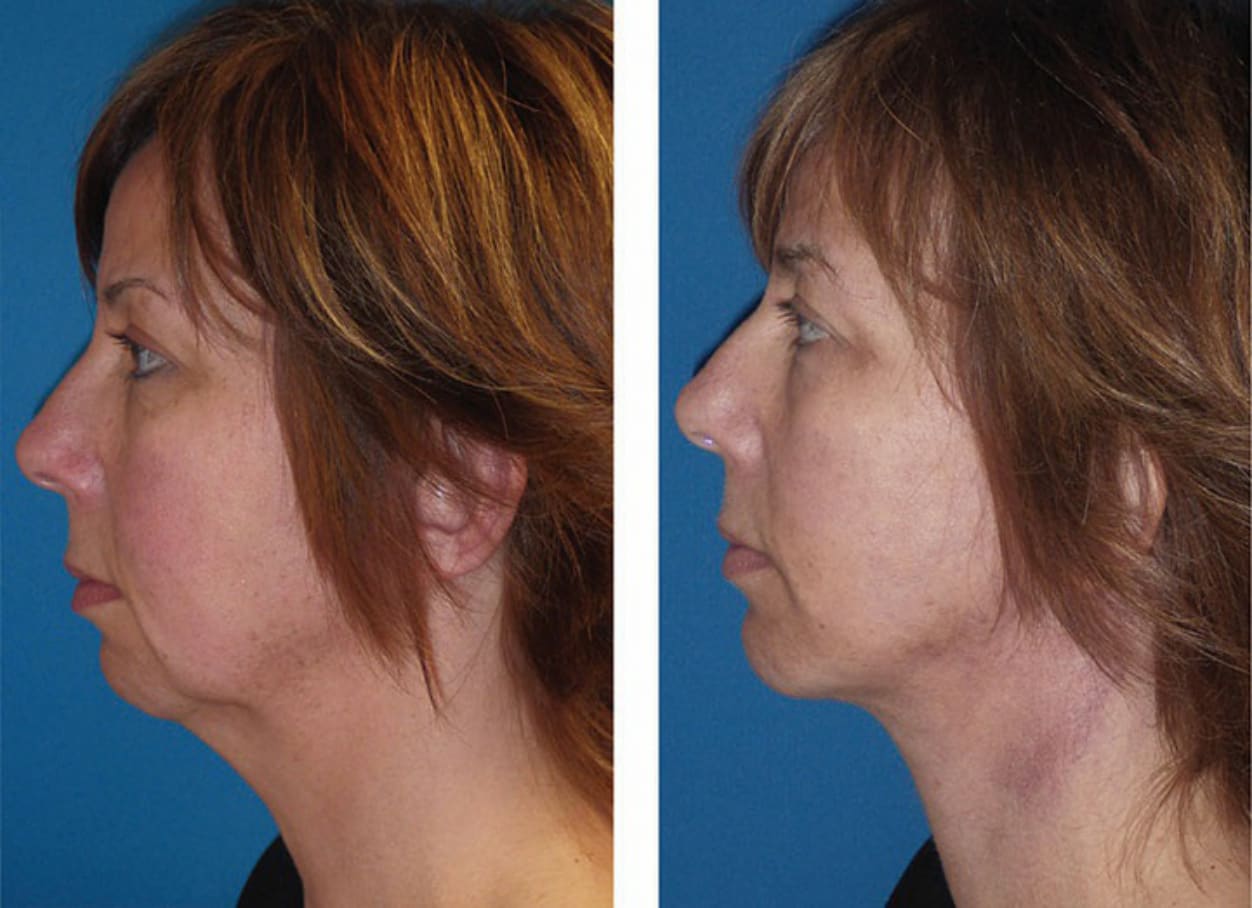
Figure 74-20. This patient is shown 6 weeks after facelift with simultaneous chin implant.
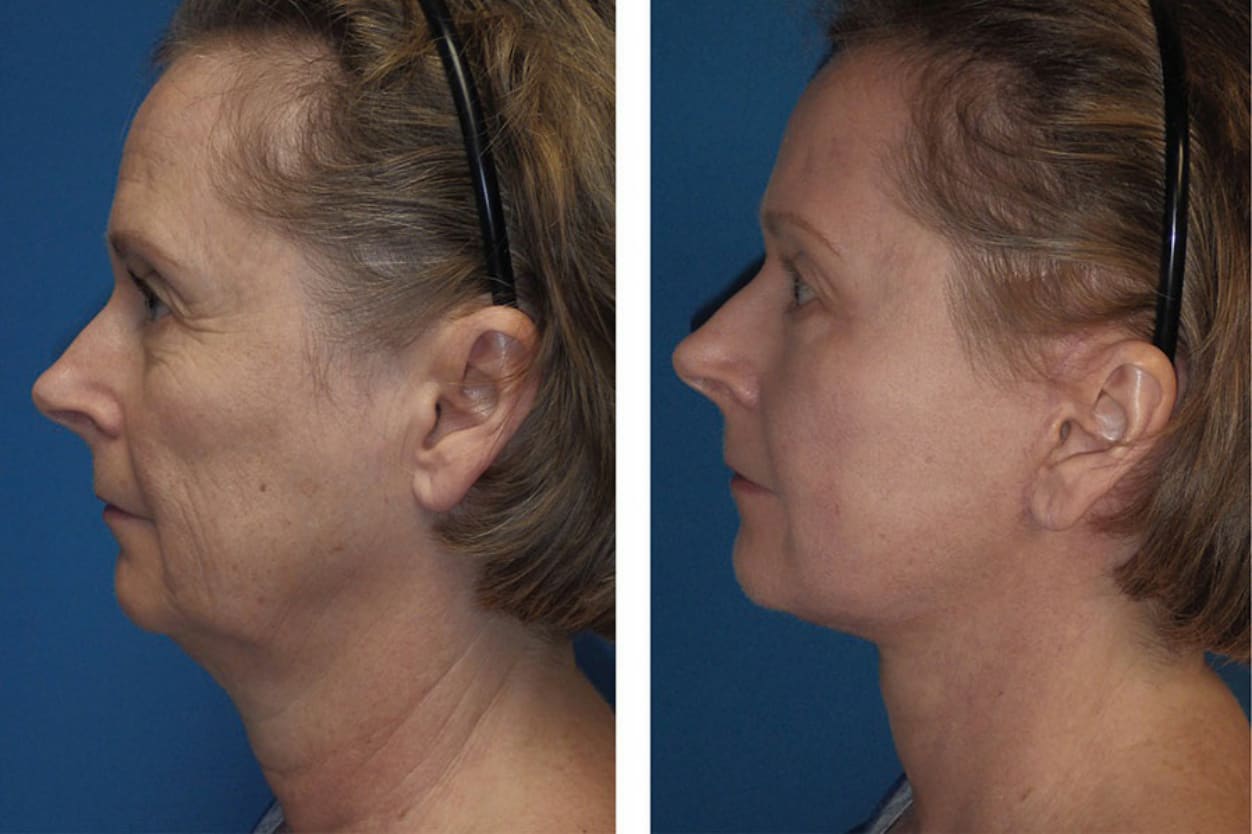
Figure 74-21. This patient is shown 3 months after facelift with simultaneous chin implant and full face laser skin resurfacing.
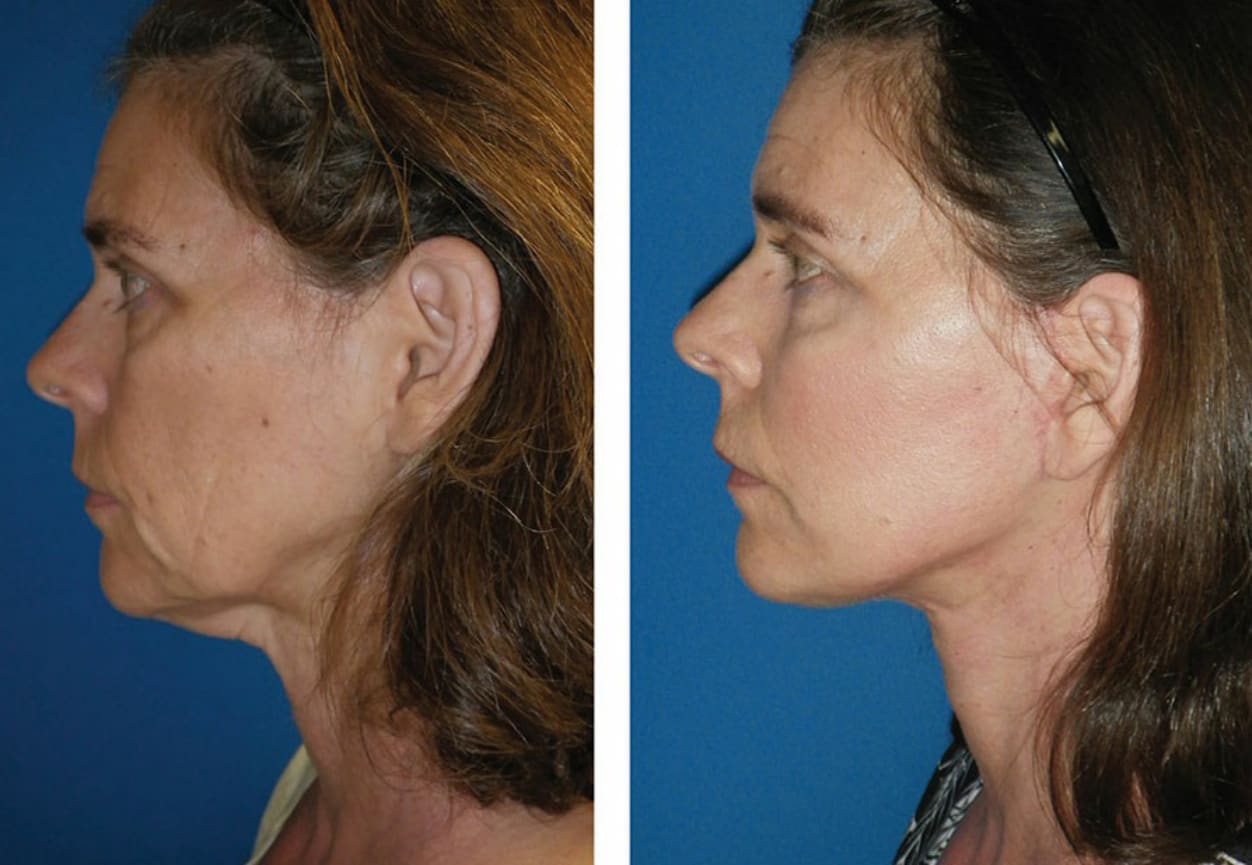
Figure 74-22. This patient is shown 3 months after facelift with simultaneous full face laser skin resurfacing.
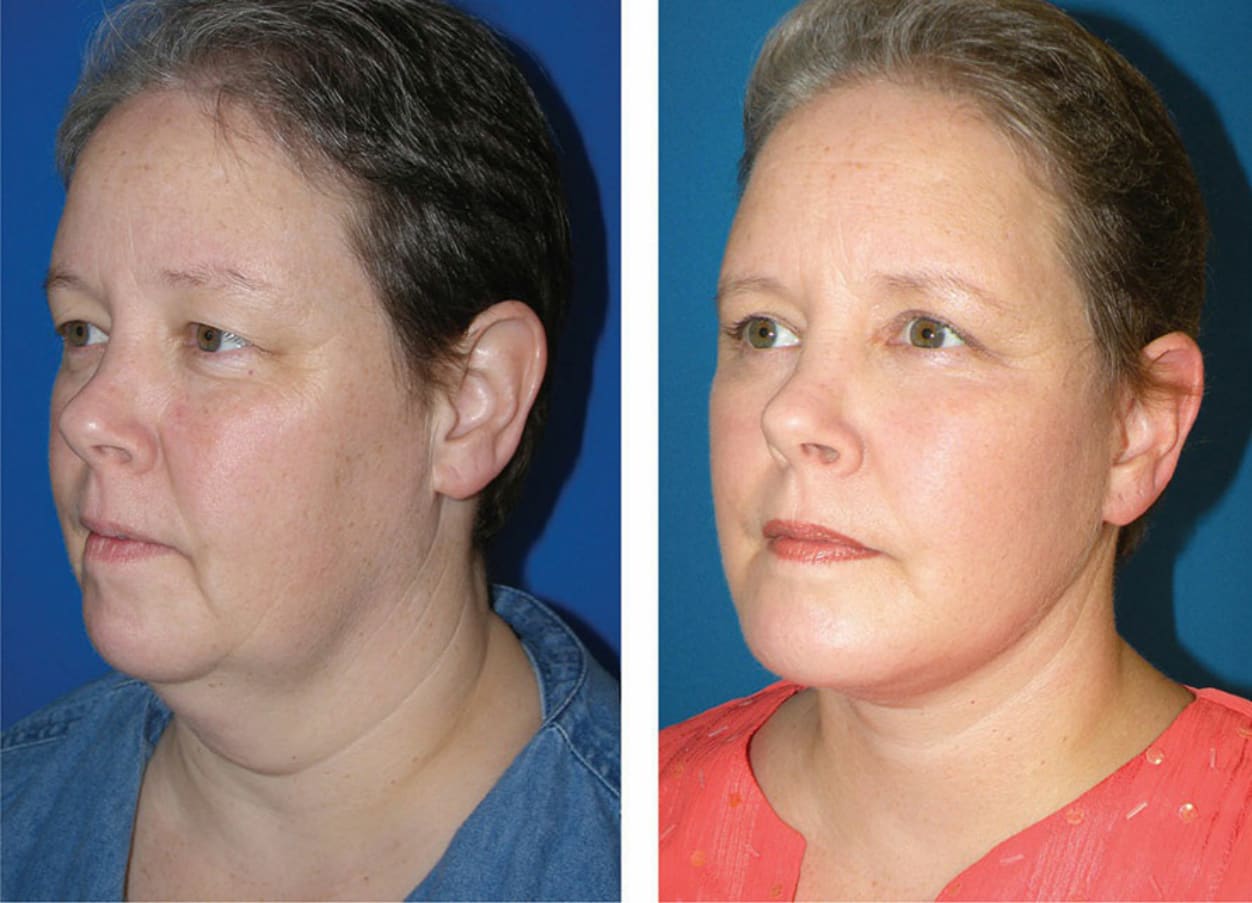
Figure 74-23. This patient is shown 3 months after facelift with simultaneous chin implant.
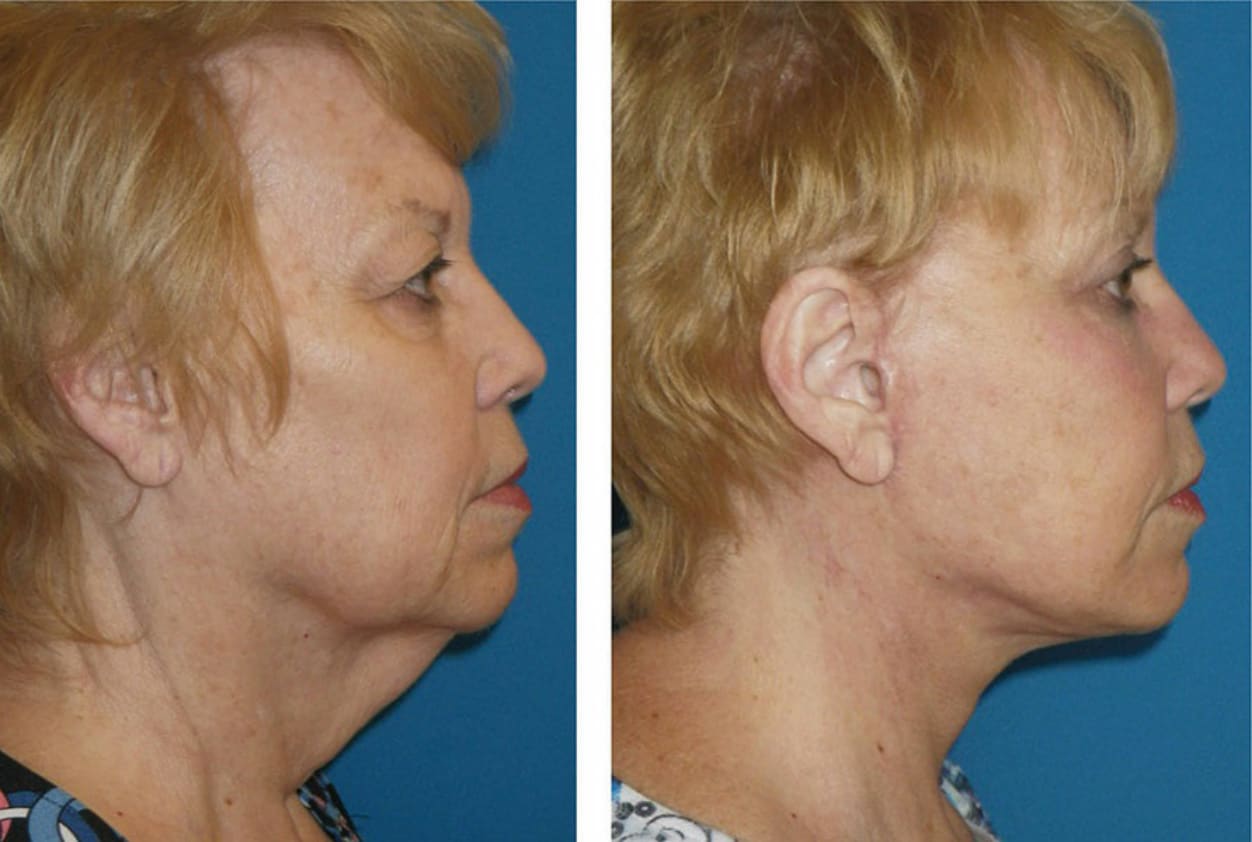
Figure 74-24. This patient presented post bariatric surgery with a 100-lb weight loss and is shown 3 months after facelift.
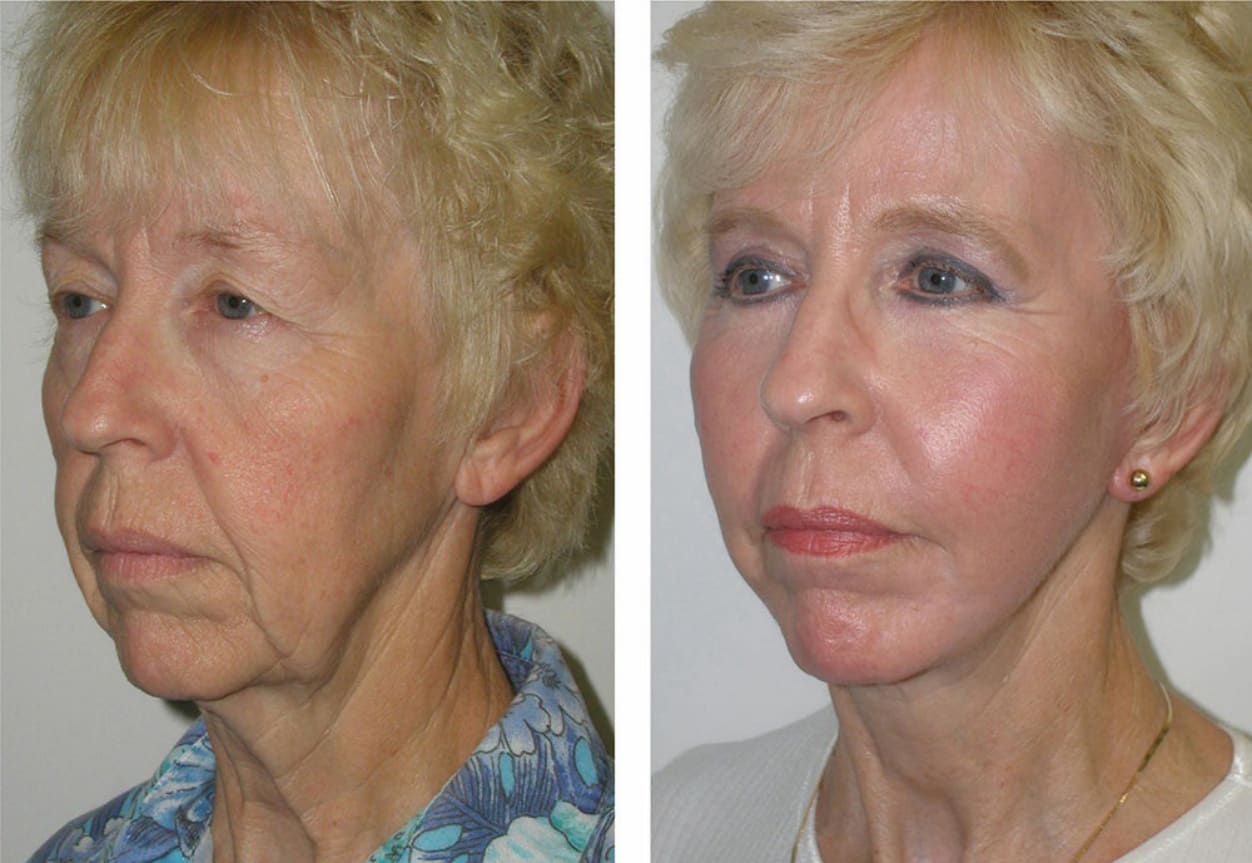
Figure 74-25. The patient illustrates the power of combined rejuvenation procedures. She is shown 3 months after facelift with simultaneous upper and lower blepharoplasty, cheek implants, and laser skin resurfacing.
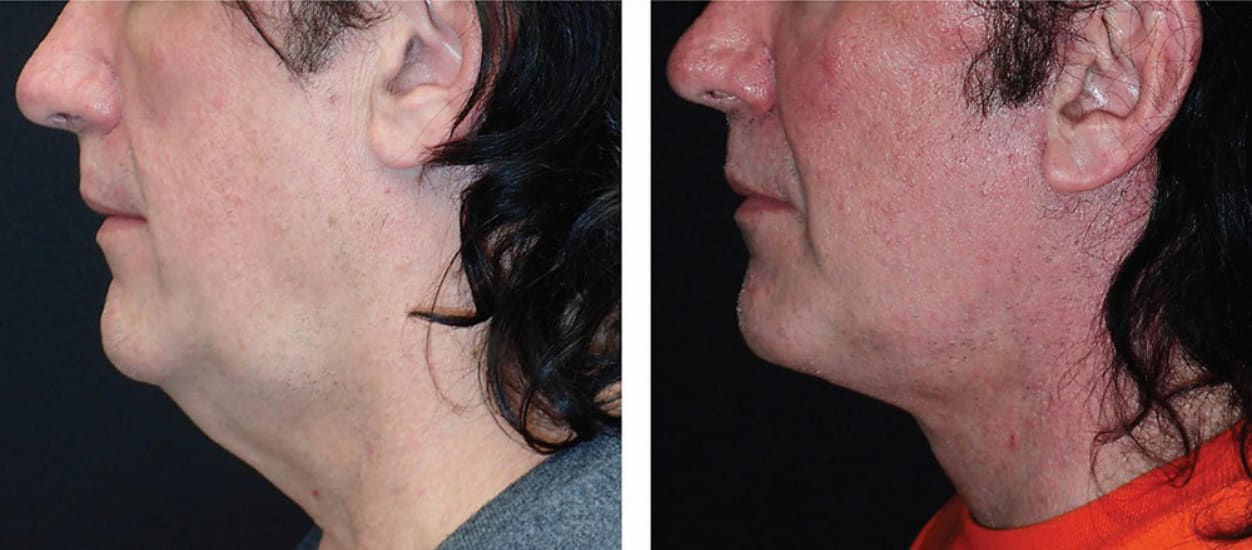
Figure 74-26. The male patient is shown before and 5 months after facelift.
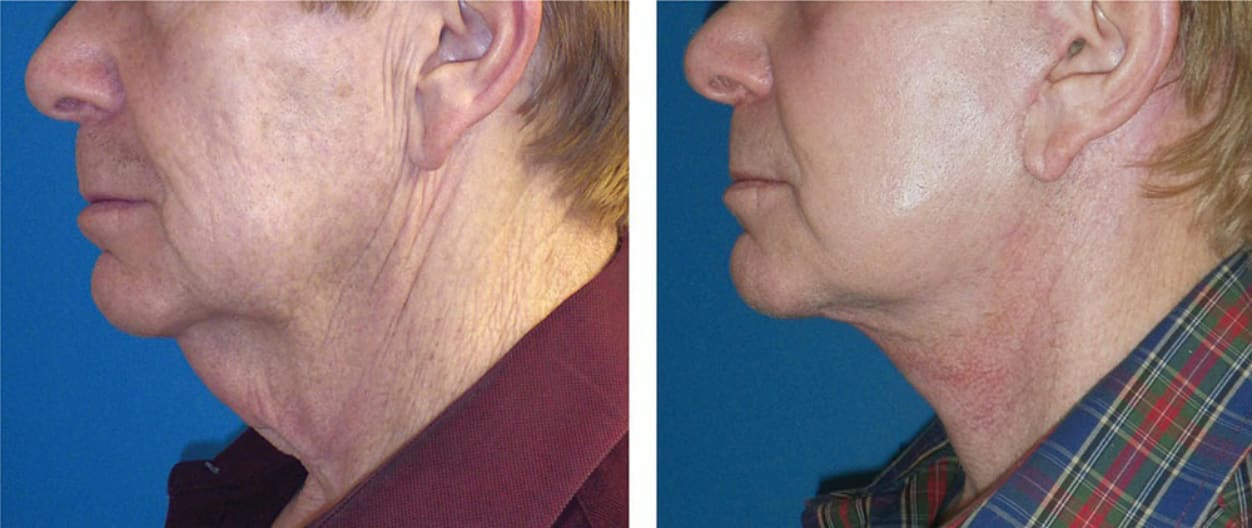
Figure 74-27. The male patient is shown before and 3 months after facelift.