Conjunctival Chemosis
Conjunctival Chemosis
Conjunctival chemosis, or swelling of the conjunctiva, following blepharoplasty, especially lower lid blepharoplasty, can sometimes occur with varying degrees of severity (Fig. 73-48). It is estimated to occur in about 1% of lower lid blepharoplasty cases.159 There are small case series and anecdotal experiences described in the literature, but very few larger retrospective series.160 Although the mechanism is not entirely certain, chemosis likely develops as a result of indirect surgical trauma and/or interruption of lymphatic drainage pathways. It seems to occur more commonly in
blepharoplasty cases where a lateral canthopexy or canthoplasty is performed.160 Patients with pre-existing conjunctivochalasis, or conjunctival laxity, may be predisposed to developing postoperative chemosis.161 Mild chemosis may initiate a cycle that causes poor tear film coverage of the ocular surface, worsening conjunctival dessication, chemosis, worsening distraction of the lid from the globe, and further exacerbation of chemosis.
There are several interventions that can be performed to break this cycle. For postoperative chemosis, topical phenylephrine drops (2.5%), topical steroid drops or ointment and lubrication can lead to resolution. If chemosis is persistent, a 24-hour pressure patch can be used. If chemosis continues to be refractory, a temporary suture tarsorrhaphy may be necessary. If there does not seem to be any associated conjunctival inflammation, needle incision of the conjunctiva can be performed with or without excision or gentle cauterization of excess conjunctiva and Tenon’s capsule. Conjunctival incisions can also be performed to allow drainage of fluid. If chemosis is persistent due to poor eyelid apposition with the globe, blepharoplasty revision surgery may be necessary.162,163
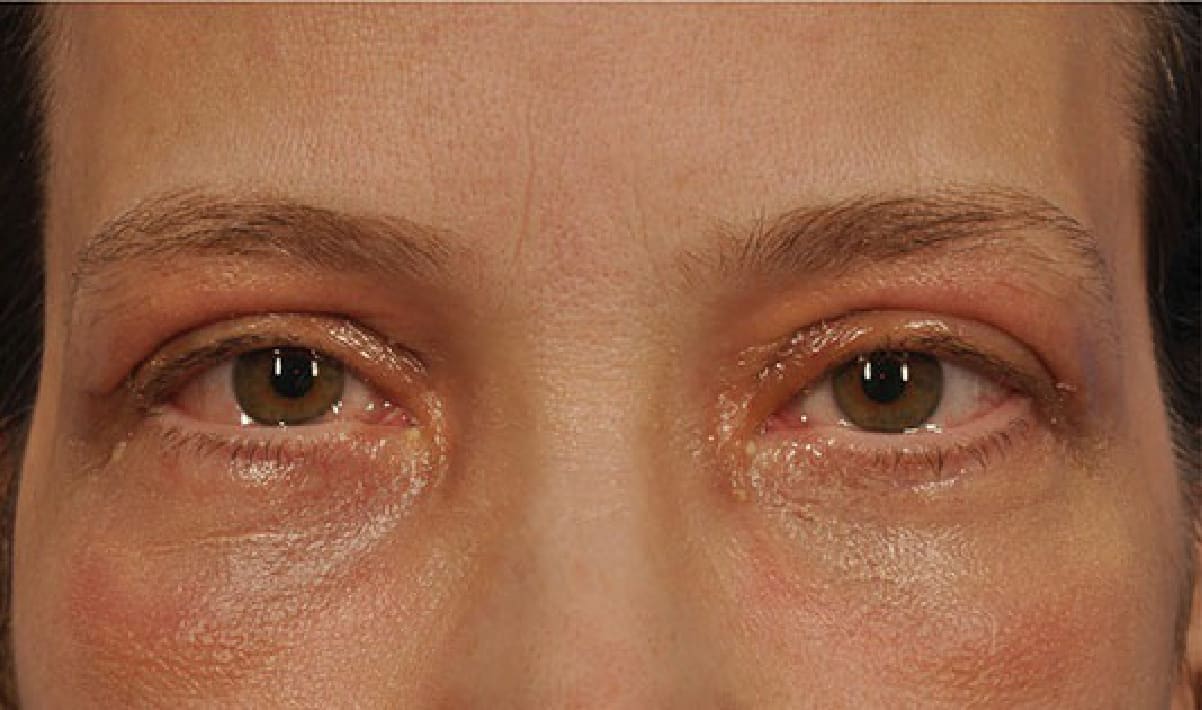
Figure 73-48. Mild postsurgical conjunctival chemosis.