RADIOFREQUENCY
RADIOFREQUENCY
RF devices are an important tool in photofacial resurfacing. Their energy penetrates into the reticular dermis, but unlike lasers, avoids heating the skin surface. Similar to lasers, the energy transferred to the dermis stimulates denaturation of the existing collagen and promotes generation of new, shorter collagen bundles.31 Collagen, which denatures after 10 minutes at 65°C, shrinks by 10%, resulting in tightening of the skin. This is independent of chromophore interaction, and does not interfere with melanin in the epidermis.32 Approved by the FDA in 2008 for atrophic acne scars, RF has shown acne scar improvement in split-face studies.33 A study among 30 Thai subjects with skin types III to V, demonstrated significant acne scar reduction with either 60 mJ/pin or
100/mJ/pin. Subjects were not provided anesthetic, and noted increased procedural pain with the higher energy setting. Neither group developed postinflammatory hyperpigmentation lasting longer than 4 weeks.33 Similar findings have been demonstrated in skin types I to III.34 Another study, of skin types III to IV, found 80% of subjects demonstrating a 50% or greater improvement of acne scars when treated every 4 weeks for 12 weeks with combined microneedling and fractional RF.35
Bipolar RF devices deliver energy to the skin in fractionated thermal zones with a pyramid-shaped output, thereby minimizing heat within the epidermis.6,36 Among those treated with bipolar RF devices, 61%, 35%, 78%, 87%, and 83% of all treated patients have reported a 50% improvement or greater, of their fine lines, pores, tightness, brightness, and overall appearance, respectively, 6 weeks after treatment.37 Some RF devices, called fractional RF systems, create microablative resurfacing of the epidermis, and enhance collagen and elastin production in the dermis.38,39 As with other RF devices, there is stimulation of collagen production with minimal down time.6
Adverse events are typically limited to posttreatment erythema and crusting.40 Microneedling has become increasingly used for treatment in facial resurfacing. Microneedles placed into dermal collagen induce collagen production and the addition of fractional ablative needle RF. 41,42 A study from Egypt among patients with Fitzpatrick skin types III to IV used a monopolar RF device with cryogen unit or cooling (Biorad, Shenzhen GSD Tech Co) with two passes of 150 J to the face (except for 200 J applied to the periorbital, nasolabial, and forehead areas). After 3 months, there was 70% to 75% improvement in skin tightening and 90% to 95% improvement in facial rhytides.42 The researchers observed new collagen synthesis on histologic analysis in those treated. Repeated studies have demonstrated that multiple passes are more beneficial than a single pass at denaturation of collagen. The most common side effect was erythema lasting less than 24 hours and mild edema, which may last up to 1 week.43 RF allows for treatment of patients with any skin type. A study of 15 subjects, skin types V to VI, were treated with 30 to 50 mJ from a fractionated bipolar RF device (e-Matrix, Syneron Medical Inc.).32 After three monthly treatments, greater than 85% of subjects had improved tone, texture, and a decrease in fine lines and wrinkles (Figs. 67-15 to 67-18).32
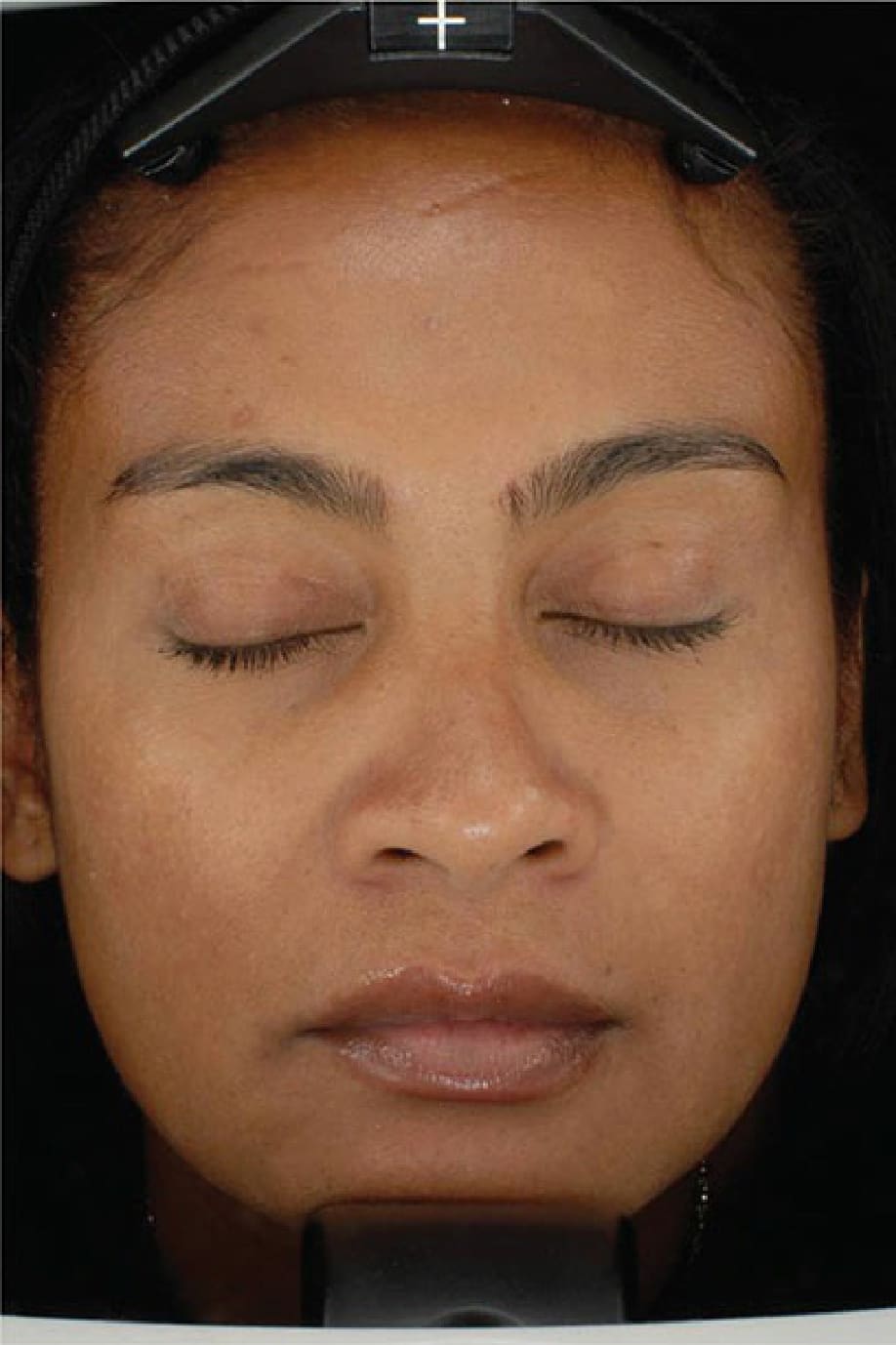
Figure 67-15. Before fractional RF resurfacing.
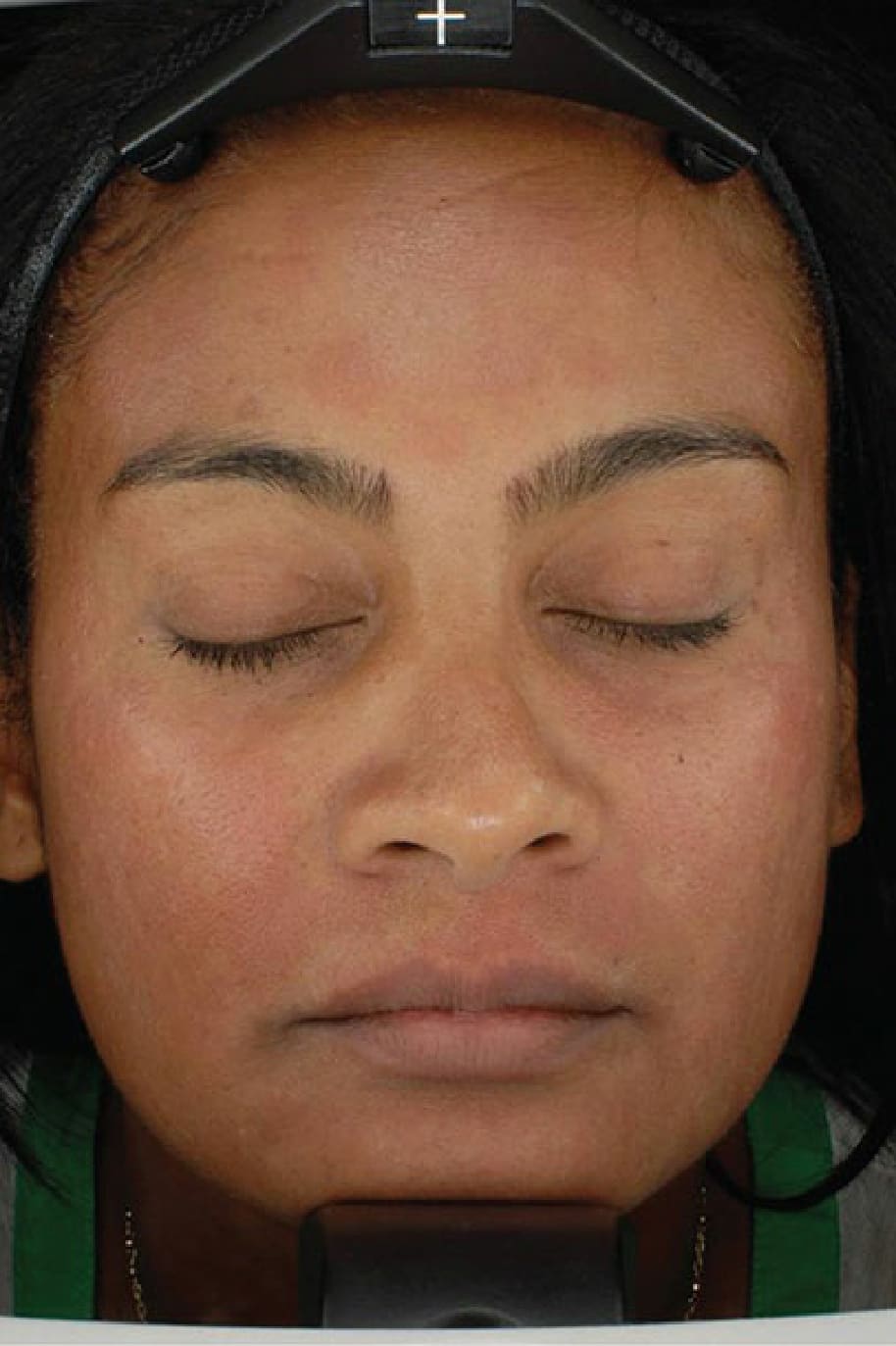
Figure 67-16. Immediately after fractional RF resurfacing. Note minimal erythema in darker-skinned patient.
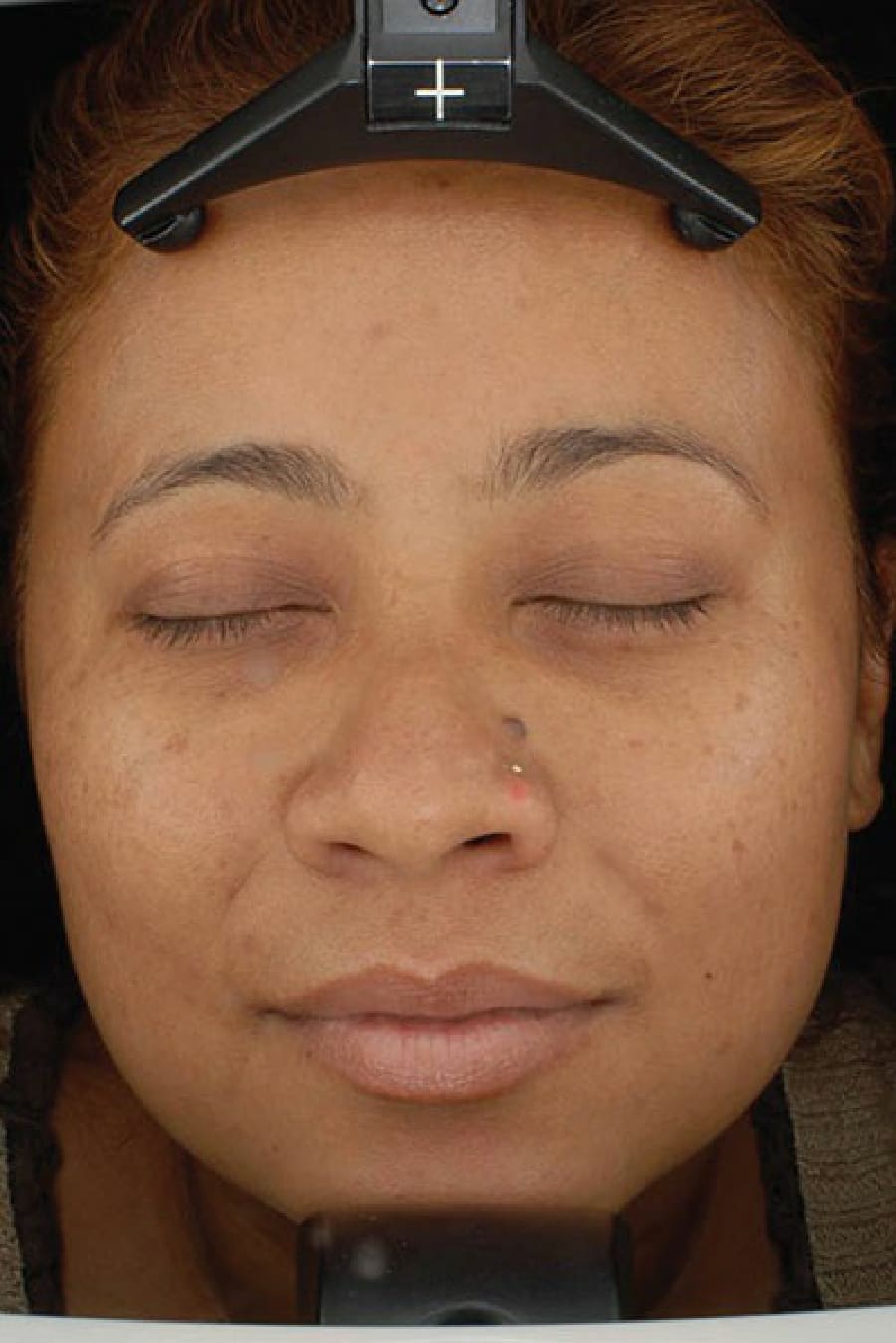
Figure 67-17. Before fractional RF resurfacing.
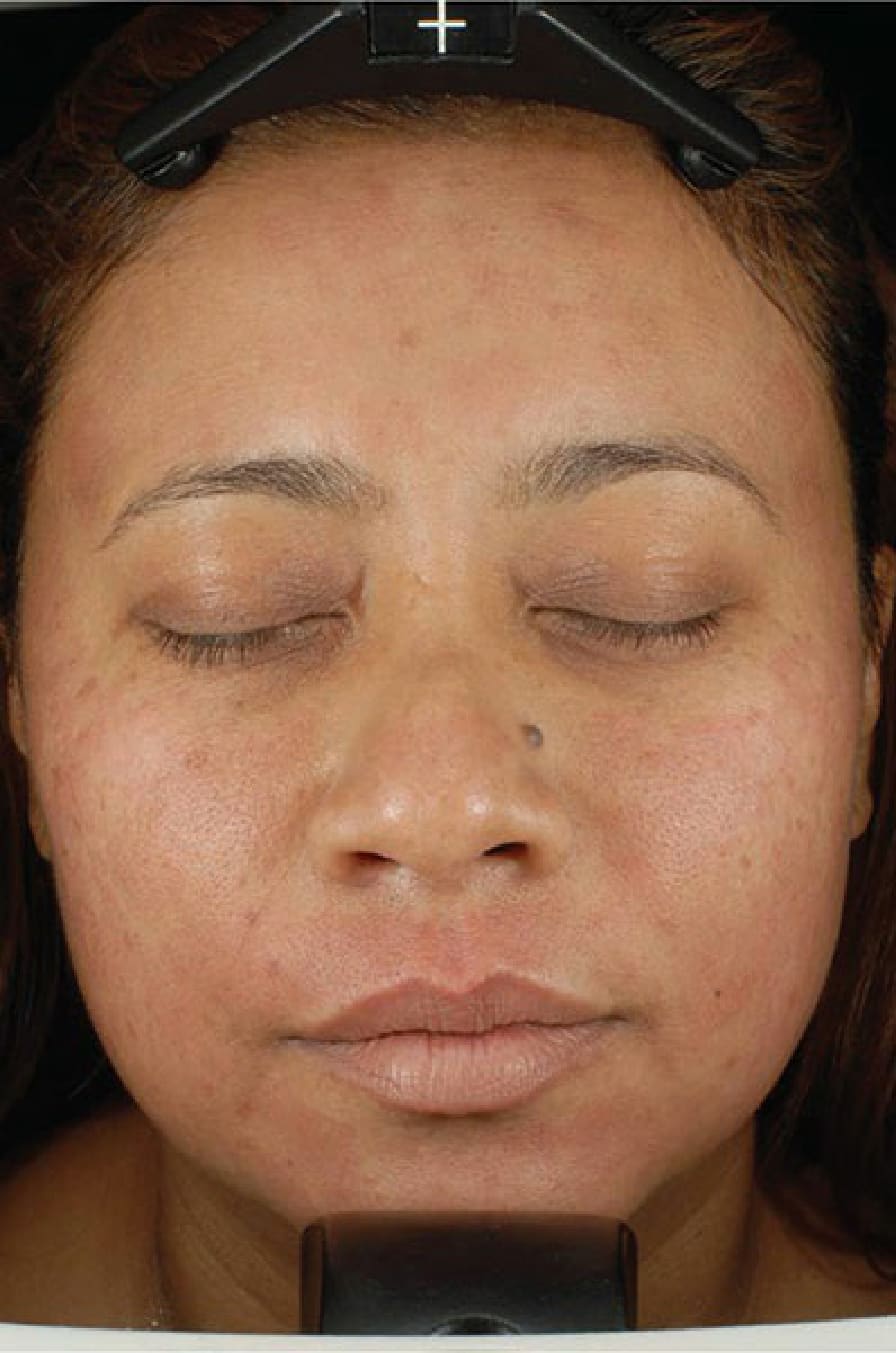
Figure 67-18. Six months after fractional RF resurfacing. Note tightened skin and improved nasolabial folds in darker-skinned patient.