ABLATIVE FRACTIONATED LASERS
ABLATIVE FRACTIONATED LASERS
Use of AFLs began in 2007. These lasers create MTZ while sparing the surrounding tissue, allowing for rapid healing and little downtime. Both nonablative and AFLs are able to penetrate to the same depth, dependent on settings, with the ablative form vaporizing tissue. Most patients develop postprocedural edema and erythema, lasting up to 3 days.1 Studies have demonstrated significant improvement of acne scars from both CO2 and Er:YAG AFL devices (Figs. 67-7 to 67-14).16
Ablative fractional CO2 has successfully been employed in the treatment of smooth elevated surgical scars in patients with skin types I to IV.16,17 Ciocon et al.18 performed a split-face trial comparing efficacy, efficiency, and tolerability between a device with a stamping handpiece (UltraPulse Encore Deep FX, Lumenis) and a device with a rolling handpiece (Fraxel repair, Solta Medical). Results demonstrated equal efficacy, but the rolling handpiece was reported to produce less pain and be more efficient for the operator.18
In another study, Korean patients with skin types III to IV were treated with both an 2,940 nm Er:YAG (Matrixell, Medro) with 10 to 20 passes per lesion at 2.5 to 3.0 J for 3- to 4-week intervals for a total of two to seven treatments, or alternatively treated with 10,600 nm CO2 (eCO2, Lutronic) at 40 to 60 mJ with 150 spots/cm2 and three to five passes in static mode for a total of one to nine treatments every 4 to 8 weeks.19 Among the AFLs tested, Er:YAG improved the scars an average of 28.2% and the CO2 improved scars by an average of 49.8%.19 Adjuvant therapies such as the addition of autologous platelet-rich plasma have been studied, but have not been shown to improve resurfacing when used in conjunction with CO2 AFL.20
Both CO2 and Er:YAG lasers are effective at ablative tissue resurfacing and require a similar re-epithelialization time of 8 to 14 days.21,22 In addition to downtime from reepithelialization, there may be associated psychological distress resulting from treatment-area erythema. Er:YAG lasers produce energy at a wavelength of 2,940 nm, with 10 times more water absorption than CO2 lasers. This allows a reduction in thermal damage, correlating to a reduction in scarring, while maintaining high superficial tissue ablation. In contrast, the efficacy of the CO2 laser in the treatment of deep rhytides, resulting from its production of deeper coagulation with fewer passes, is superior to the Er:YAG.22
The erbium:yttrium scandium gallium garnet (Er:YSGG), a 2,790-nm mid-infrared laser, originally tested in the 1990s,23 is between the CO2 and Er:YAG.24 The Er:YSGG laser destroys the epidermis 10 to 30 µm in depth and coagulates the epidermis with heat. The Er:YSGG has a tissue absorption coefficient five times greater than CO2 but one-third that of Er:YAG, thus producing greater thermal damage and neocollagenesis and elastinogenesis in the proliferative stage of wound healing than an Er:YAG laser, but its limited depth of thermal injury produces less postoperative pain compared to a 10,600-nm CO2 laser.24,25 The remodeling phase that follows the proliferative stage results in a tighter dermis and removal of epidermal wrinkles.26 The Er:YSGG laser has successfully been tested for scar treatment, pore treatment, wrinkle reduction, and skin
tone improvement.26 In a single-blinded trial of 10 subjects with skin types II to III, a two-pass facial treatment, first at 226 J/cm2 and then at 283 J/cm2, at a total density of 16% to 24%, demonstrated moderate or greater improvement among 60% of subjects’ perioral wrinkles and 50% of subjects’ full-face wrinkles and fine lines.27 There was persistent erythema in 20% of patients at the 6-month mark, but no serious adverse events.27 In a split-face trial of 920 µb/cm2 fractional ablative Er:YSGG and Er:YAG, Er:YAG demonstrated greater periorbital wrinkle reduction with fewer required passes.28 With regard to perioral wrinkle reduction, the Er:YSGG demonstrated no improvement after a single pass that was greater than 2 on a 0 to 9 scale, while the Er:YAG, using a one-to-two stacked pass technique, demonstrated a 57% improvement greater than 2, on a 0 to 9 wrinkle scale.28
The benefit of the fractional ablative treatment is rapid healing after treatments, but it is important to minimize the number of passes, as if the MTZs merge or overlap then the procedure is similar to an ablative resurfacing. In a blinded study by Munavalli et al.,25 subjects were treated with an Er:YSGG laser with combined ablative and fractional ablative capabilities for study of treatment of superficial and deep skin changes from photoaging. Among 10 enlisted subjects, limited to skin types I to III, 80% of patients were rated as having a moderate to very significant improvement of their wrinkles and overall photoaging at 6-month postprocedure.25 An 11-patient 6-week follow-up study of the Er:YSGG laser found 56% of patients had an improvement between 26% and 75% in dyschromia and 18% had improvement in that range of wrinkles.29 No patient had greater than 51% improvement in their overall appearance 6 weeks after Er:YSGG laser.29 The YSGG results in minimal downtime, 5 days of erythema at treatment sites, and a 50% to 89% reduction in acne scars in 70% of Fitzpatrick skin type IV to V patients.30
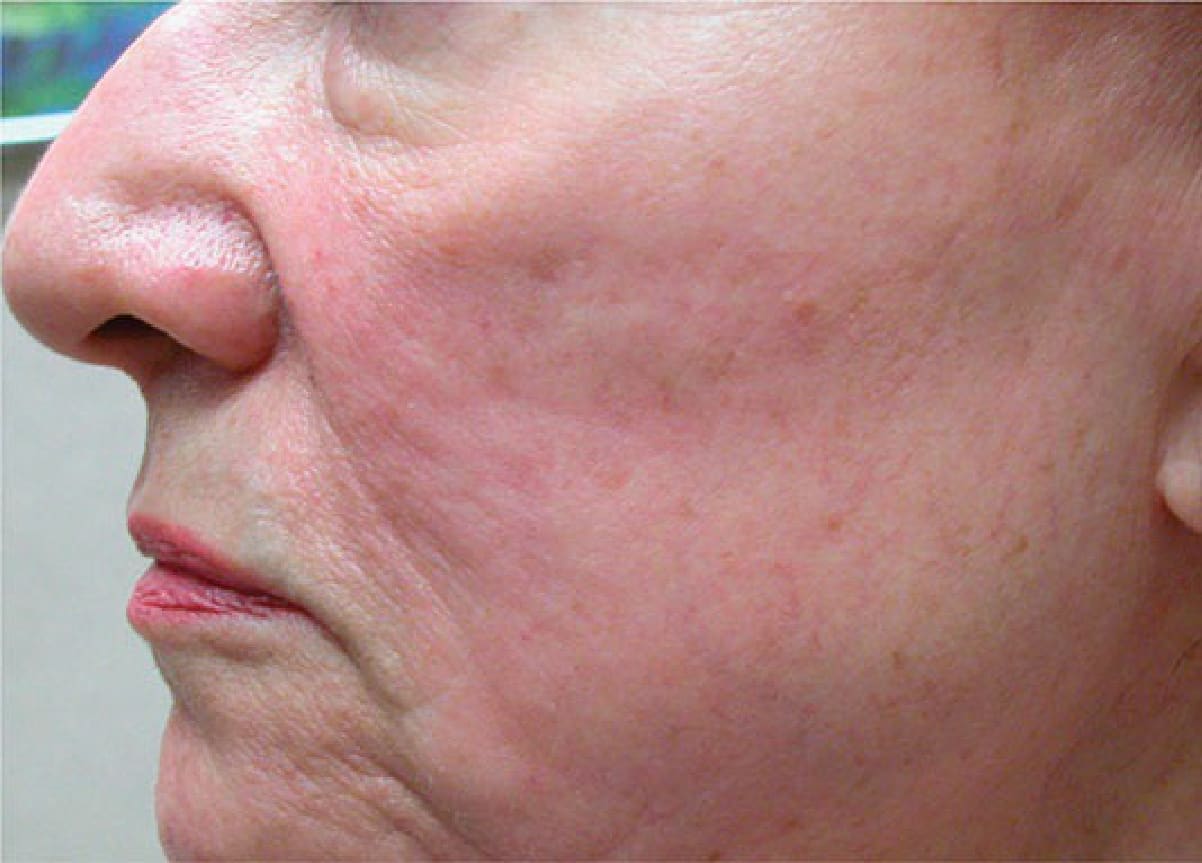
Figure 67-3. Before nonablative ablative fractional resurfacing.
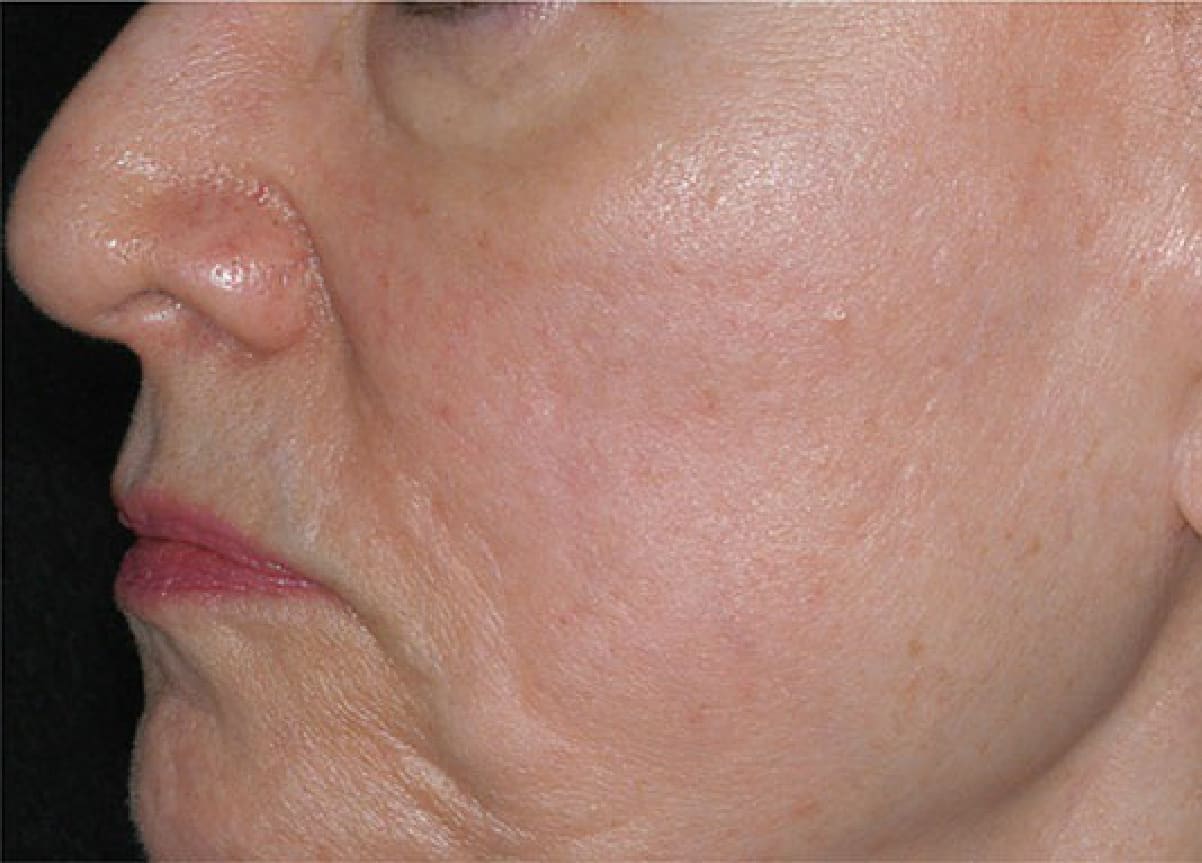
Figure 67-4. Six months after four sessions of nonablative fractional resurfacing.
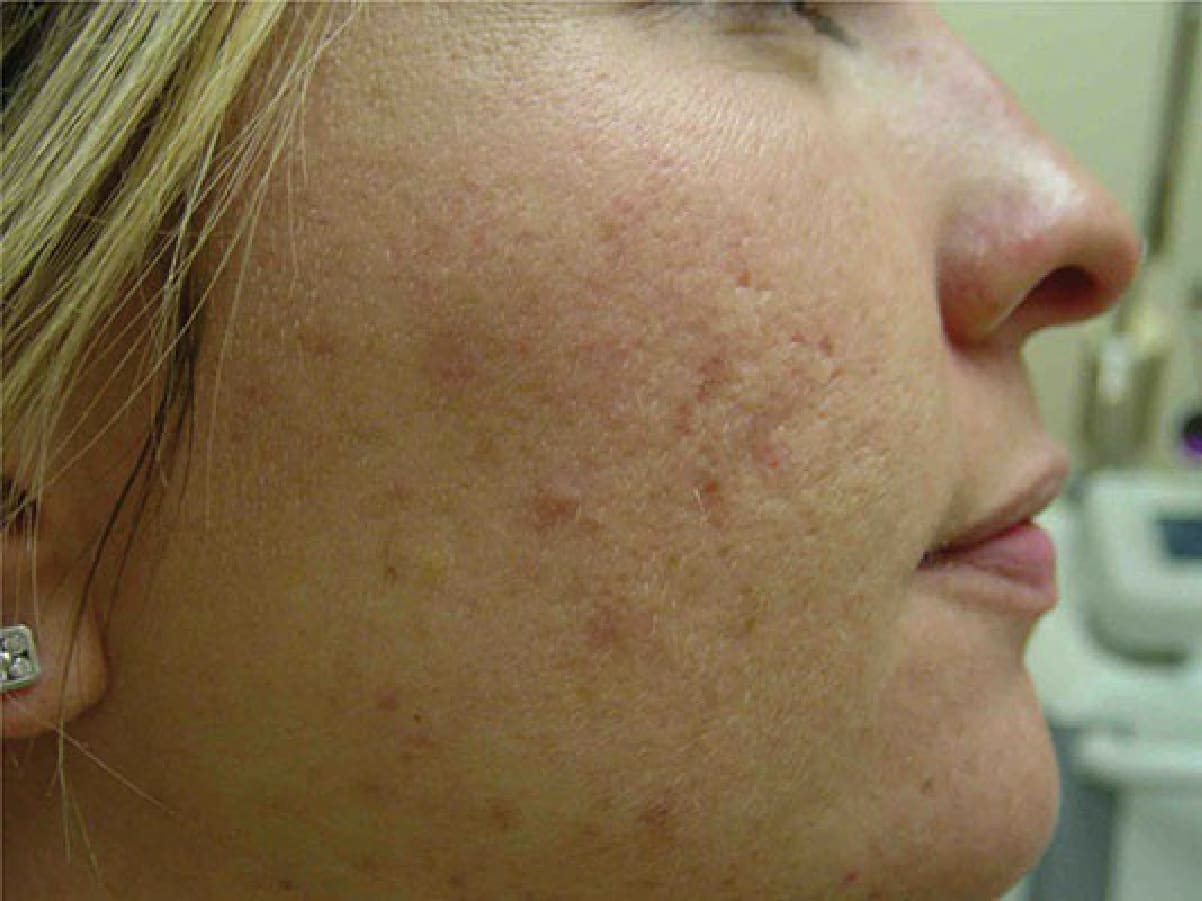
Figure 67-5. Before nonablative ablative fractional resurfacing.
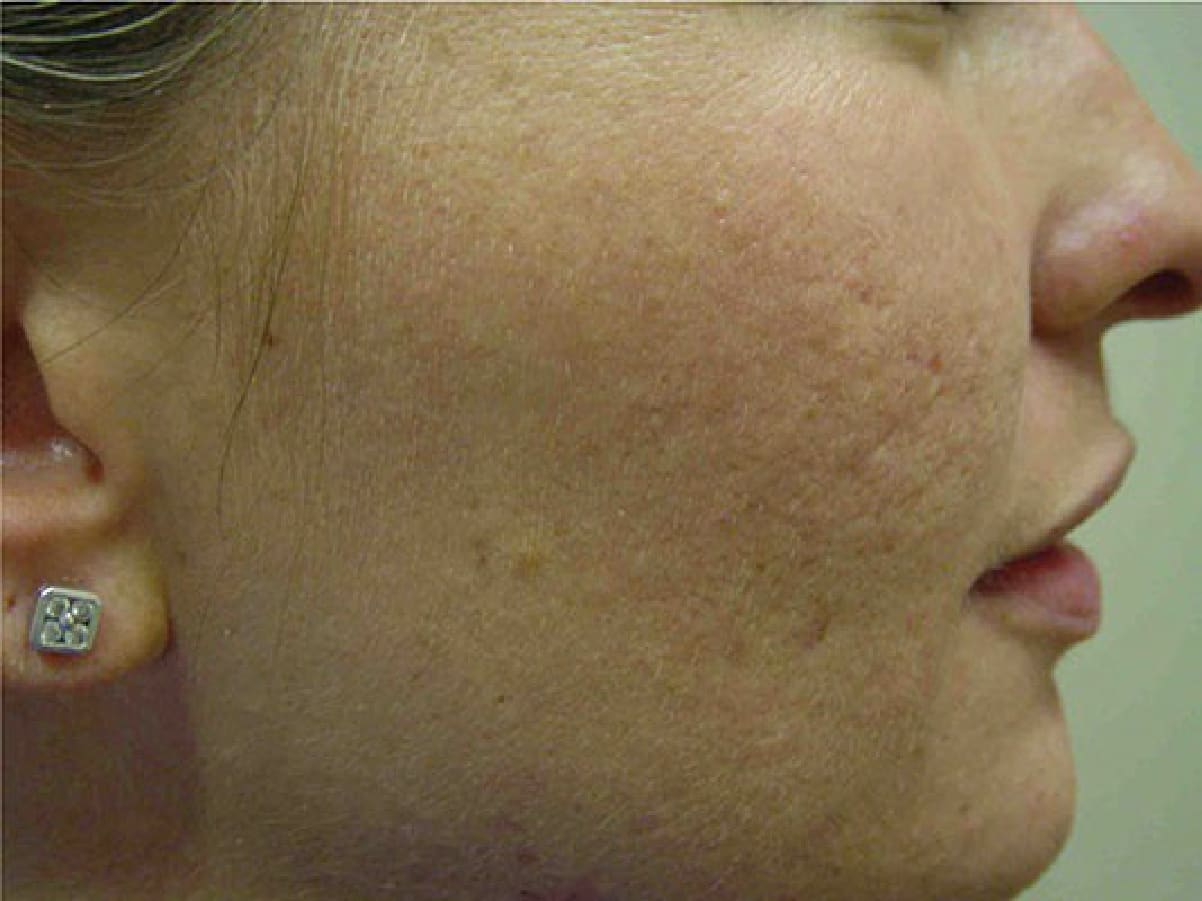
Figure 67-6. Six months after four sessions of nonablative fractional resurfacing.
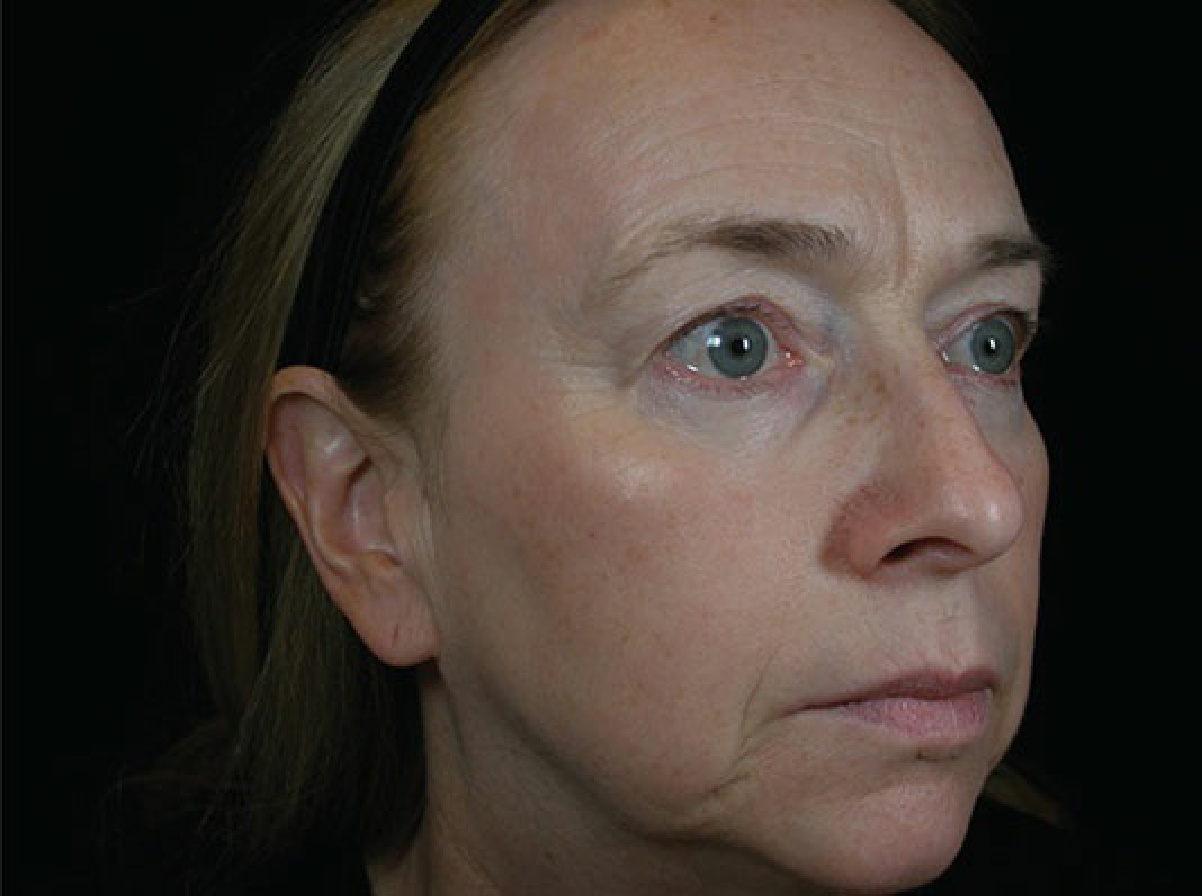
Figure 67-7. Before ablative fractional carbon dioxide laser resurfacing.
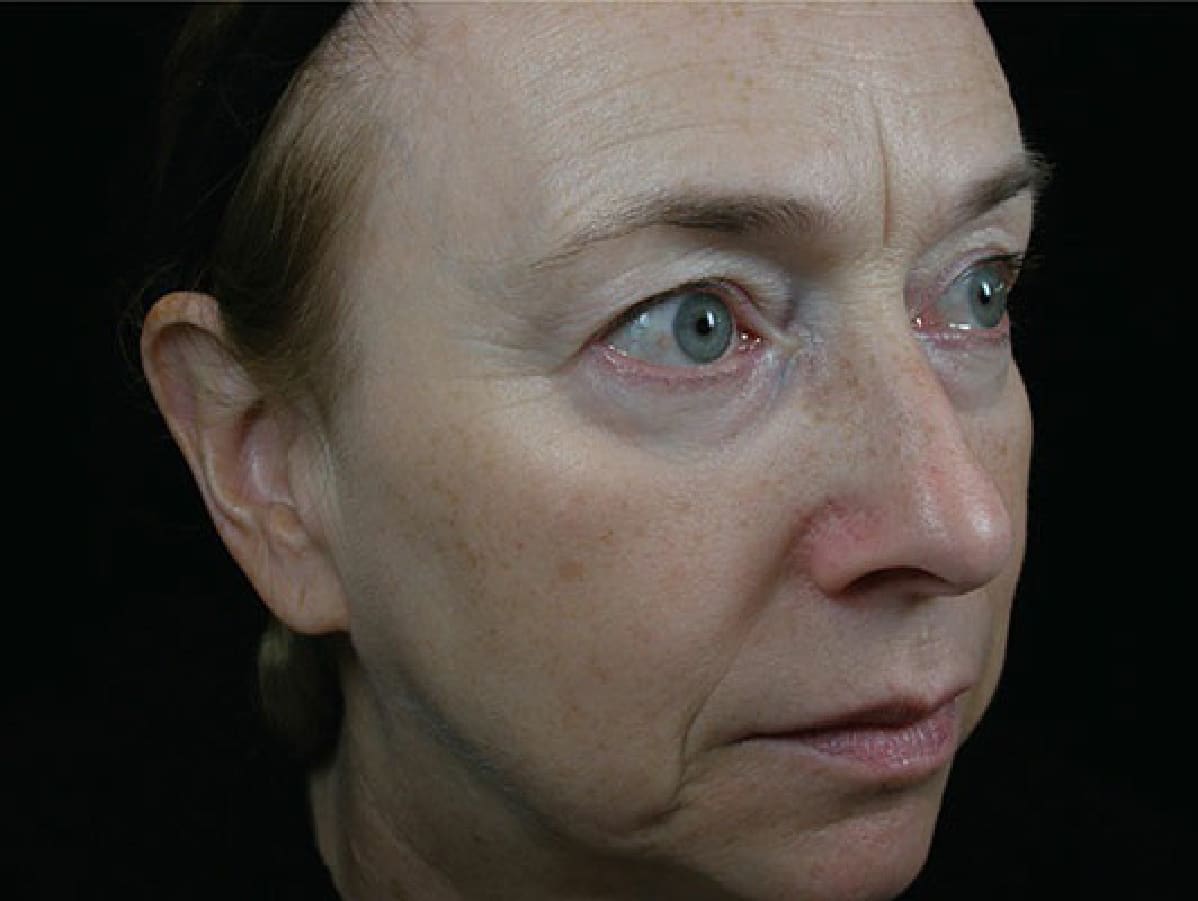
Figure 67-8. Six months after ablative fractional carbon dioxide laser resurfacing.
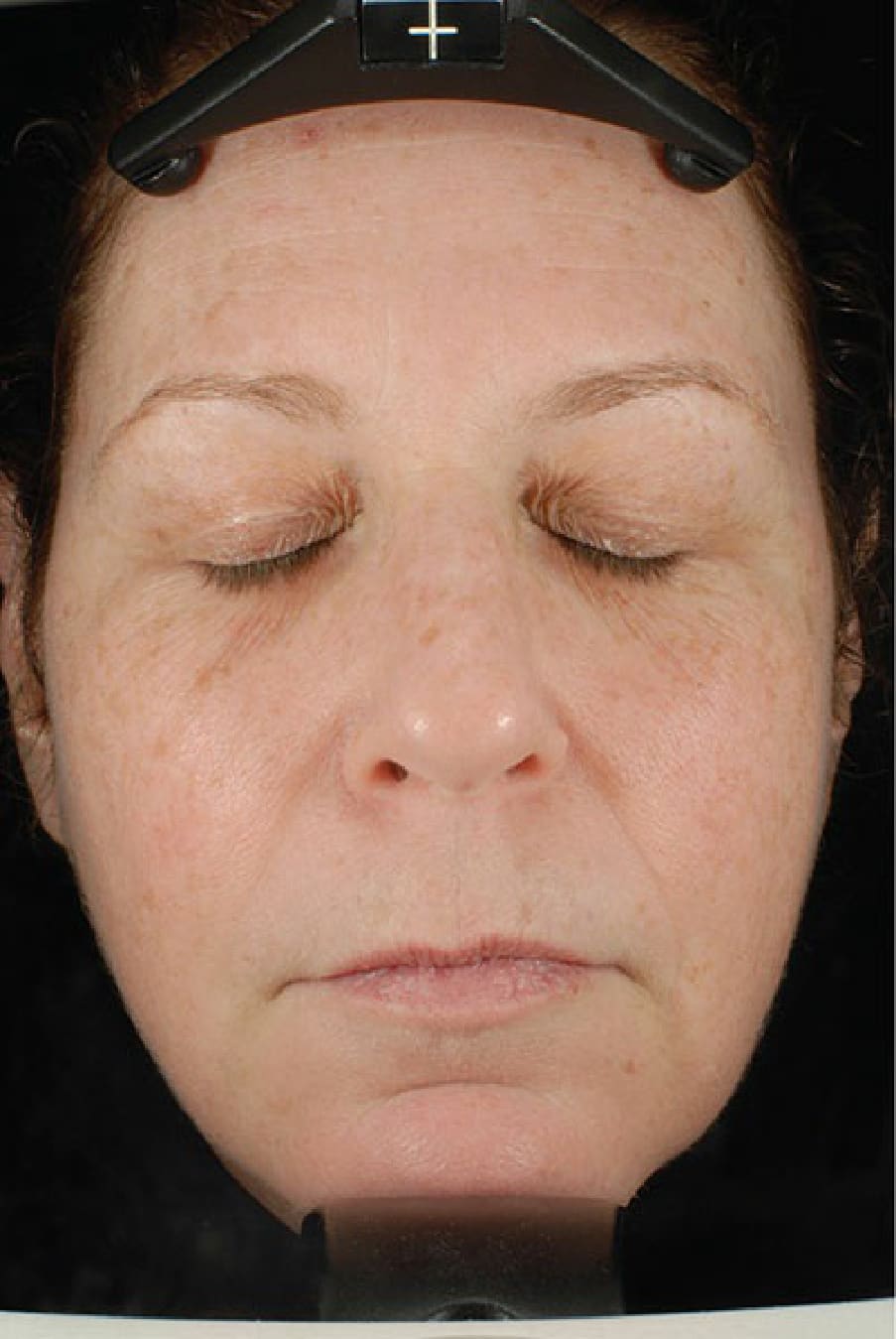
Figure 67-9. Before ablative fractional carbon dioxide laser resurfacing.
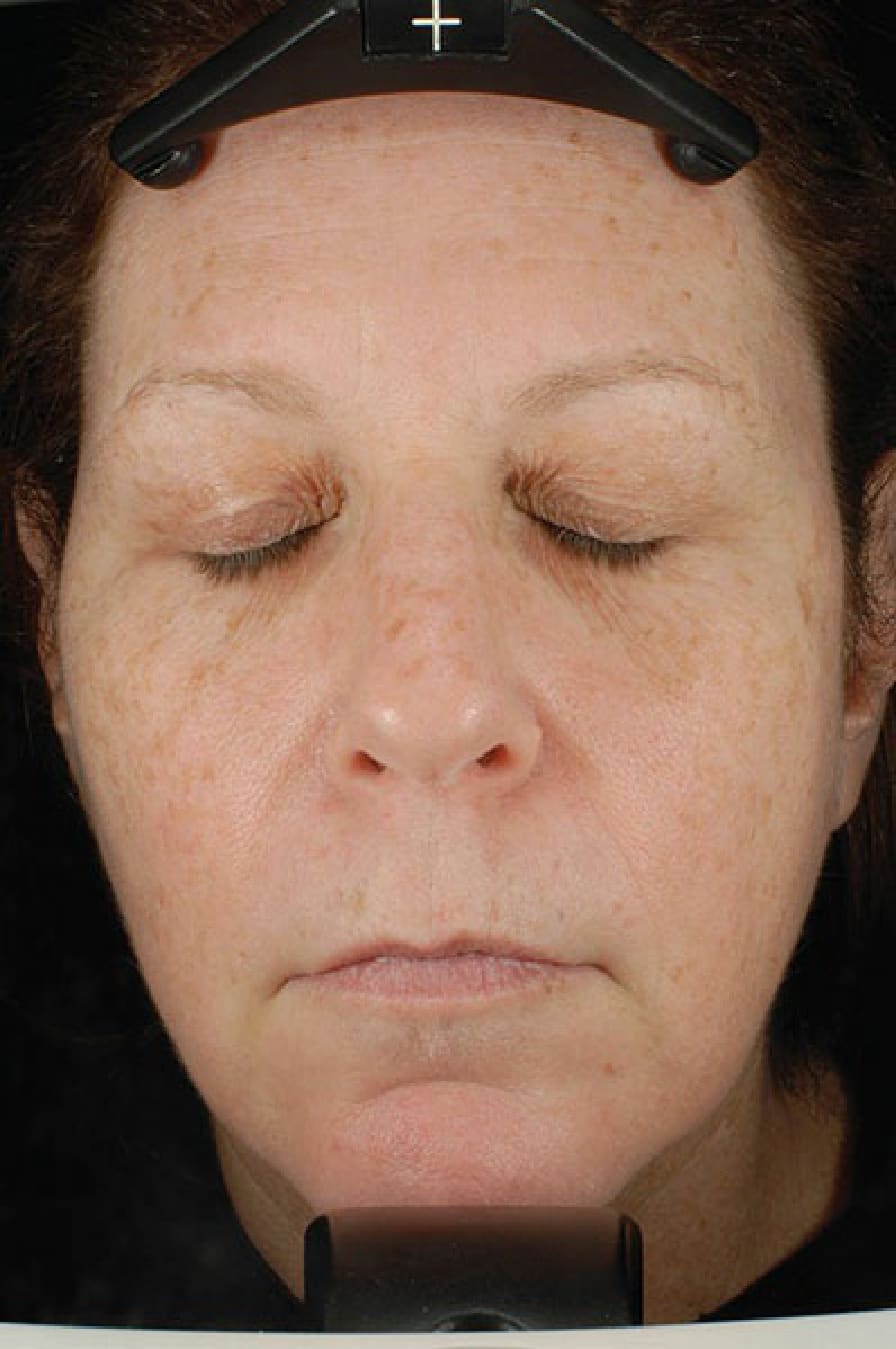
Figure 67-10. Six months after ablative fractional carbon dioxide laser resurfacing.
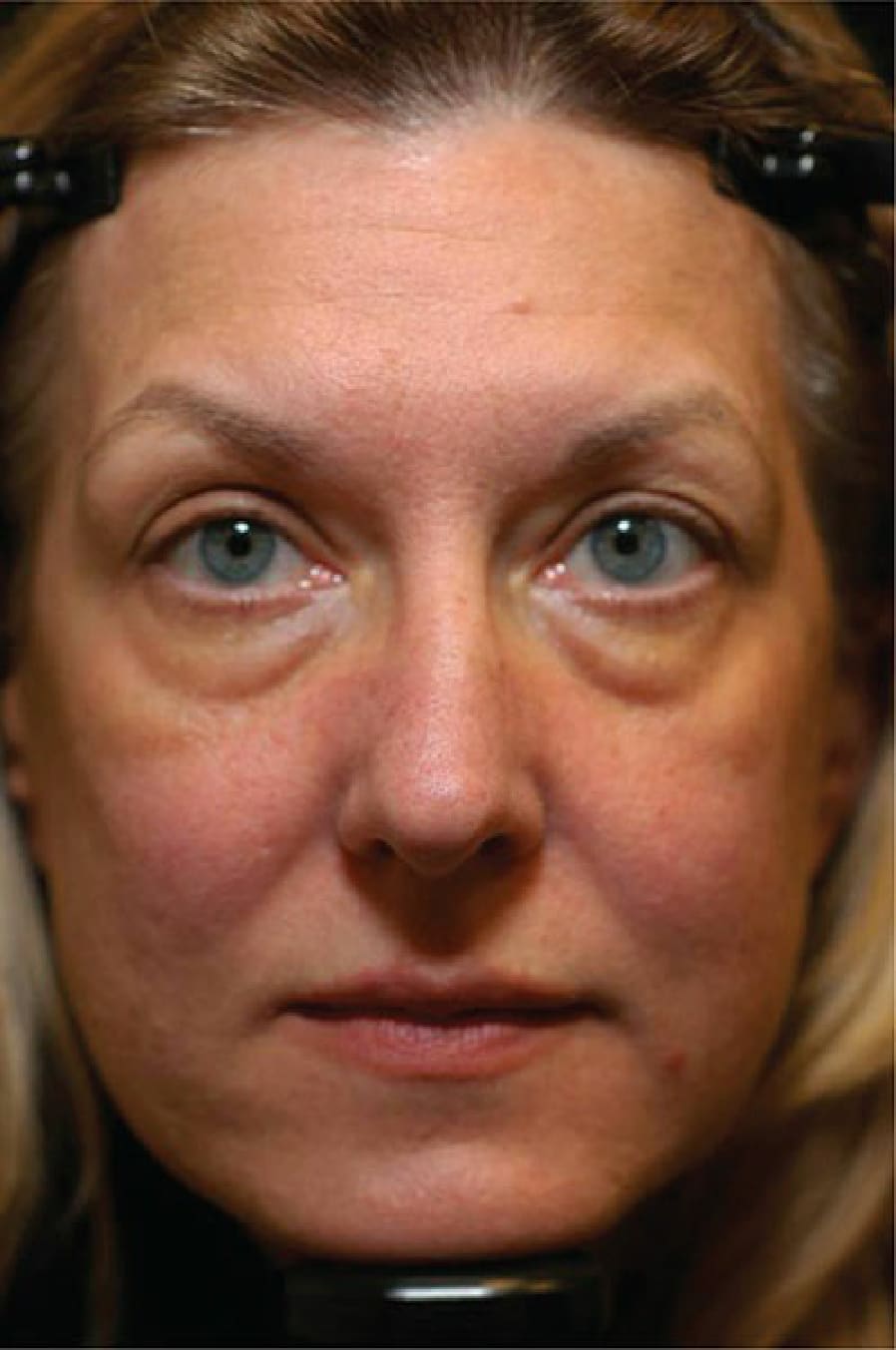
Figure 67-11. Before ablative fractional carbon dioxide laser resurfacing.
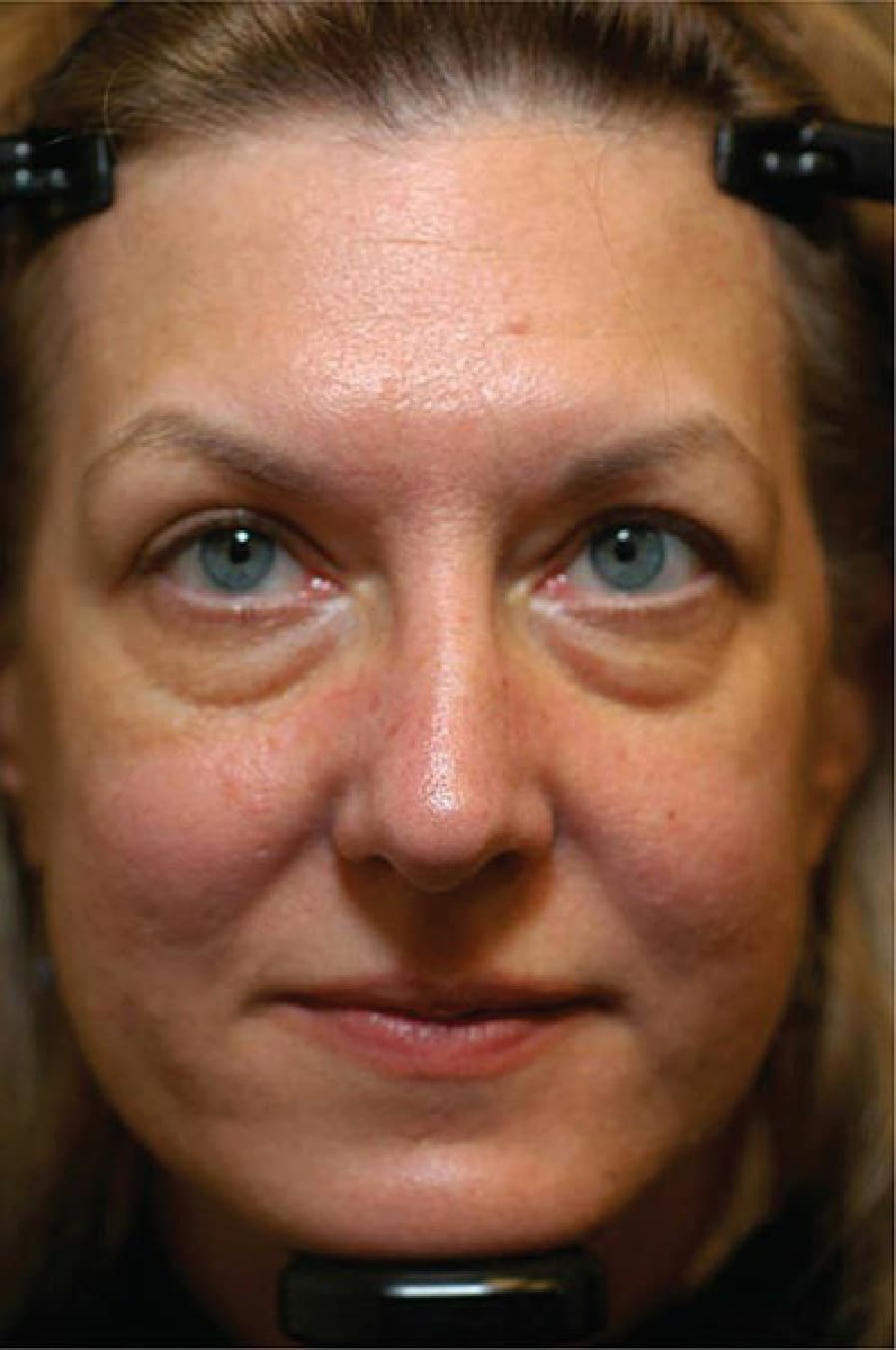
Figure 67-12. Six months after ablative fractional carbon dioxide laser resurfacing.
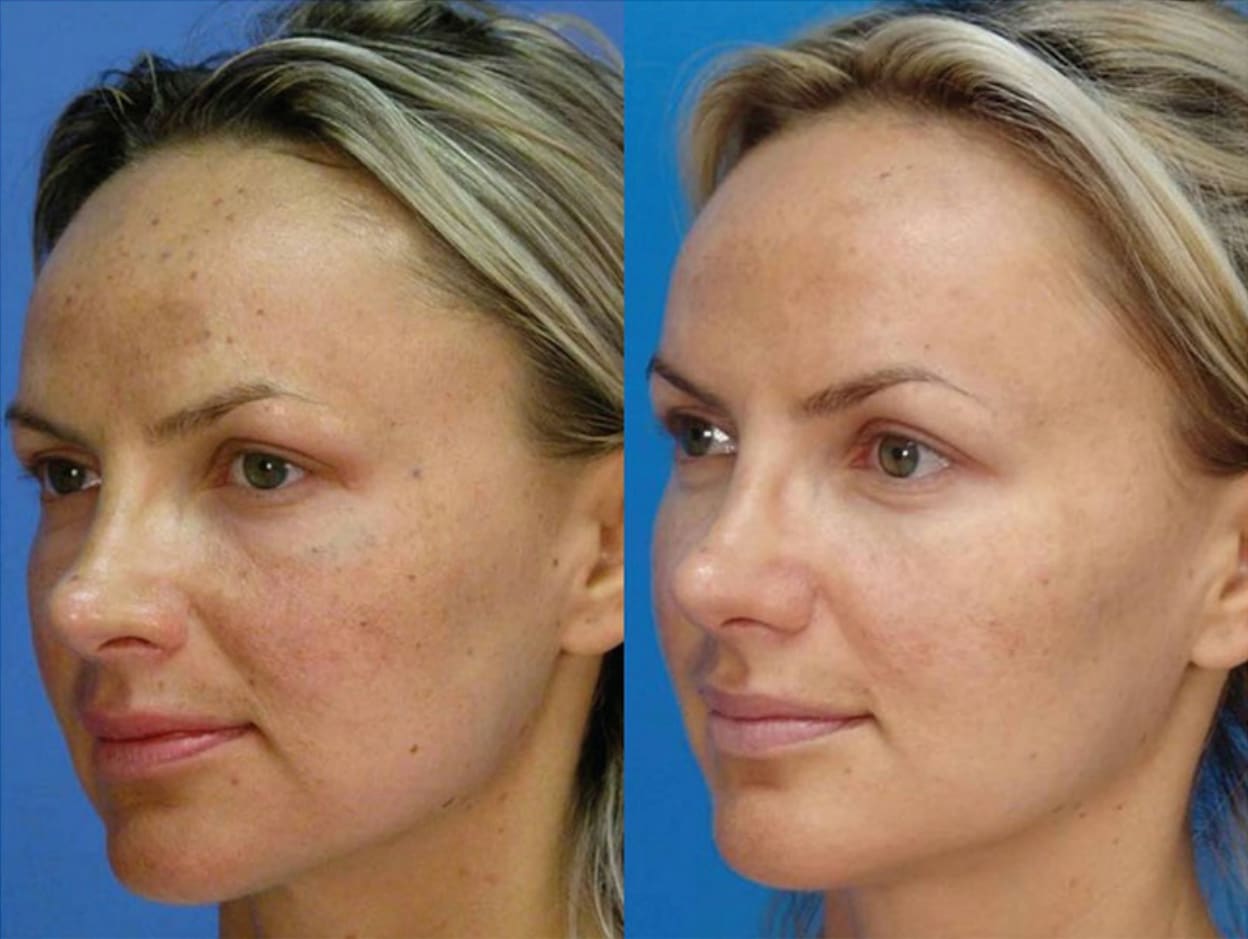
Figure 67-13. Before and 6 months after ablative fractional Er:YAG laser resurfacing.
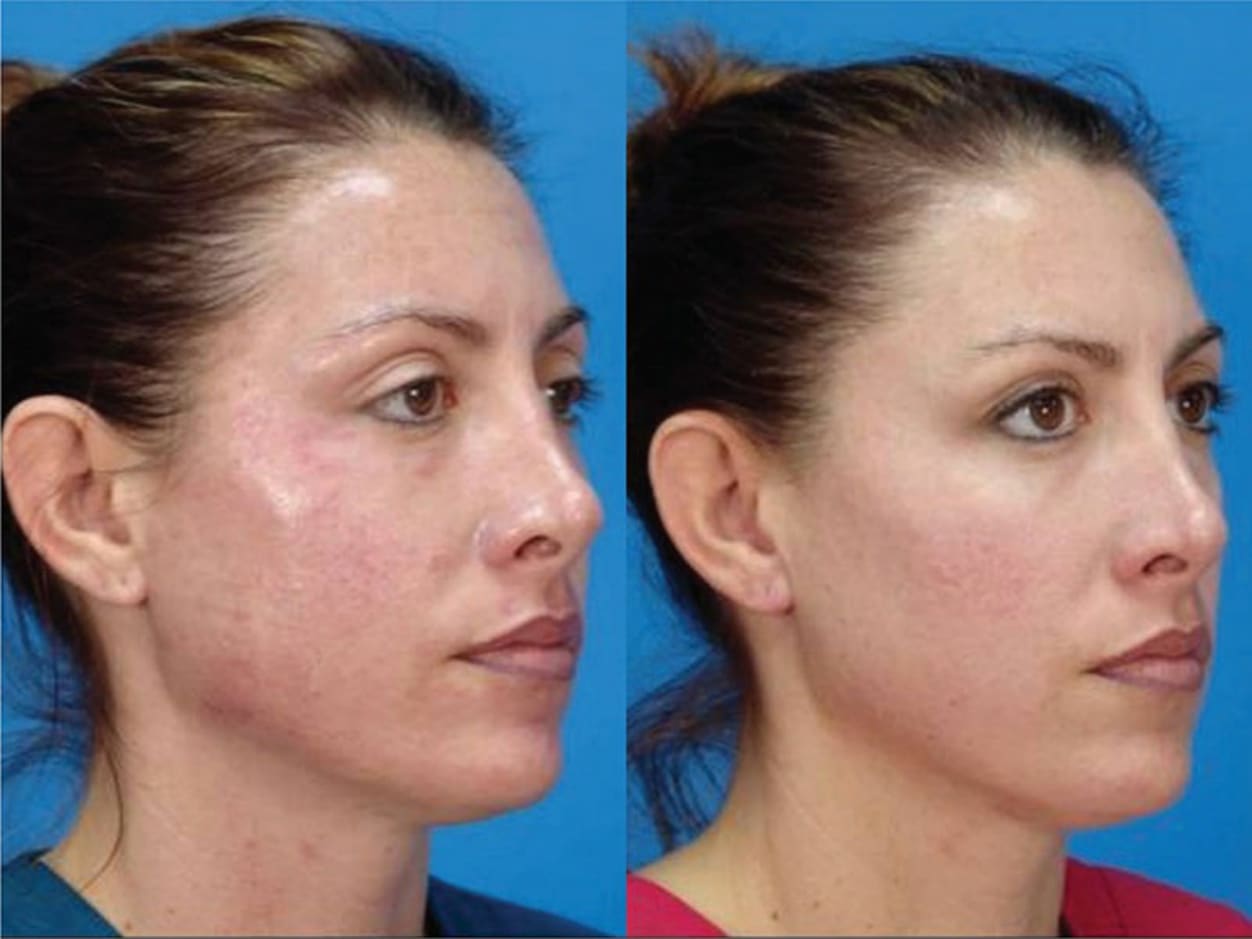
Figure 67-14. Before and 6 months after ablative fractional Er:YAG resurfacing.