ABLATIVE NONFRACTIONATED LASERS
ABLATIVE NONFRACTIONATED LASERS
Since their 1964 invention at Bell Laboratories until the 1990s, the only dermatologic energy-based device for the treatment of scars, rhytides, dyspigmentation, and surface texture was an ablative nonfractionated carbon dioxide (CO2) laser.1 Ablative lasers are excellent at resurfacing, as they instantly heat epidermal cells to greater than 100°C, leading to vaporization of the surface cells and produce coagulation necrosis of the residual cellular layer. In the dermis, the energy emitted from the laser creates nonfatal
damage to dermal fibroblasts, stimulating collagen production, resulting in decreased rhytides, resolution of dyspigmentation, and smoother skin. Currently available laser platforms for ablative lasers are CO2, which emits energy at 10,600 nm, and erbium:yttrium aluminum garnet (Er:YAG), which emits at 2,940 nm.
In their nonfractionated form, ablative lasers vaporize the entire field of skin on which they are projected. As with other skin rejuvenation lasers, the thermal damage produced denatures the existing dermal collagen and stimulates the production of new collagen. New collagen synthesis may continue 4 to 6 months after treatment.1 As collagen is generated, the wound heals with subsequent tightening of the dermis and epidermis, resulting in improved skin texture.2
Nonfractionated ablative CO2 lasers produce excellent improvement in skin texture, dyspigmentation, and rhytides,3 but require a 2-week recovery period from edema, burning, and crusting, and carry an average of 4 months of treatment site erythema.1,4 There is also a risk of permanent hypopigmentation, herpes simplex virus (HSV) outbreak, scarring, milia formation, and acne flare.5,6 Ablative nonfractionated Er:YAG lasers, which were developed after ablative nonfractionated CO2 lasers, when used with longer pulse duration produce results equal to their CO2 counterparts, but with less unintentional tissue destruction, shortening the patient’s recovery period.
CO2 and Er:YAG nonfractionated ablative lasers are used only for patients with light skin types. Dyspigmentation risk and scarring among Fitzpatrick skin types V and VI is considered too great to consider this group for nonfractionated ablative resurfacing treatment (Figs. 67-1 and 67-2).7
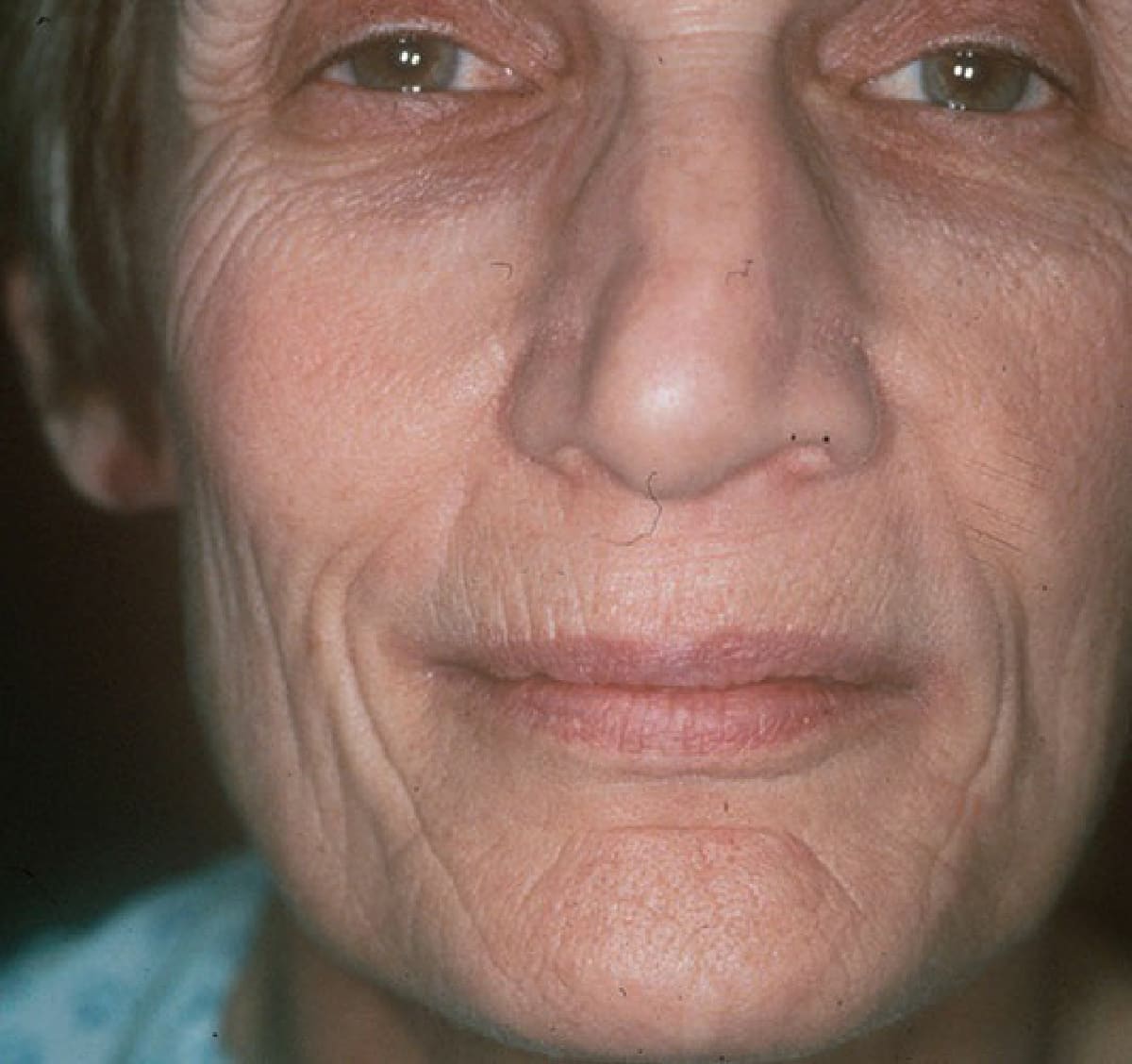
Figure 67-1. Before ablative carbon dioxide laser resurfacing.
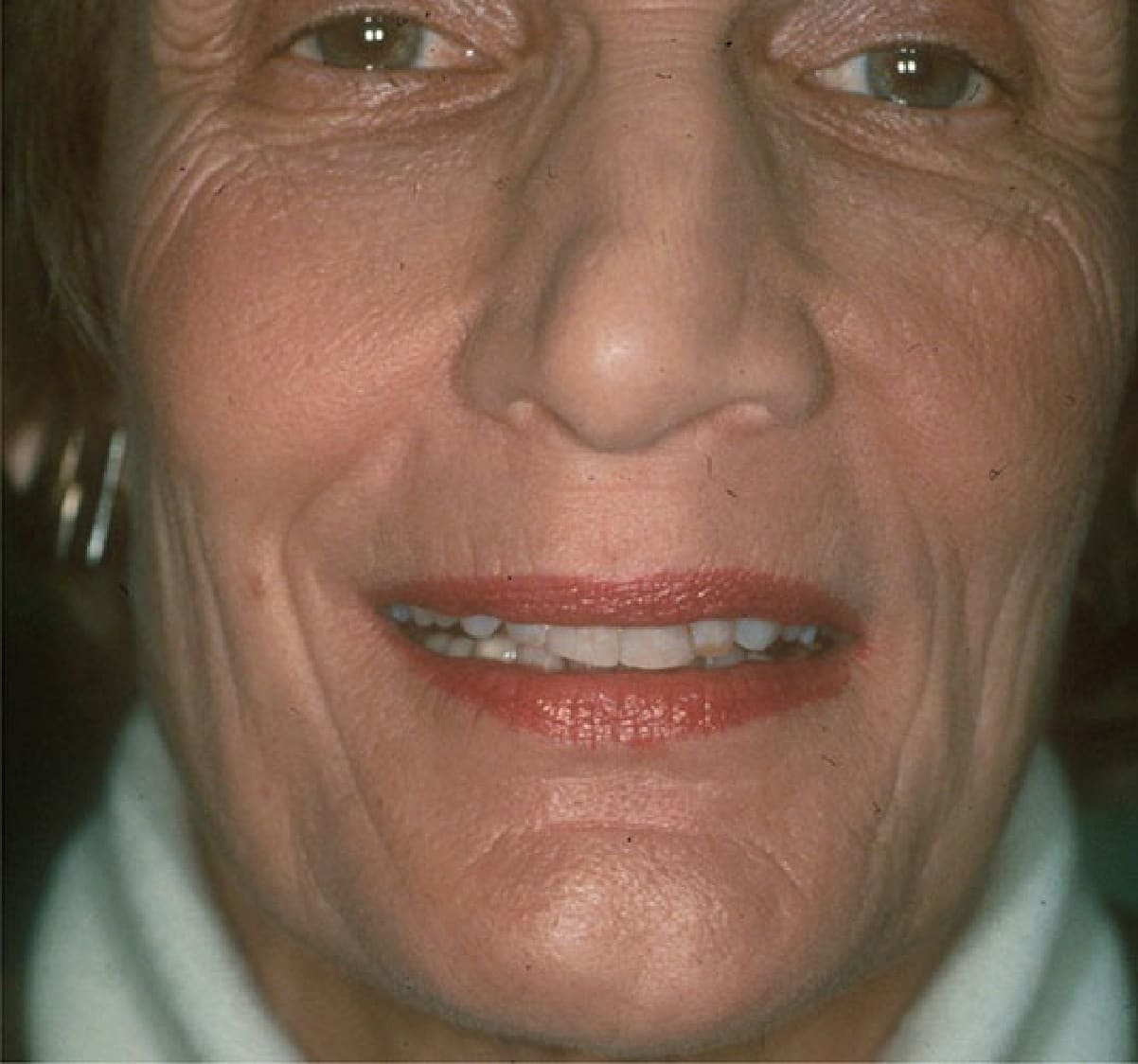
Figure 67-2. Six months after laser resurfacing.