POSTOPERATIVE CARE
POSTOPERATIVE CARE
The patient can wash the donor site the next day, and normal washing of the grafted area can resume after 1 week. Most surgeons recommend frequent misting of the recipient area with a saline-based solution over the first few days. Strenuous exercise should be avoided over the first postoperative week.
Most hair transplant surgeons do not use bandages, though Vaseline gauze can be used for the first day in FUE cases where there may be some oozing from the donor site.
From 7 to 10 days postoperatively, the majority of grafts will start to shed their surface crust and probably the external hair shaft as well. New hairs will start to grow after 3 to 4 months, but will not reach maturity demonstrating the final result until 8 to 14 months from the date of the procedure (Table 62-6).
Postoperative edema may occur, but prevention is possible using ice packs from the day after surgery as well as sleeping with the head elevated at 45 degrees for 3 days. A headband may be used to prevent fluid moving down the forehead.
Anagen and/or telogen effluvium can both occur after surgery when transplanting into thinning, rather than bald, areas. This is especially common in female patients who should be warned that this may occur and encouraged to use minoxidil before and from 1 week after surgery.
COMPLICATIONS
Complications fall into two categories: aesthetic and medical/surgical. Aesthetic complications are probably more common, especially for the inexperienced surgeon. These include patient expectations not being met when the surgeon and patient have not understood each other’s expectations from the surgery. This may also be due to choosing the wrong patient, for example, a young patient with rapidly progressing hair loss that has not first been stabilized with medications. Poor design may be an issue, including wrong angle of placement of grafts or grafts placed incorrectly along the hairline.
Occasionally a patient will be present with poor growth, which could be due to an underlying skin condition (e.g., scarring alopecia such as lichen planopilaris) that was not diagnosed, postoperative infection, poor graft handling, or storage issues during the procedure. Sometimes no cause is found.
Medical/surgical complications include pain, bleeding, edema, sensory loss (temporary or permanent), and folliculitis. Less commonly, wound dehiscence, donor or recipient area necrosis, and widened, keloid, or hypertrophic scarring can occur.
CONCLUSIONS
The natural appearance of a hair transplant is dependent on the ability of the surgeon to create appropriate incision sites, taking into account the variables that affect graft placement. The survival and subsequent growth of transplanted follicular unit grafts are dependent on the storage and handling of the grafts by the entire hair transplant team. It is equally important to leave the donor area with the best possible aesthetic appearance that will stand the test of time by respecting the safe donor area and producing scars from either strip FUT or FUE that will both be hidden and not create styling issues for the patient.
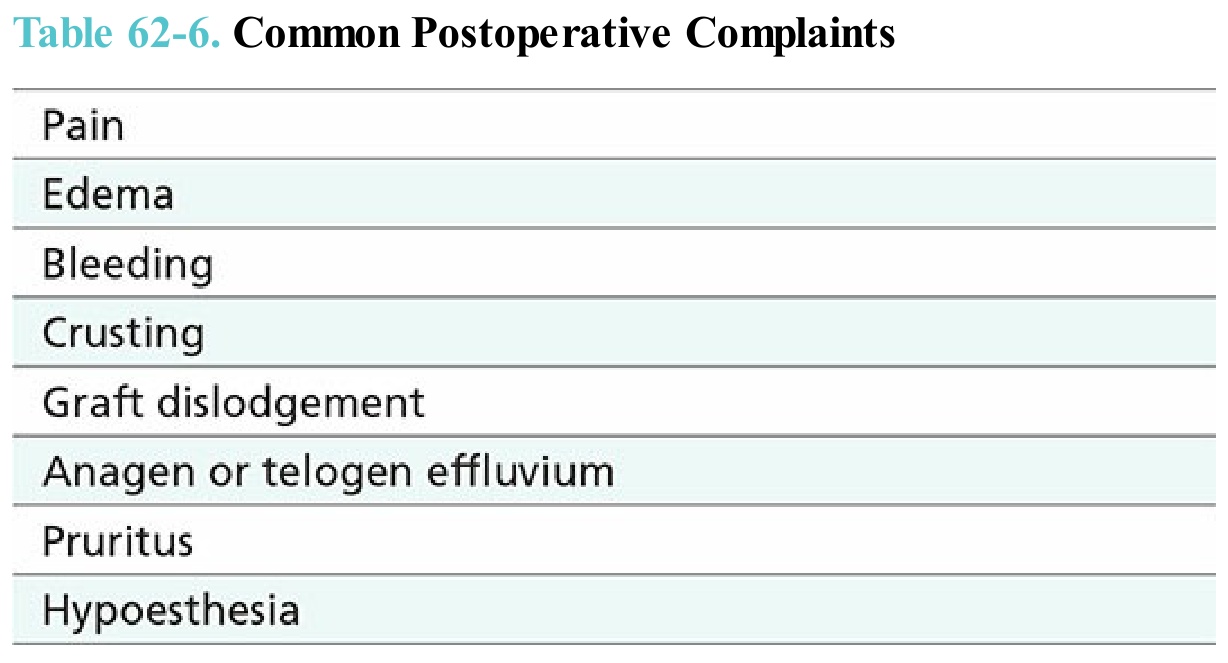
Table 62-6. Common Postoperative Complaints