HARVESTING TECHNIQUE
HARVESTING TECHNIQUE
With strip FUT, the key is to visualize the hairs and remain parallel to the exiting hair shafts to help ensure a very low transection rate. A moderate amount of magnification is helpful. A no. 15 blade can be used to incise the epidermis, and for deep scoring the upper and lower strip borders (Fig. 62-9).
Next, a spreader device (Fig. 62-10), or gentle skin hooks are placed on either side of the incision, and traction is applied (Fig. 62-11). The surgeon holds the upper hook while the assistant holds the lower one and uses the scalpel blade to gently ease through the subcutaneous fat under the follicles while pulling on the strip with tooth forceps or a towel clamp. The goal is to bluntly dissect as much as possible avoiding hair follicle transection and damage to the deep neurovascular bundles.
The above strategy normally results in minimal bleeding, though hemostasis can be achieved with a 4-0 suture or conservative cautery. The use of aggressive electrocautery to stop bleeding will potentially damage nearby hair follicles and contribute to further scarring. Closure of the donor wound is most commonly performed with a continuous 4- 0 or 3-0 suture of choice or staples. It is important to pay attention to correct alignment of the hairs on either edge of the wound to ensure a subtle postoperative scar.
The trichophytic closure technique may help disguise the strip donor scar. A very superficial string of epidermis (1 × 1 mm) is removed all along the lower or upper wound edge ahead of closure. This has the effect of forcing hairs from this trimmed edge to grow through the scar, breaking up its linear appearance (Figs. 62-12 and 62-13).
FUE uses two basic punch types with sharp and blunt tips; each has manual and power versions. The sharp punches have a shallower depth control to lower the risk of hair transection at the lower end of the follicular unit. The blunt punch permits deeper dissection and more release of the underlying tissue, lowering the force needed for graft plucking or removal.
The key to the use of a sharp punch is depth limitation, usually accomplished with a silicon tube or tape marking on the punch or other design features of the punch handle. The depth may be variable, but typically must be at least as deep as the arrector pili
muscle at 2.5 mm or more while keeping the follicles intact. The hairs usually splay beyond the punch area, resulting in higher transection rates. The punch must be accurately targeted while stabilizing the follicles to reduce follicular damage.
The skin is usually injected with tumescent solution, and the punch is aimed so that the emerging hair is centrally located and the angle matches the emergence of the hair. The most common sizes for FUE punches are 0.75 to 1.05 mm. There are considerable number of devices and brands available depending on user preference, including some that have suction devices to assist in lifting the grafts off the skin surface. Examples of sharp systems include the Cole, Ertip, and SmartGraft systems (Fig. 62-14).
With blunt or dull punches, the goal is for deeper dissection and less force on graft removal and less graft transection. The blunt dissection punch is placed central to the emerging hairs but with a depth that reaches 4 mm or more below the skin surface. Due to the blunt nature of the punch there may be a higher risk of graft burial inside the skin.
The powered version of the blunt punch involves centering the punch over the emerging hairs and engaging the sharp edge before pushing through the blunt part of the punch. This nonsharp edge tends to push hairs out of the way into the lumen rather than transecting across them. Examples of this technique include the SAFE system and the WAW flat punch tool.
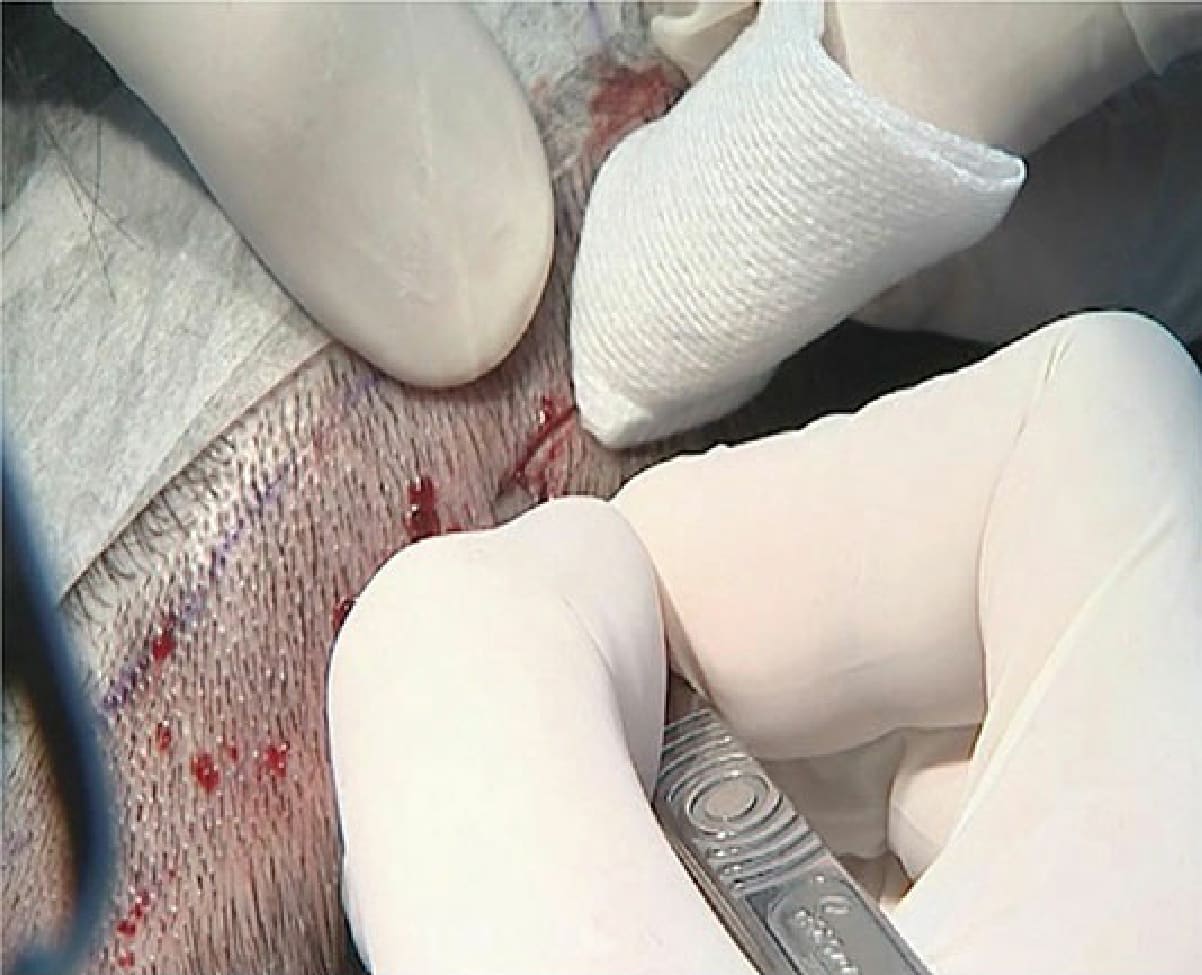
Figure 62-9. Scoring the lower border of the FUT strip using a no. 15 blade.
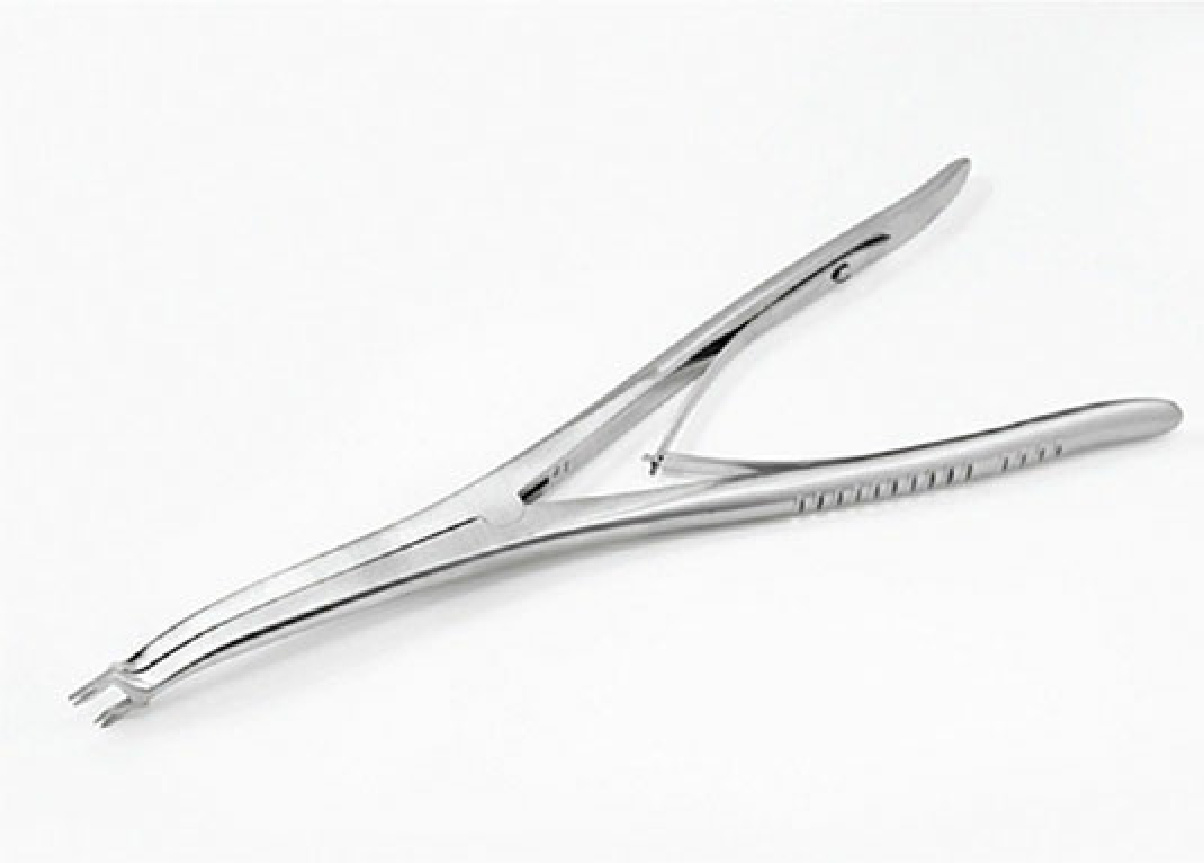
Figure 62-10. Strip harvesting spreader device designed by Dr. Robert Haber.
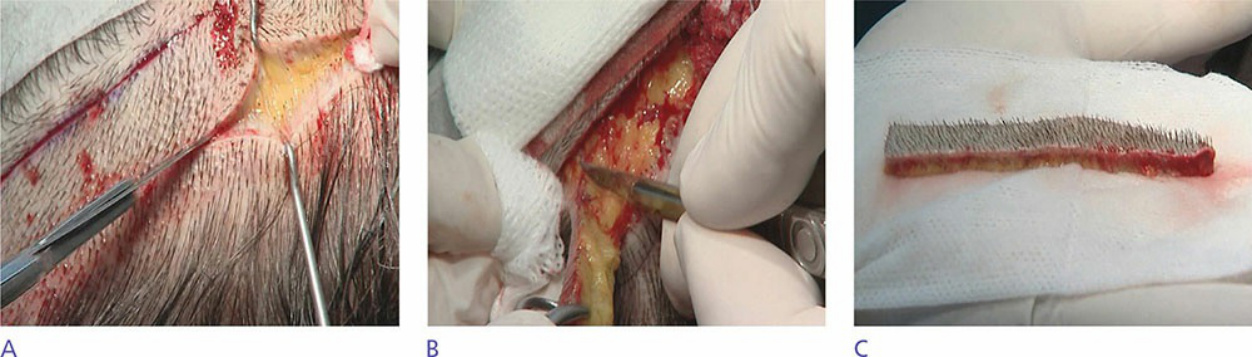
Figure 62-11. (A) Use of skin hooks to achieve blunt dissection. (B) The strip is dissected from the subcutaneous fat bluntly with gentle use of the blade and traction. (C) Typical portion of the excised strip with hairs intact.
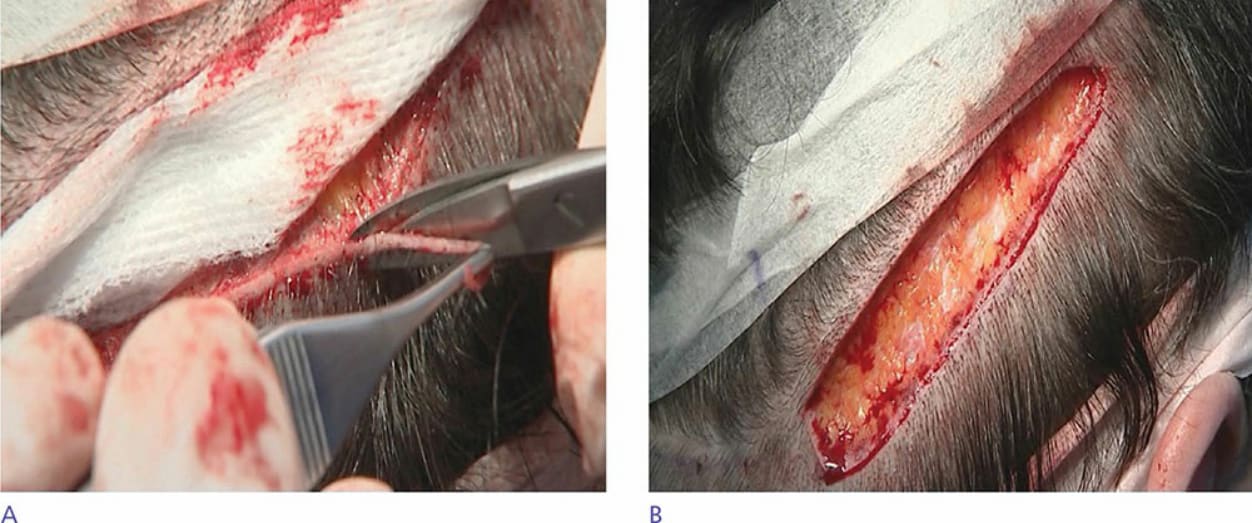
Figure 62-12. (A) Trichophytic closure technique showing removal of epidermis. (B) Donor wound after “lower ledge” epidermis removal.
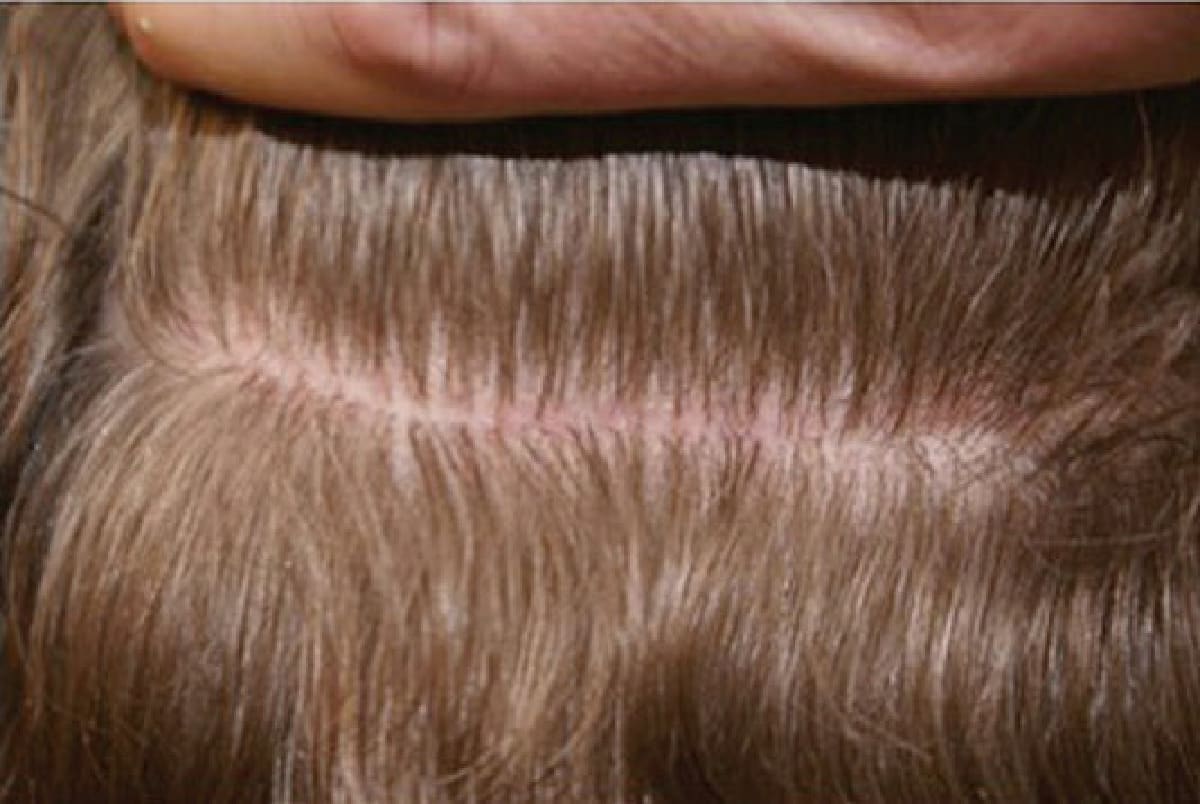
Figure 62-13. Excellent disguise of linear strip donor scar using the trichophytic closure technique.
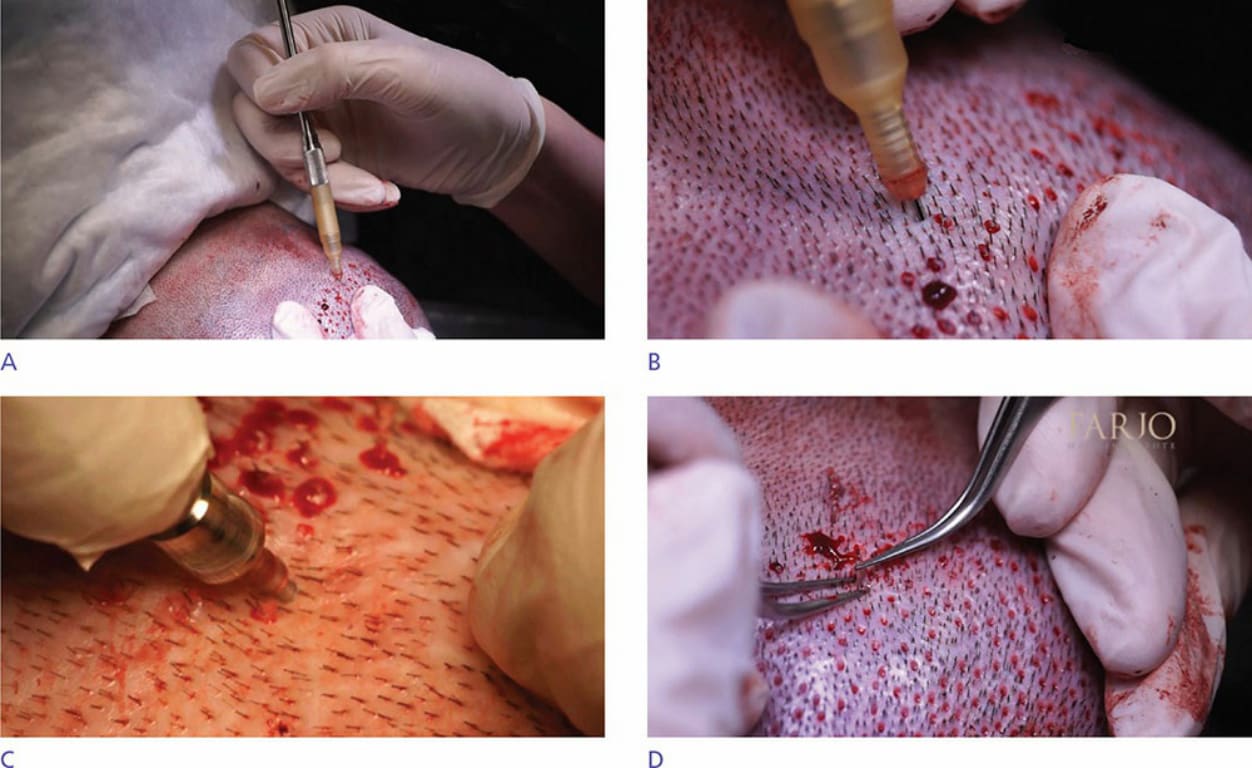
Figure 62-14. (A) FUE technique with Cole manual handle with sharp punch. (B) Skin engagement with the sharp punch. (C) Motorized Ertip sharp system. (D) Two-forceps technique for graft removal after punch incision.