PATIENT SELECTION
PATIENT SELECTION
When selecting a suitable patient for transplantation it is important to take a number of factors into account (Table 62-3). The biggest mistake that is made by beginner hair restoration surgeons is choosing the wrong patient. Because hair loss is a lifelong process it is vitally important to expect future hair loss and plan the procedure on that basis. Patients may or may not continue with nonsurgical treatments to maintain their
hair for the rest of their life. Regardless, at some stage they may suffer additional hair loss, and so patients should never be told that a single procedure will lead to complete and permanent improvement. The ongoing challenge with hair transplant surgery is the finite amount of hair available to work with that can only diminish, while the “canvas” to work on can only become larger.
The first consideration to take into account is the patient’s age. Those who are very young and/or in the early stages of hair loss may request surgery without appreciating its long-term consequences. A strong family history of balding should reenforce caution with anyone under 25 years of age as they have more time to lose significantly more hair (Fig. 62-5). With respect to Norwood classification, only those with Stage III or above should be offered surgery, and even in that situation the other factors such as age and family history should be considered (Fig. 62-1).
Other factors include hair color and quality and skin color. The higher the contrast
between hair and skin color the more hairs are needed for coverage. For example, a patient with dark brown hair and light white skin will still have white skin showing through after surgery, while a patient with blond hair and white skin will not. Other hair characteristics such as coarseness and curl will also play a role in the amount of coverage achieved.
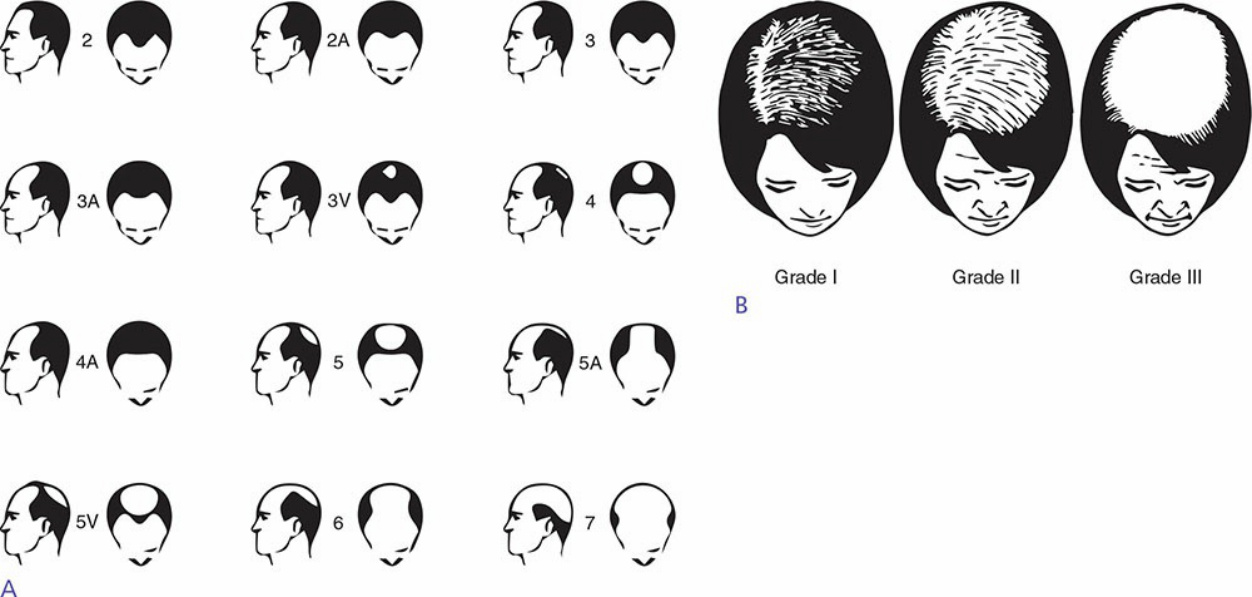
Figure 62-1. (A) Norwood classification of male pattern baldness. (B) Ludwig classification of female pattern hair loss.
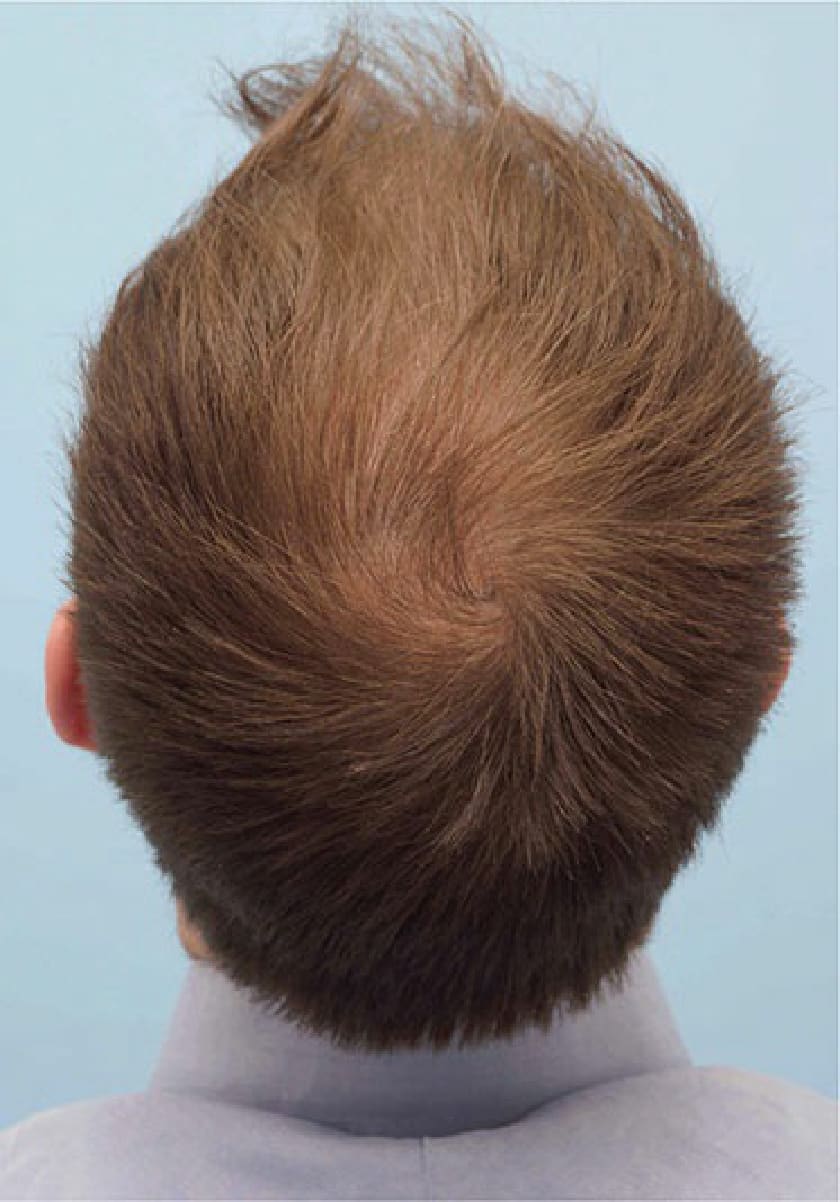
Figure 62-5. Example of a patient too young and with too early a hair loss stage to consider surgery.
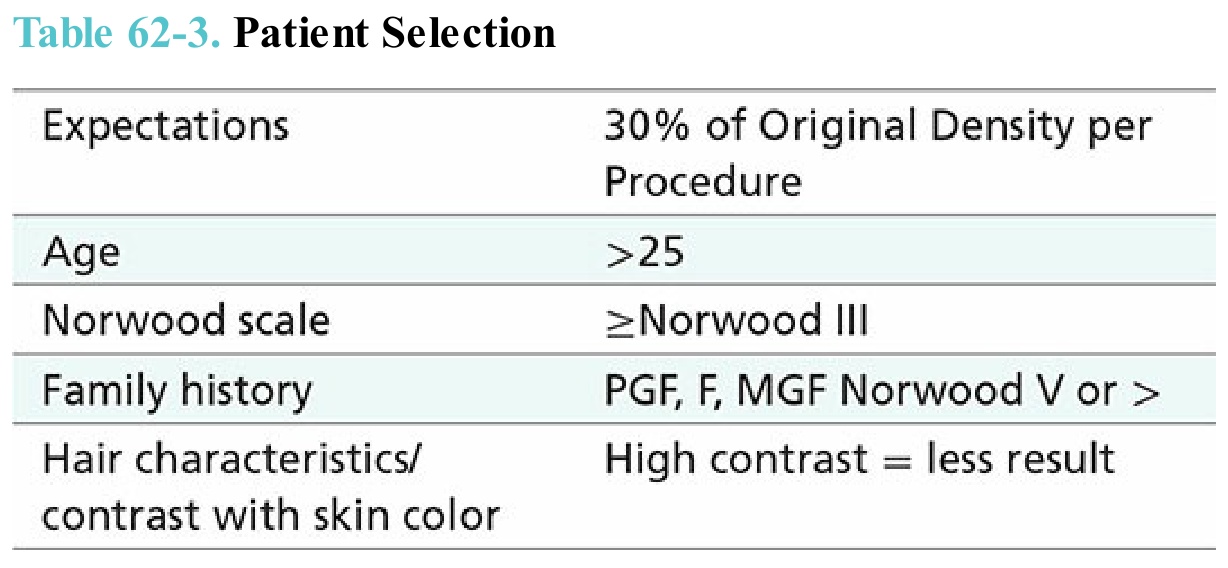
Table 62-3. Patient Selection