TECHNIQUES
TECHNIQUES
Modern hair transplantation techniques involve follicular unit grafting, a process in
which the natural grouping of hairs is preserved. Most hairs are grouped as two, three, or four hairs in a close bunch surrounded by a sebaceous gland and attached to one arrector pili muscle. There are also a small number of single hairs that grow on their own. During surgical restoration, retaining these natural groupings not only produces the most natural looking results but also the best graft survival rates.
There are two basic methods of donor area harvesting: follicular unit extraction (FUE) and strip follicular unit transplantation techniques (strip FUT).
Strip FUT harvesting involves removing a narrow but long strip of hair-bearing skin excised from a dense area of the donor scalp. The patient’s hair above the donor site completely covers the closed donor area so that at the end of the surgery the patient can leave with the most cosmetically pleasing appearance. The harvested strip is dissected microscopically into individual follicular unit grafts. The procedure usually requires a significant number of skilled technical staff with, on average, one experienced technician per 500 grafts (Table 62-1 and Figs. 62-2 and 62-3).
FUE is a method whereby punches of various types are used to remove follicular unit grafts from the donor region individually. The main advantages to patients are the lack of a linear scar and faster healing of the donor area. This technique should allow
patients to maintain a short haircut of only a few millimeters or less in the long term. FUE also allows the surgeon to harvest grafts where there is limited scalp elasticity (Table 62-2 and Fig. 62-4).
In a completely bald area, a single procedure can achieve up to 25% to 30% of the original density; thus, patients often require two procedures to achieve a cosmetically desirable density. In areas that are not completely bald, it is important to try to control ongoing hair loss with medical treatment; otherwise the patient may not look any different after a transplant as they continue to lose hair. If hair loss is genetically mediated, then results should be long lasting, though in other situations, if hair is lost due to a relapsing medical condition such as alopecia areata, then transplantation cannot be guaranteed. For some patients, even a temporary return to “normal” hair is acceptable.
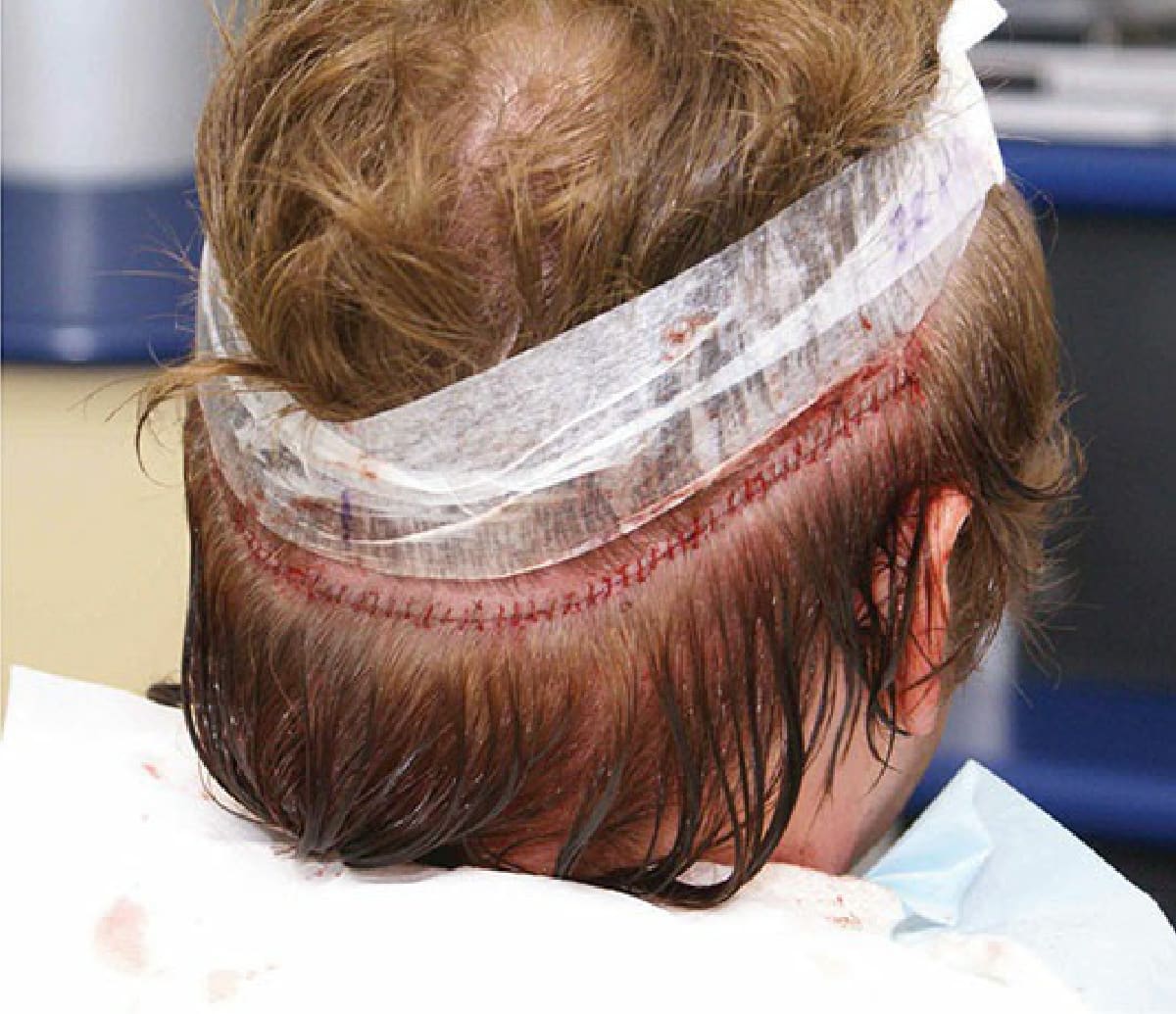
Figure 62-2. Typical postoperative appearance of strip FUT harvesting method.
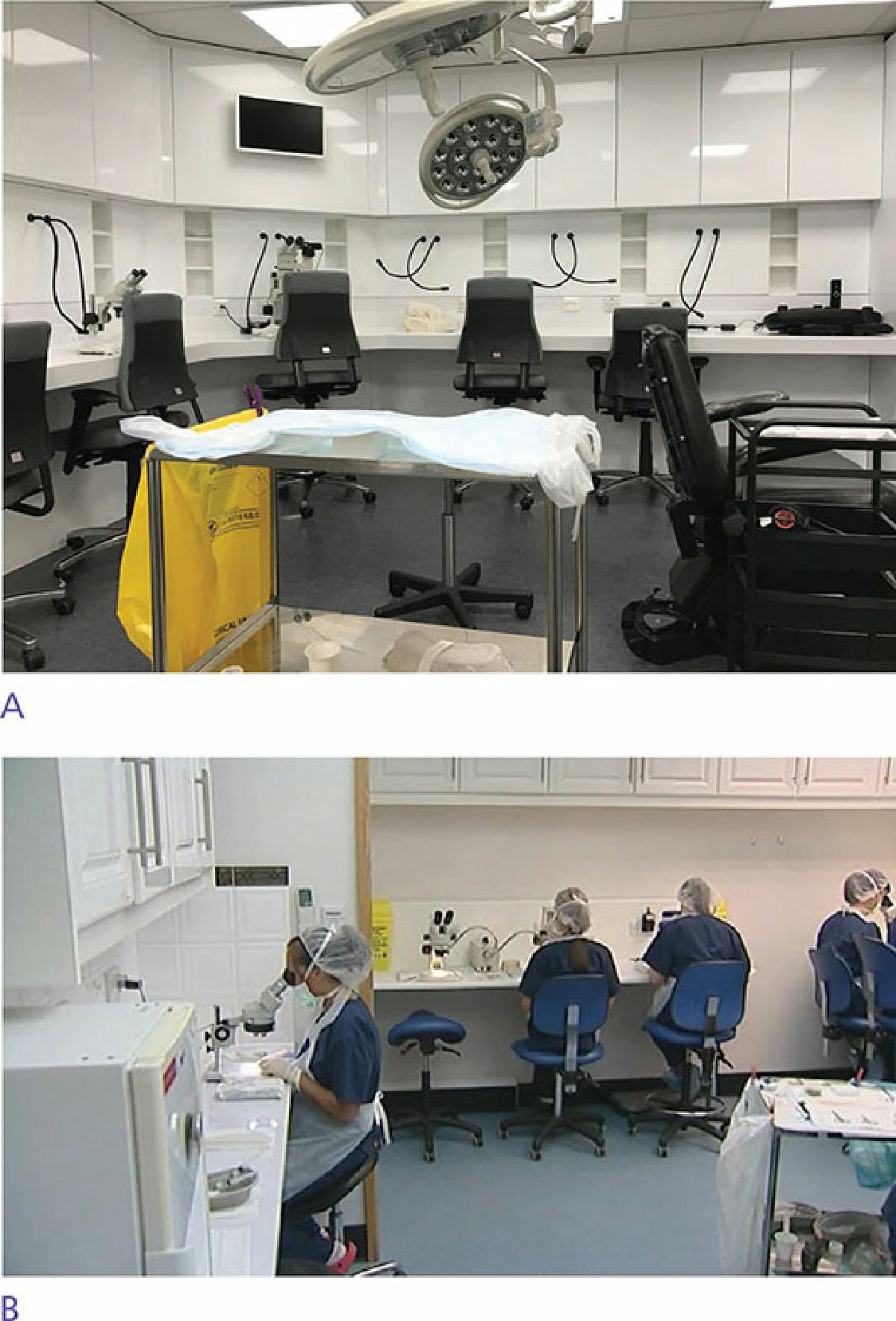
Figure 62-3. Typical strip FUT technicians’ setup.
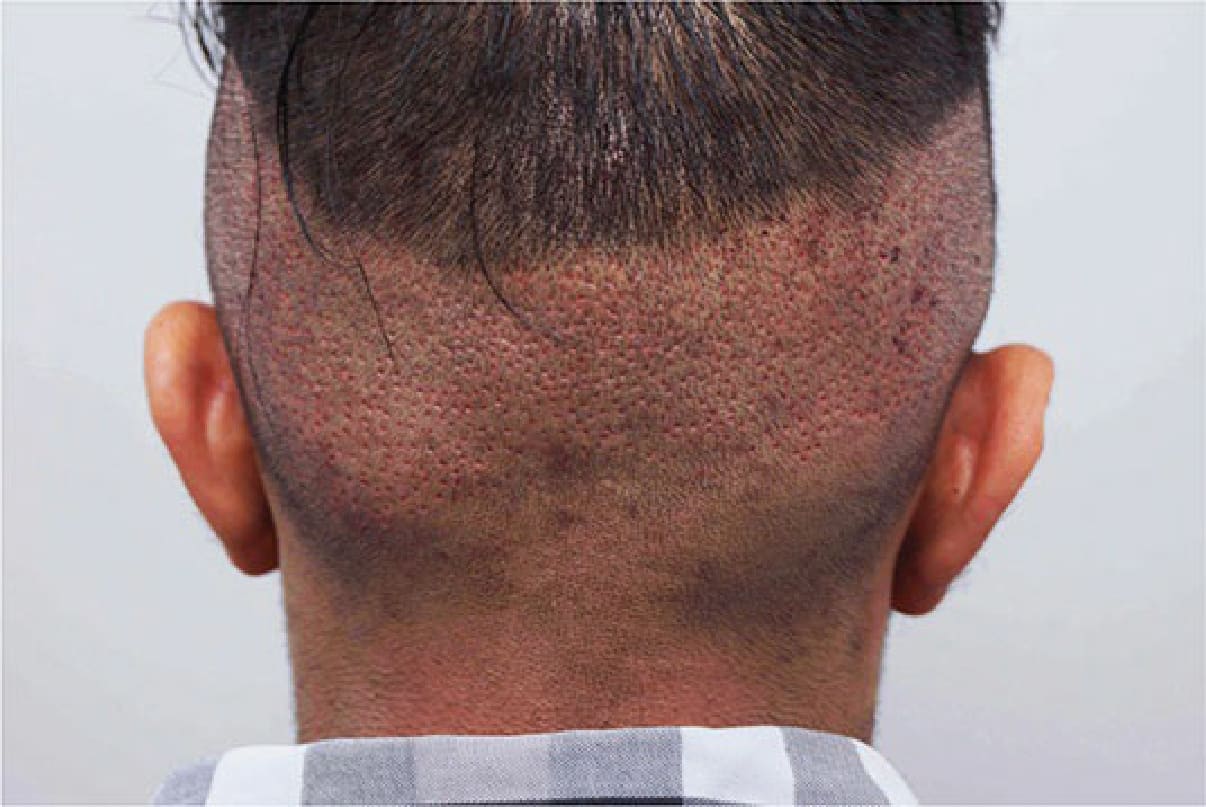
Figure 62-4. Typical postoperative appearance of FUE harvesting method.
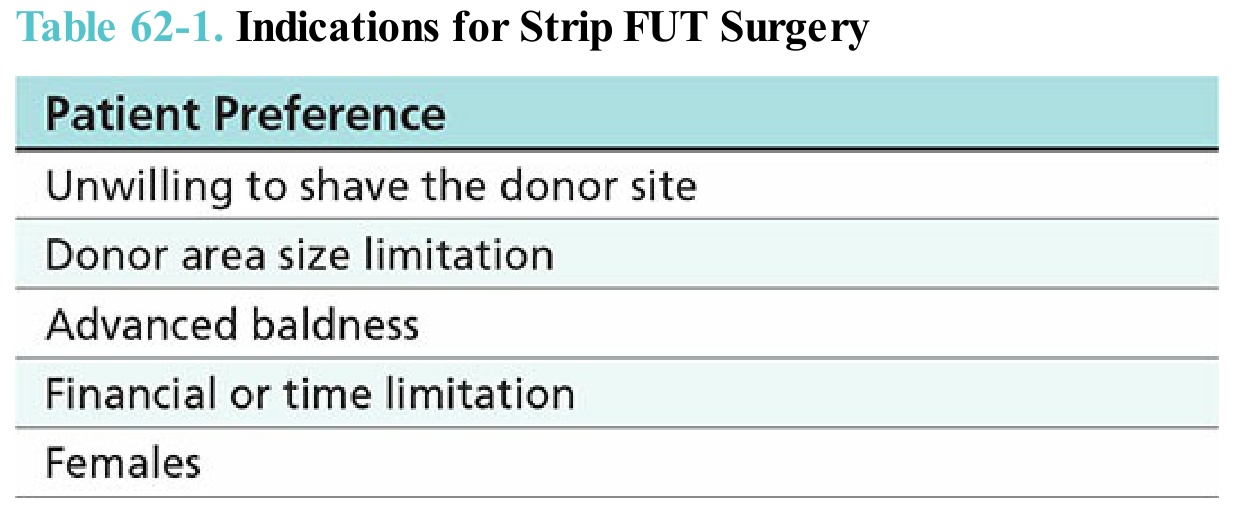
Table 62-1. Indications for Strip FUT Surgery
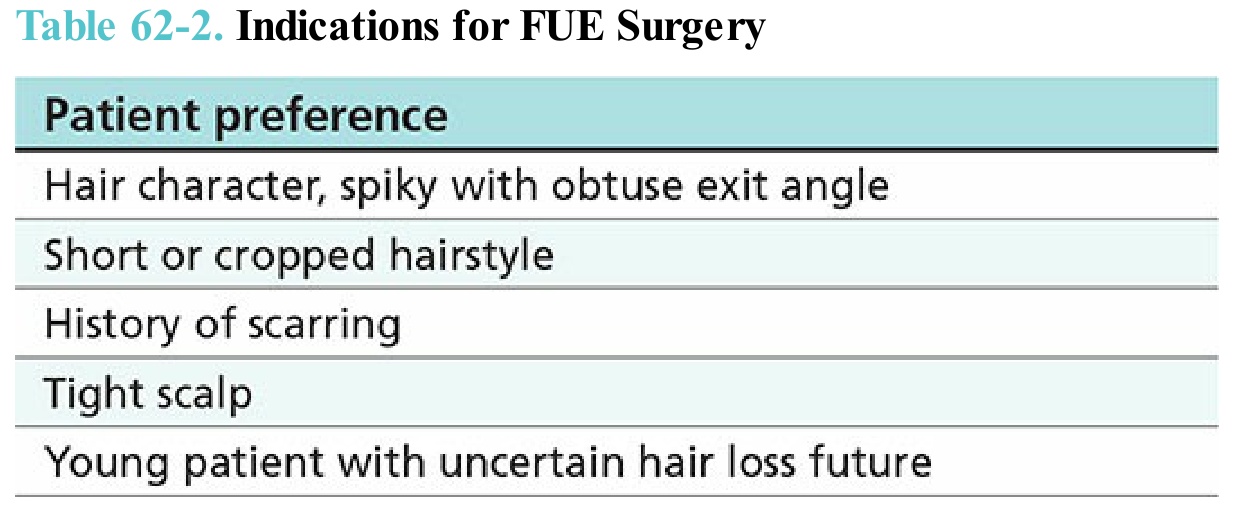
Table 62-2. Indications for FUE Surgery
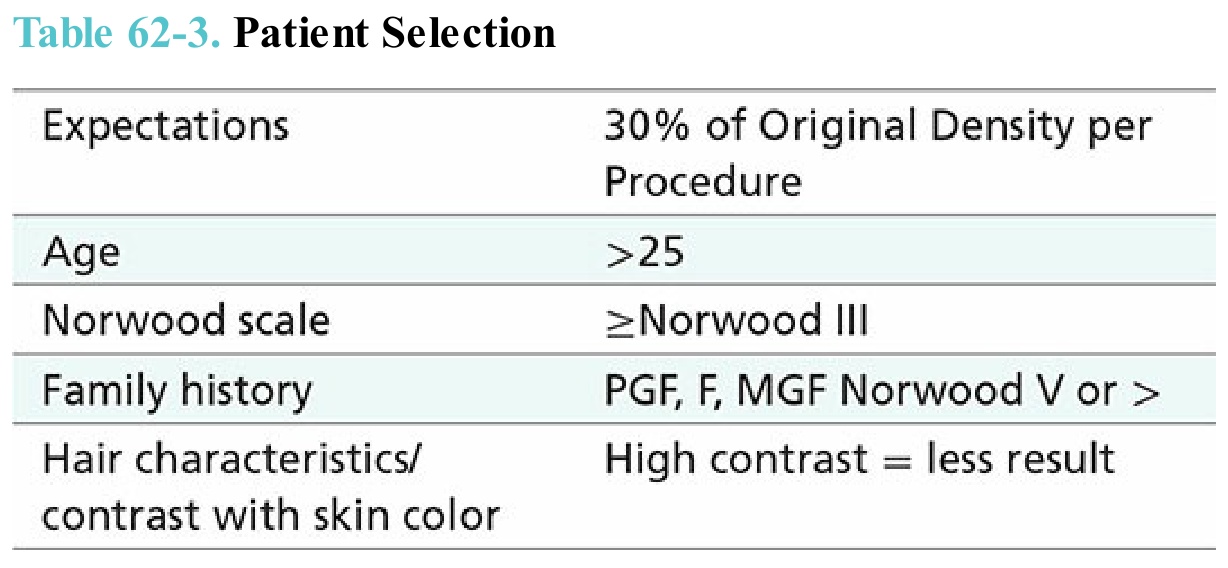
Table 62-3. Patient Selection