Consultation
Consultation
Major goals of the initial consultation are baseline evaluation, understanding of relevant medical history, and patient education. The dermatologic surgeon must evaluate the type, location, depth, and diameter of the deficit, as well as the quality of the surrounding tissue, which may alter the final appearance of augmentation. Appreciating the etiology of cutaneous defects will help select the most appropriate therapeutic modality and tailor the treatment plan accordingly. Distinction should be made between static and dynamic rhytides (the latter are usually more amenable to chemodenervation) and between changes as a result of chronologic age compared to solar damage (Table 58-1). Patients should be evaluated in a seated or gravity-dependent position with ample lighting streaming from an acute angle that highlights subtleties. This careful positioning allows for better selection of the filler product and injection technique. Standardized, before-and-after photography is strongly recommended to track changes over time and help explain procedures.
Appropriate patient selection is key in ensuring good outcomes, and involves taking a detailed past medical history. Table 58-2 outlines some helpful medical information to determine which patients are candidates for soft-tissue augmentation and which products may be most suitable for them. A history of prior allergic reaction to the filler material or its constituents (i.e., amide anesthetics such as lidocaine, or—for some HA fillers—gram-positive bacterial proteins) is a major contraindication. Intervention
should be postponed for infections or inflammation in the treatment area. Care should be taken in those with bleeding disorders, and all nonessential anticoagulation and/or antiplatelet medications may be held to limit the risk of ecchymosis. If used only as needed for pain, patients may discontinue aspirin 10 to 14 days and nonsteroidal antiinflammatory agents (NSAIDs) 5 to 7 days prior to the procedure. There are many other over-the-counter supplements that may increase bleeding and bruising, such as omega-3 fatty acids/fish oil, garlic, ginseng, gingko biloba, St. John’s wort, and high-dose vitamin E, so these too should be temporarily stopped.2,5
Patient education is another critical component of the consultation. Surgeons should inquire about subjective deficits and teach about the relevant anatomy contributing to these “problem” areas. There should be a frank discussion about the indications, benefits, limitations, risks, and alternatives of soft-tissue augmentation, including surgery, resurfacing, neuromodulation, and no intervention. The anticipated duration of results; need for repeat treatments in the future; estimated financial costs; and postprocedural recovery should be emphasized. In the end, the overall success and satisfaction relies on setting and achieving clear, realistic expectations.2,5
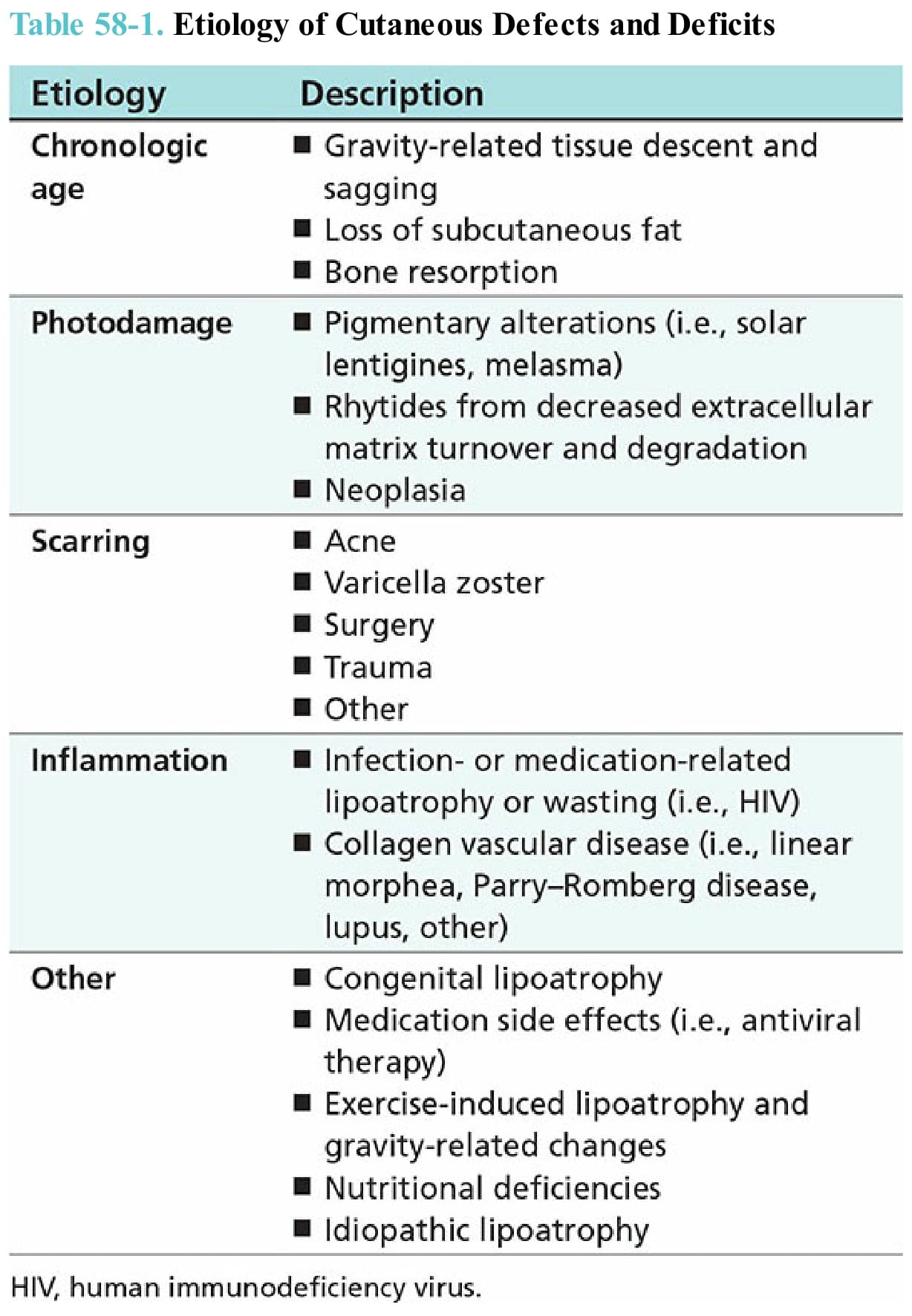
Table 58-1. Etiology of Cutaneous Defects and Deficits
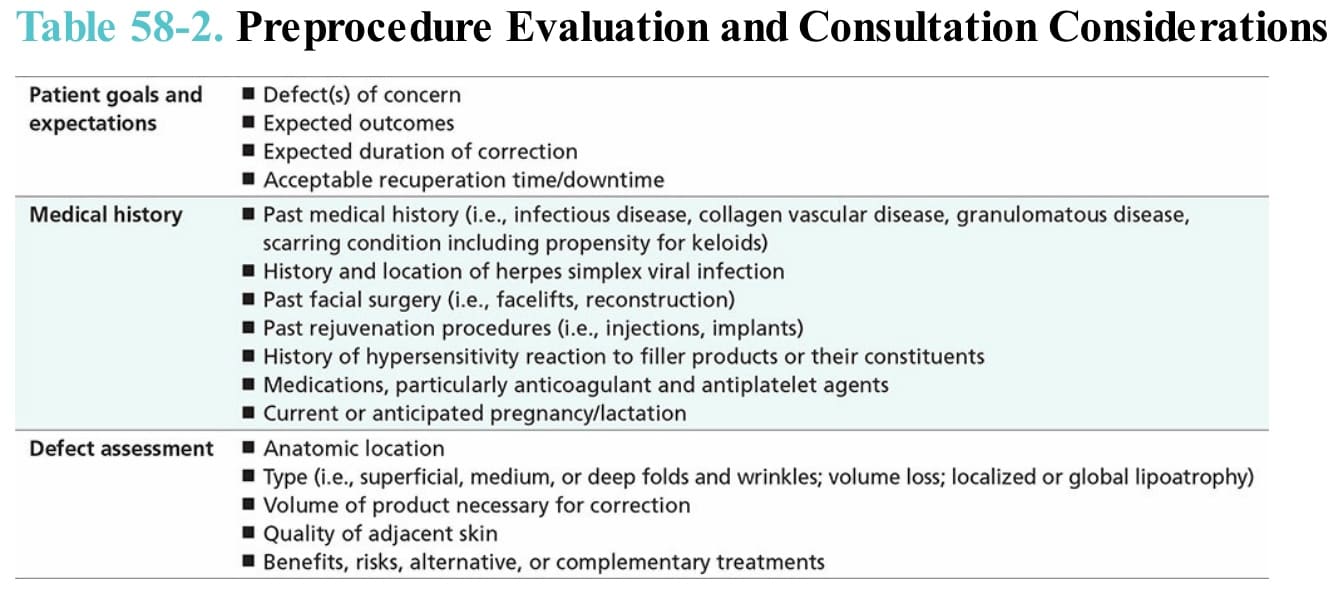
Table 58-2. Preprocedure Evaluation and Consultation Considerations