Preparation
Preparation
The past medical history and list of medications are as important for a cosmetic consult as for any medical visit.10 Whether patients fill out these forms online via a patient portal or in the office, the nurse or medical assistant must review details with the patient to make sure it is complete. The medication list must include both prescriptions and over the counter medications, vitamins, and supplements. Allergies and sensitivities must be noted where they will be visible on each visit. The physician must be aware of the patient’s general health, and any procedure-specific minor or major risks associated with orals, past procedures, or underlying conditions. Patients are generally unaware of the anticoagulant effect of fish oil and baby aspirin, but it can be significant when using injectables.11 Patients with history of herpes simplex virus may require antiviral prophylaxis for facial or genital procedures. A predisposition to keloid formation is a relative contraindication to injecting poly-l-lactic acid and to some surgical procedures, or may require preplanning postprocedure interventions. Radiofrequency or ultrasound heating should not be used over an untreated hernia, and might also be problematic over surgical mesh from a herniorrhaphy. Staff must be aware of procedure-specific concerns and highlight them in the patient record.
Equally important is a detailed history of past cosmetic procedures. Patients frequently forget (or decline) to include cosmetic procedures in their surgical history. Rhinoplasty, even if done 30 years earlier, can have implications on vascular anatomy and, therefore, on safe filler injection. Seeing how a patient healed post rhytidectomy or abdominoplasty is informative. Staff must question patients about prior treatment with botulinum toxin, filling agents, lasers, other energy-based devices, suture or thread lifts, chemical peels, noninvasive fat reduction, and cosmetic surgery. In addition to eliciting approximate dates the procedures were done, questions should include product used, provider of the service or procedure, and patient satisfaction. Most patients do not know the exact filler or toxin injected, but if injection was done by a reputable physician, it is a reasonable assumption that it was FDA-approved and if needed, records can be obtained. The distinction is medically important when planning future treatment: injecting filler over some permanent fillers not available in the United States can ignite an inflammatory, nodular, or infectious reaction. Moreover, for those with excess or inappropriately placed filler, knowing it if it is a hyaluronic acid gel determines whether hyaluronidase injection will be helpful. Finding out whether the
patient was happy with the results—and why—helps the physician determine if realistic expectations can be achieved. The patient’s current skincare regimen and experience with retinoids, hydroquinone, or other common ingredients also should be documented in order to maximize results and for postprocedure instructions.
A cosmetic interest questionnaire that lists problems and procedures the patient wants to discuss helps to streamline the consultation (Fig. 55-1). If appropriate, it allows the nurse, medical assistant, or cosmetic coordinator doing the initial patient interview to begin to review potential procedures offered in the office. An associated question is “why now?” Is the cosmetic improvement being sought to prepare for an upcoming event like a wedding, to recover from a serious life event like a divorce or to feel better after an illness like cancer? This facilitates a smoother visit once the patient is brought in the room.
After review of the medical and cosmetic history and patient’s cosmetic interests, the patient should be prepared for the physician. That may include the patient removing facial makeup, pulling hair away from the face, or changing into an examination gown. Some offices take photos at this time, while others wait until immediately preprocedure. These preparations save time for the physician who can now focus on the patient.
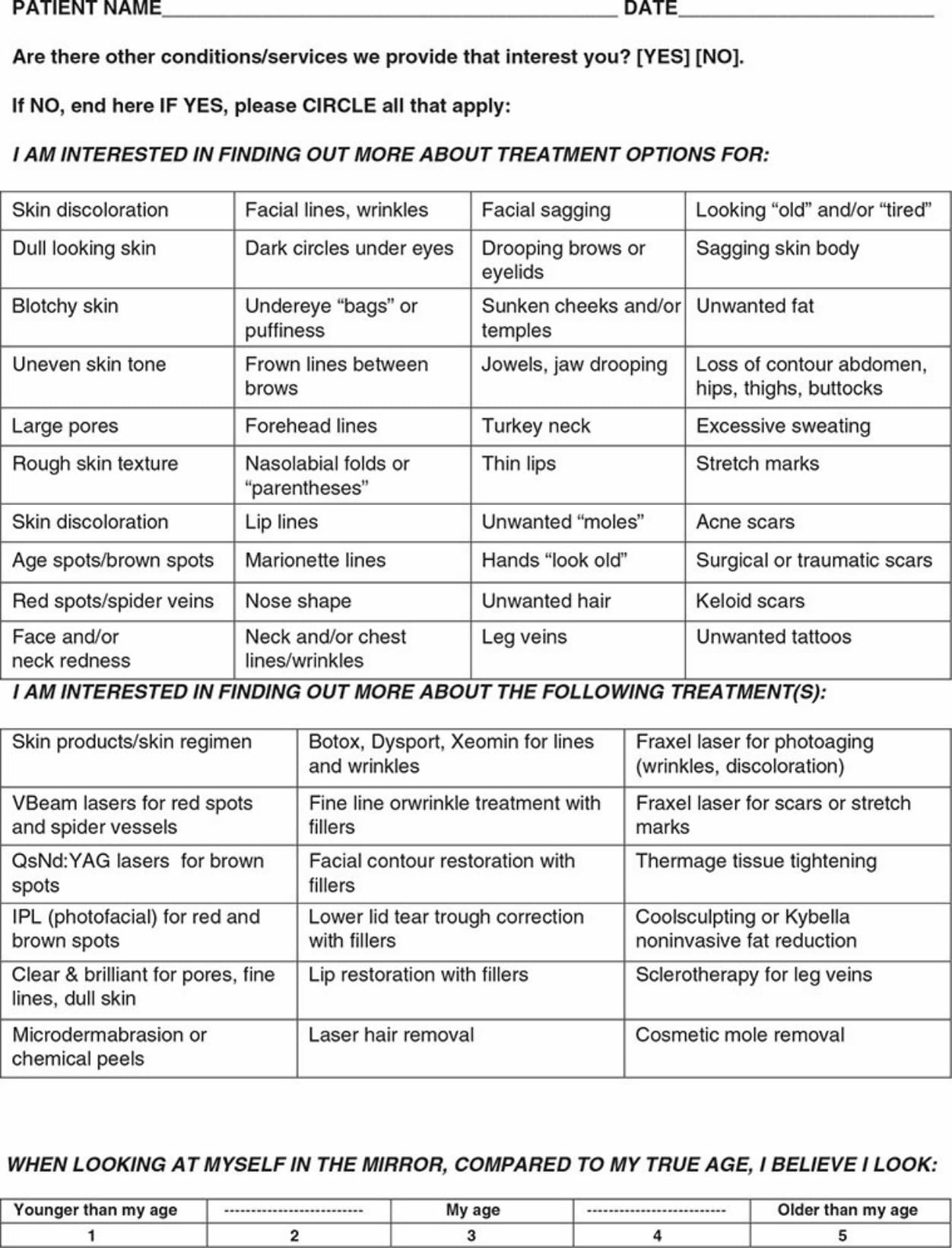
Figure 55-1. The cosmetic questionnaire.