SKIN SUBSTITUTES
SKIN SUBSTITUTES
Introduction
Skin substitutes are utilized as adjunctive therapies in the management of hard-to-heal wounds of varying etiologies.77 Cellular skin substitutes are thought to provide cells and growth factors necessary for normal healing that may be aberrantly regulated in the hostile inflammatory environment of chronic wounds. They also act as temporary scaffolds for cellular migration and proliferation by providing ECM elements to otherwise deficient wounds.78 Skin substitutes can be divided into cellular and acellular matrix products. Cellular matrices, or living skin equivalents, in theory contain a biologic (i.e., animal-, human-, or plant-derived) or synthetic scaffold laden with biologically active allogeneic fibroblasts and/or keratinocytes. Acellular matrices may be synthetic, biologic, or composite, and lack living cells.79,80 Acellular matrices offer the theoretical advantage of being less inflammatory or immunogenic, as they lack cells that may trigger a response leading to graft failure.80 There are numerous, well-studied, and commercially available skin substitutes (Tables 53-1 and 53-2). This section addresses the technique of application of two common products, a bilayered living cellular construct (BLCC, Apligraf®, Organogenesis, Canton, MA) and a porcine small intestine submucosa (PSIS, Oasis®, Smith and Nephew, Largo, FL).
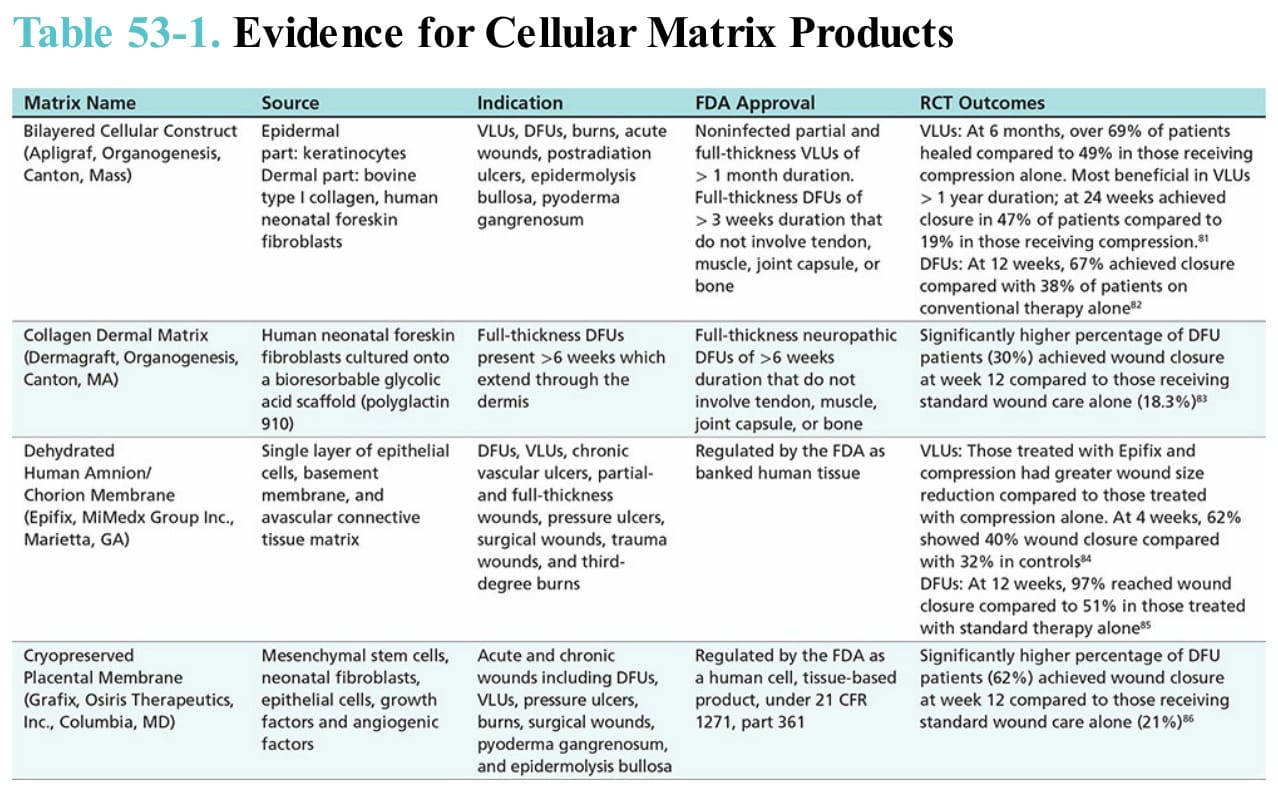
Table 53-1. Evidence for Cellular Matrix Products
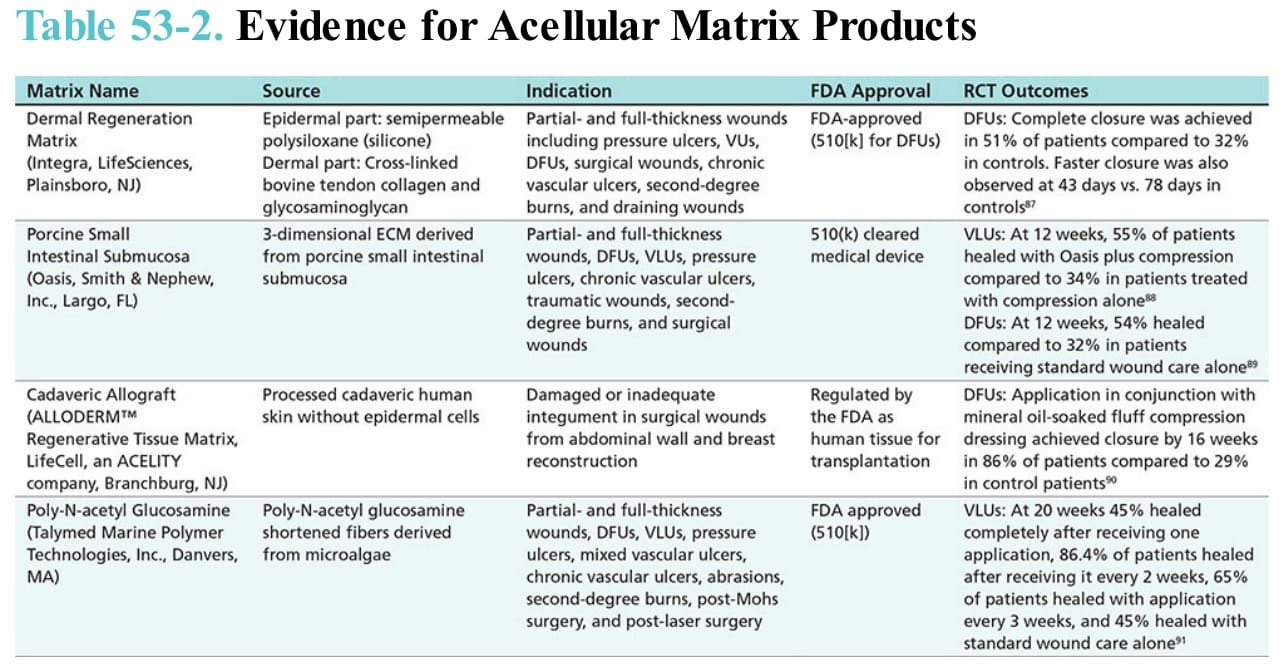
Table 53-2. Evidence for Acellular Matrix Products