Wound Dehiscence
Wound Dehiscence
Wound dehiscence is defined as separation of the epidermal and/or dermal edges of a wound (Fig. 36-5). The most vulnerable period for dehiscence is just after suture removal,99 though wound dehiscence occurs in less than 1% of surgical cases. Anatomic location, but not type of closure, was significantly associated with wound dehiscence (Fig. 36-6). Surgery on the chest, in particular, has a significantly increased risk of dehiscence when compared to other anatomic sites.59 Causes of wound dehiscence include high wound tension, infection, necrosis, residual tumor, suture reaction, trauma to the wound, and poor wound healing secondary to anemia, hypoalbuminemia, diabetes mellitus, renal failure, and steroid use.
Whenever possible, wound dehiscence should aim to be prevented with proper surgical technique and detailed patient education. Removing wound tension through appropriate suturing techniques, closure design, and adequate undermining is key. Infections should be prevented and treated, and every effort should be made to remove residual tumor. The patient should be notified that the tensile strength of a surgical incision is only 10% at 2 weeks postoperatively.99 Appropriate wound care instructions should be provided to the patient including the use of moist occlusion, gentle wound cleansing, and appropriate dressing material use. Patients should also be advised to limit certain activities or exercises that place undue tension on the wound.
The wound may be resutured in cases of early dehiscence due to premature suture removal or trauma without infection.99 The surgeon should remove any devitalized
tissue. The sutures should be removed and the wound explored if there is suspicion for hematoma. If the wound is infected or at a high risk for an infection, healing by second intention is preferred.
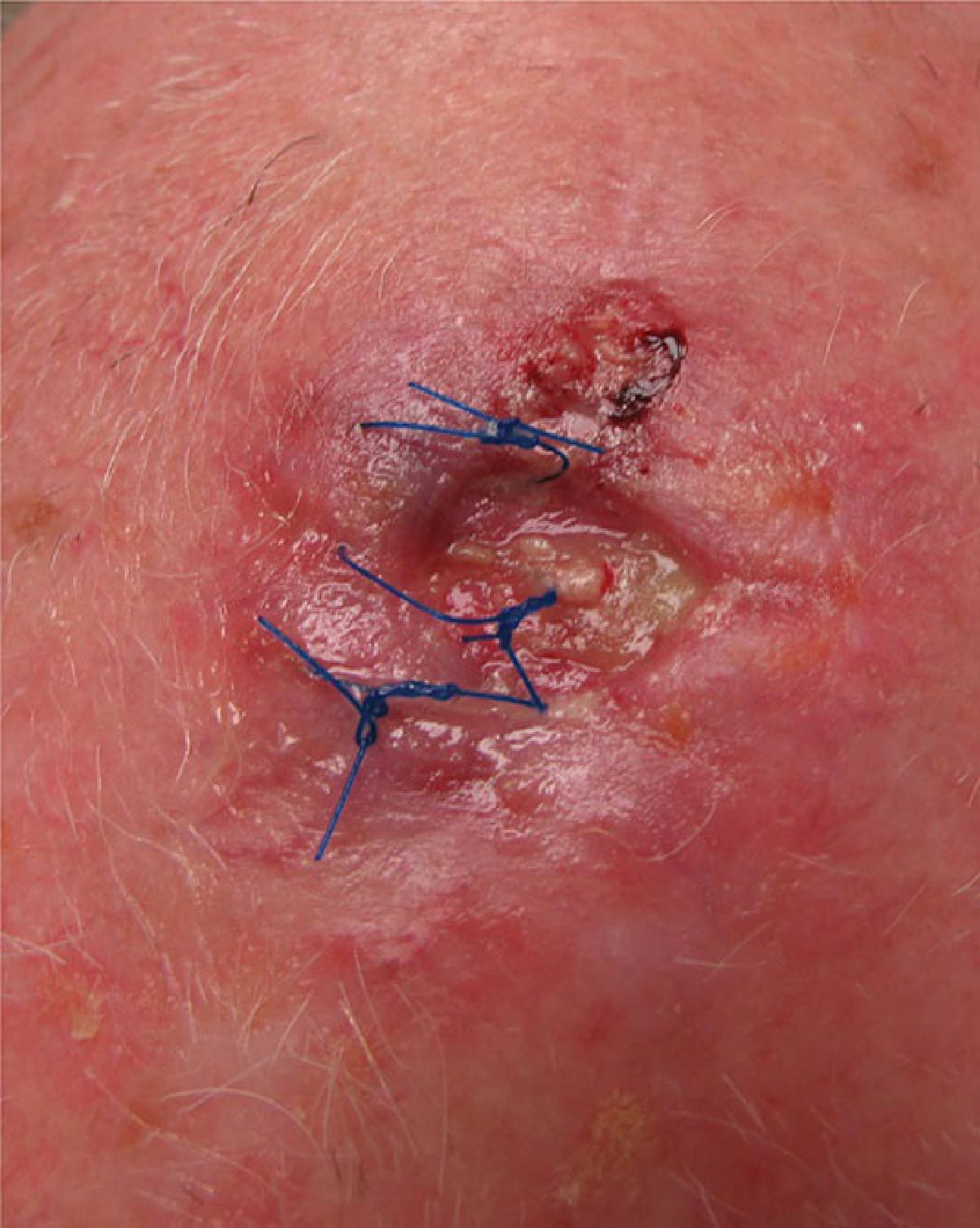
Figure 36-5. Wound dehiscence—epidermal and dermal separation of primary closure.
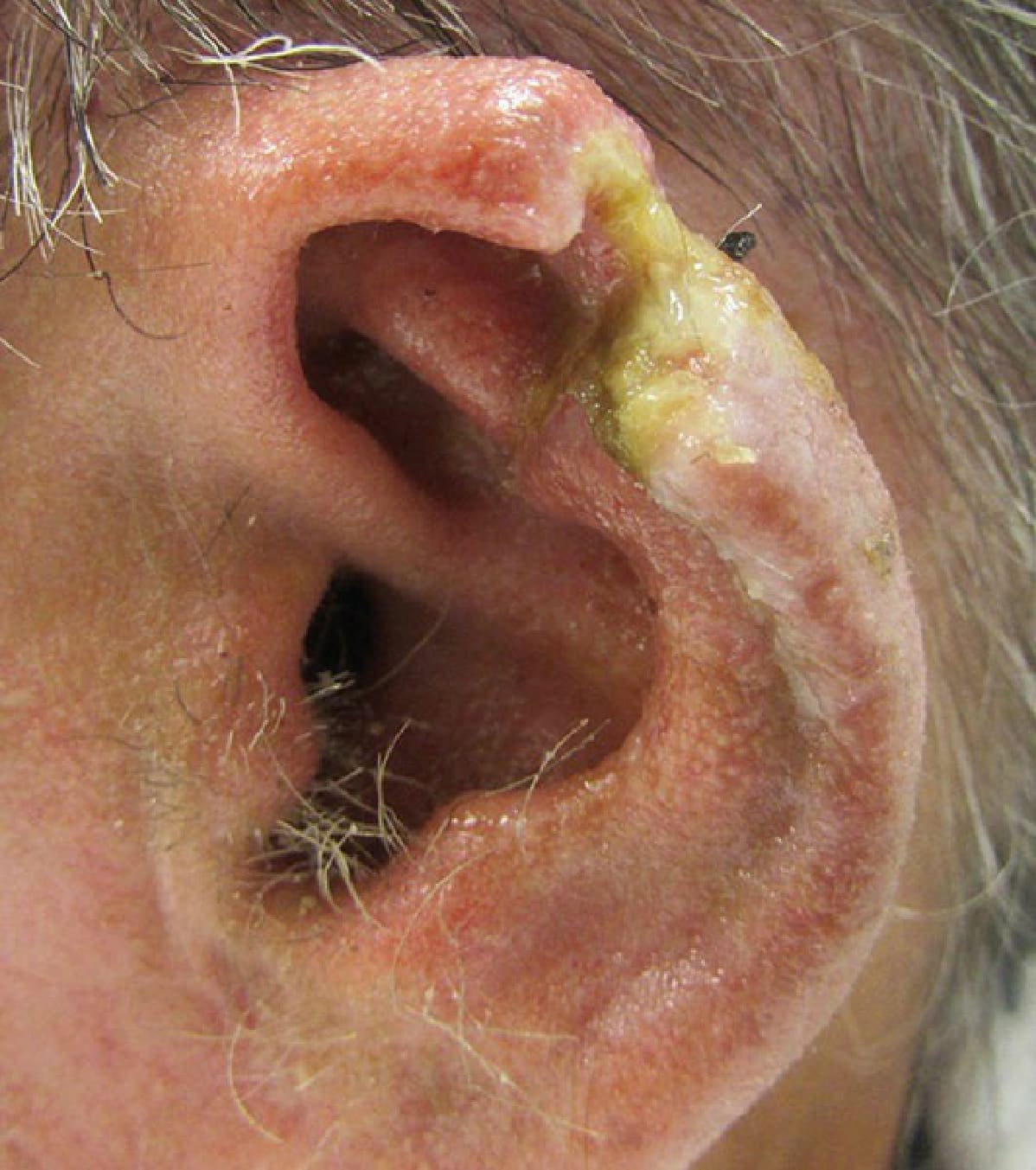
Figure 36-6. Dehiscence of wedge reconstruction on ear.