Prophylactic medications
Prophylactic medications
Indications for antibiotic prophylaxis should be reviewed and prescribed for certain patients at risk for infective endocarditis, hematogenous joint infections, and/or surgical site infections. While Mohs surgery rarely falls into any of the qualifying categories for hematogenous joint or heart valve infections, prophylactic antibiotics are recommended when the surgical site is considered high risk for surgical infection. Sites and locations at high risk for surgical infection include the lower extremities, groin, wedge resection of the lip or ear, skin flaps on the nose, skin grafts, or areas of extensive inflammatory skin disease.19 For most procedures, a first-generation cephalosporin or dicloxacillin is adequate for wound infection prophylaxis (Table 29-2). Antivirals may also be considered if surgery will occur on anatomical sites of prior HSV outbreaks, such as the cutaneous or vermilion lip. Antianxiety medications can be prescribed, but cannot be taken until the patient has consented to the procedure.
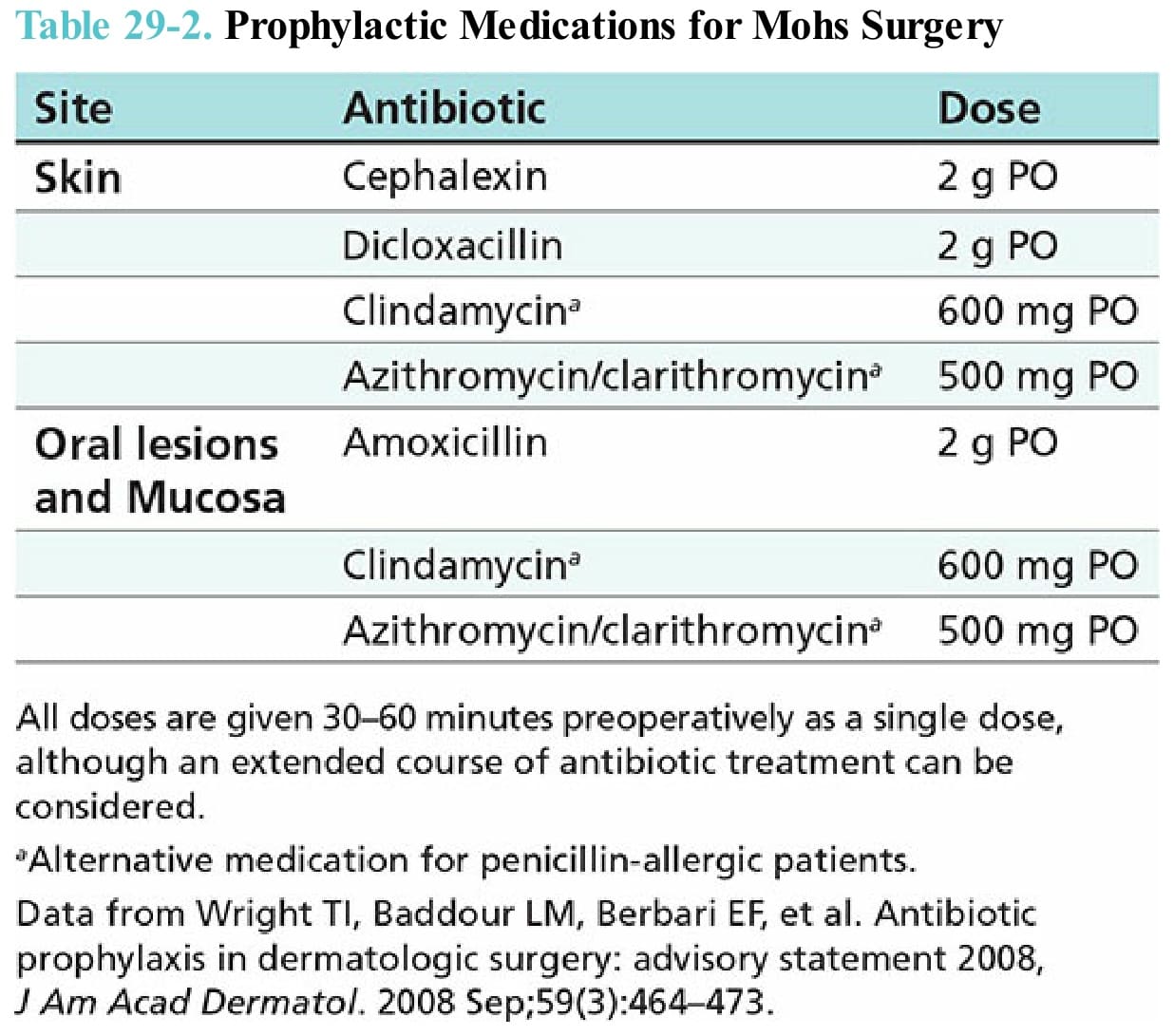
Table 29-2. Prophylactic Medications for Mohs Surgery