Flap elevation
Flap elevation
If the defect extends to other cosmetic subunits, such as the cheek, it is best to repair these separately in order to maintain the natural cosmetic boundaries of the face. After extranasal portions of the defect have been repaired, the forehead is prepped in a sterile fashion and anesthetized. An incision is made on the superior forehead in a subcutaneous plane. The templated portion of the flap is elevated more superficially to minimize the need for pre-inset debulking. Once this distal portion has been elevated, the level of dissection should transition to a deeper plane, just above the periosteum. Including frontalis muscle (and possibly galea) in the pedicle of the flap minimizes the risk of transecting the supratrochlear artery and ensures an adequate vascular supply.10 Once elevated, the flap should drape over the defect without tension (Fig. 26-5).
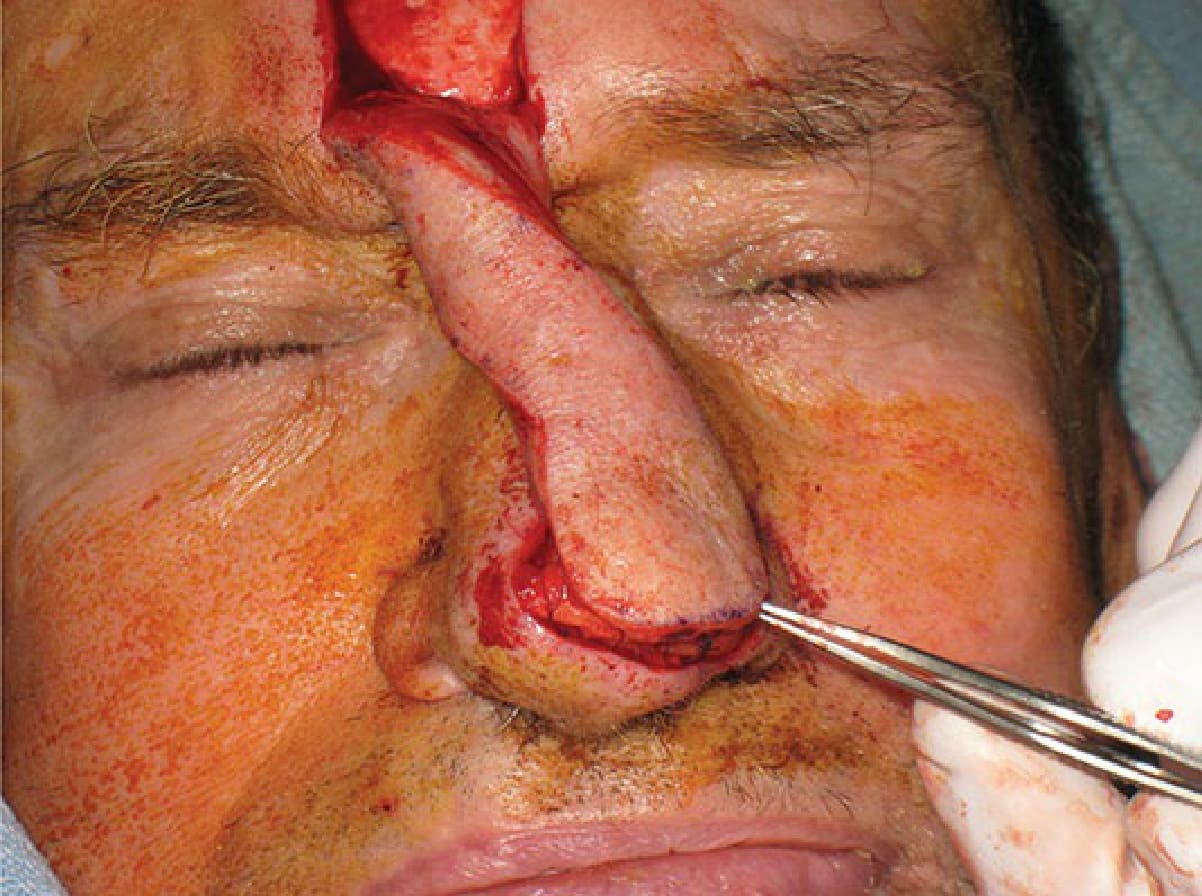
Figure 26-5 The flap drapes over the defect with no tension.