Initial design
Initial design
The key to success of any flap is precise design. The lobes should be equal in width to that of the defect. Deviation from this will induce movement in the skin and subcutaneous tissue surrounding the primary defect. On the nose, lobes should be drawn until the final lobe is directed completely vertically. Off the nose, closure of the tertiary defect should be along relaxed skin tension lines. In all locations, closure of the tertiary defect should utilize existing laxity, and not cause distortion of surrounding tissue.
Importantly, bilobed flaps on extranasal locations do not include muscle; therefore, by definition, they have a less robust vascular supply than seen on the nose. Though Cook has recommended an inferiorly based pedicle to facilitate drainage and decrease pincushioning,30 the location typically dictates the orientation of the flap: the flap should be designed so that closure of the tertiary defect results in a line along relaxed skin tension lines. Table 24-1 is a summary of common pitfalls and remedies regarding the use of bilobed flaps.
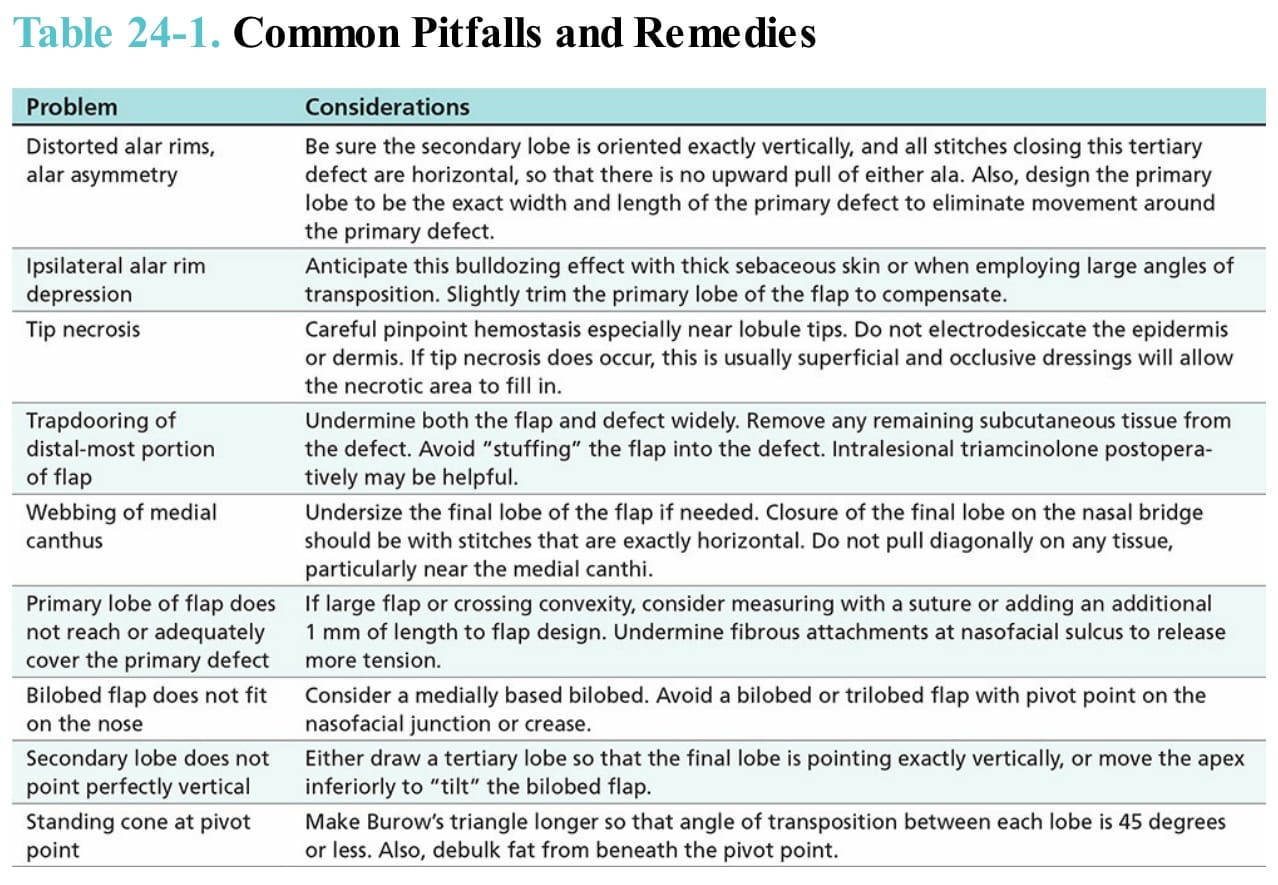
Table 24-1. Common Pitfalls and Remedies