S-plasty
S-plasty
The S-plasty variation of the linear repair is useful for closures over convex surfaces. Given the tendency for linear closures to contract during wound healing, straight-line repairs may lead to scar contraction over convexities that is particularly visible as scar maturation occurs. By lengthening the overall scar length—and particularly extending the scar length over the convexities—the S-plasty may result in better long-term cosmesis for these repairs.
Some authors have advocated the S-plasty as a technique for all closures, arguing that the extended scar leading to decreased lateral contraction may ultimately provide a superior cosmetic result even in the absence of a convexity.59 This theoretical benefit should be weighed against the desire for a straight-line linear repair. Some variations of the S-plasty use shortened or differentially angled arms to reduce the overall incision length, or rely on suturing techniques to add curvature to an otherwise linear repair.10
When orienting the S-plasty, the curved tips of the repair should follow the RSTLs as much as possible. All S-plasty repairs should be conceptually repaired using the rule of halves, which in practice requires that all sutures are placed perpendicular to the excision (Figs. 18-23 through 18-26). If this is not done, a defect incised as an S-plasty may ultimately appear as a longer straight line.
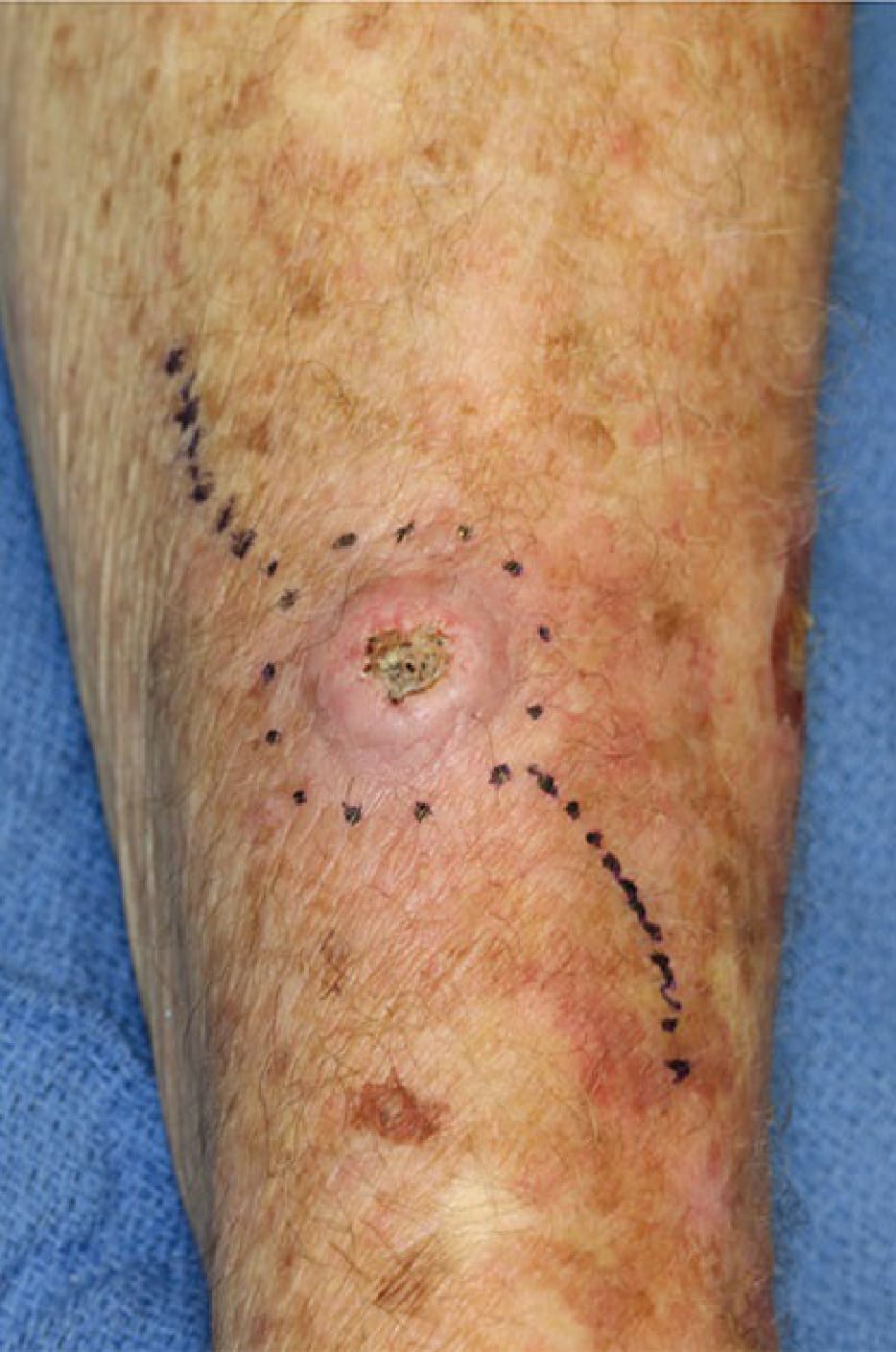
Figure 18-23. An S-plasty may be used when working over a convex surface, such as the forearm.
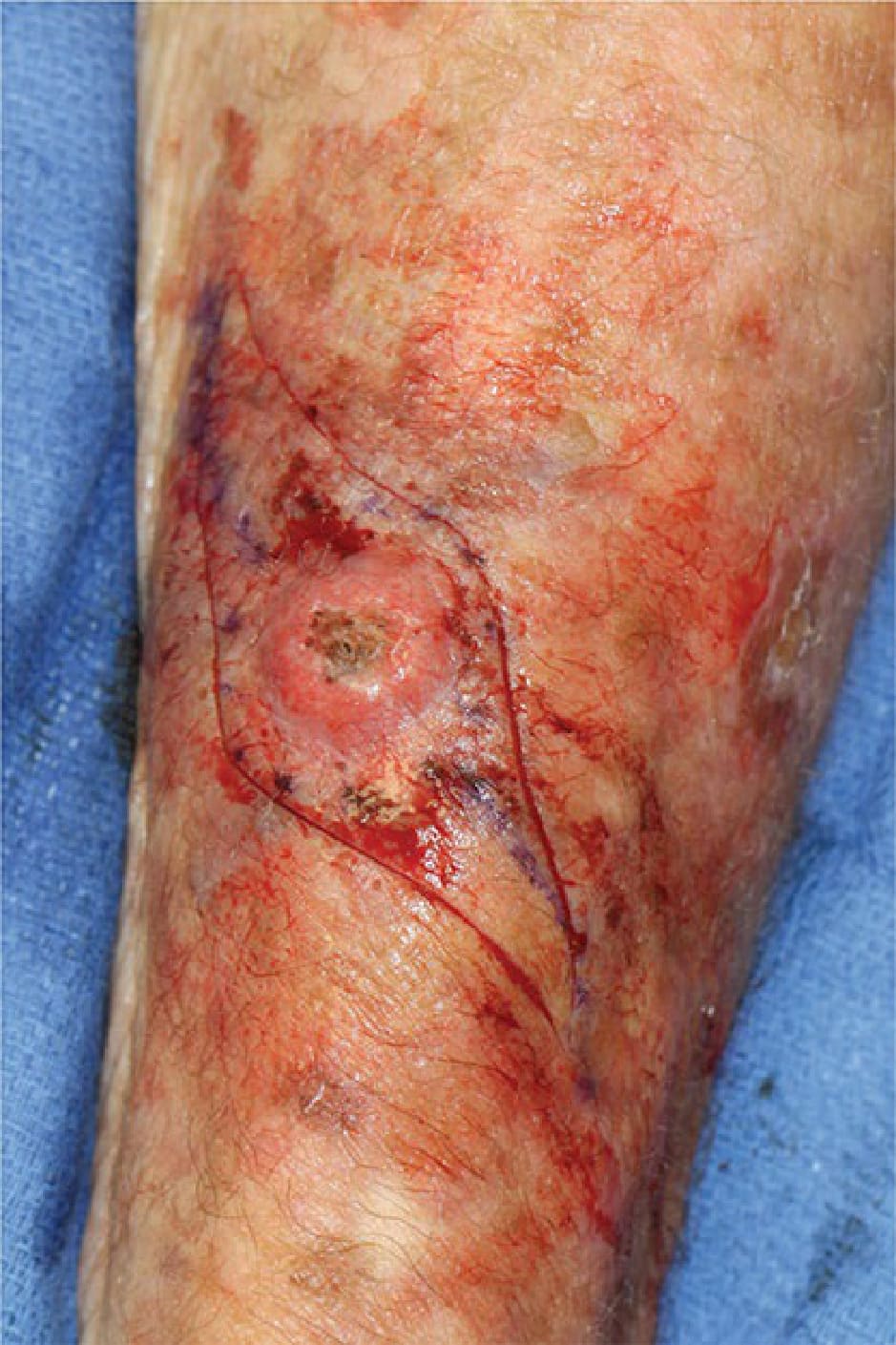
Figure 18-24. The S-plasty incision is made to a uniform depth.
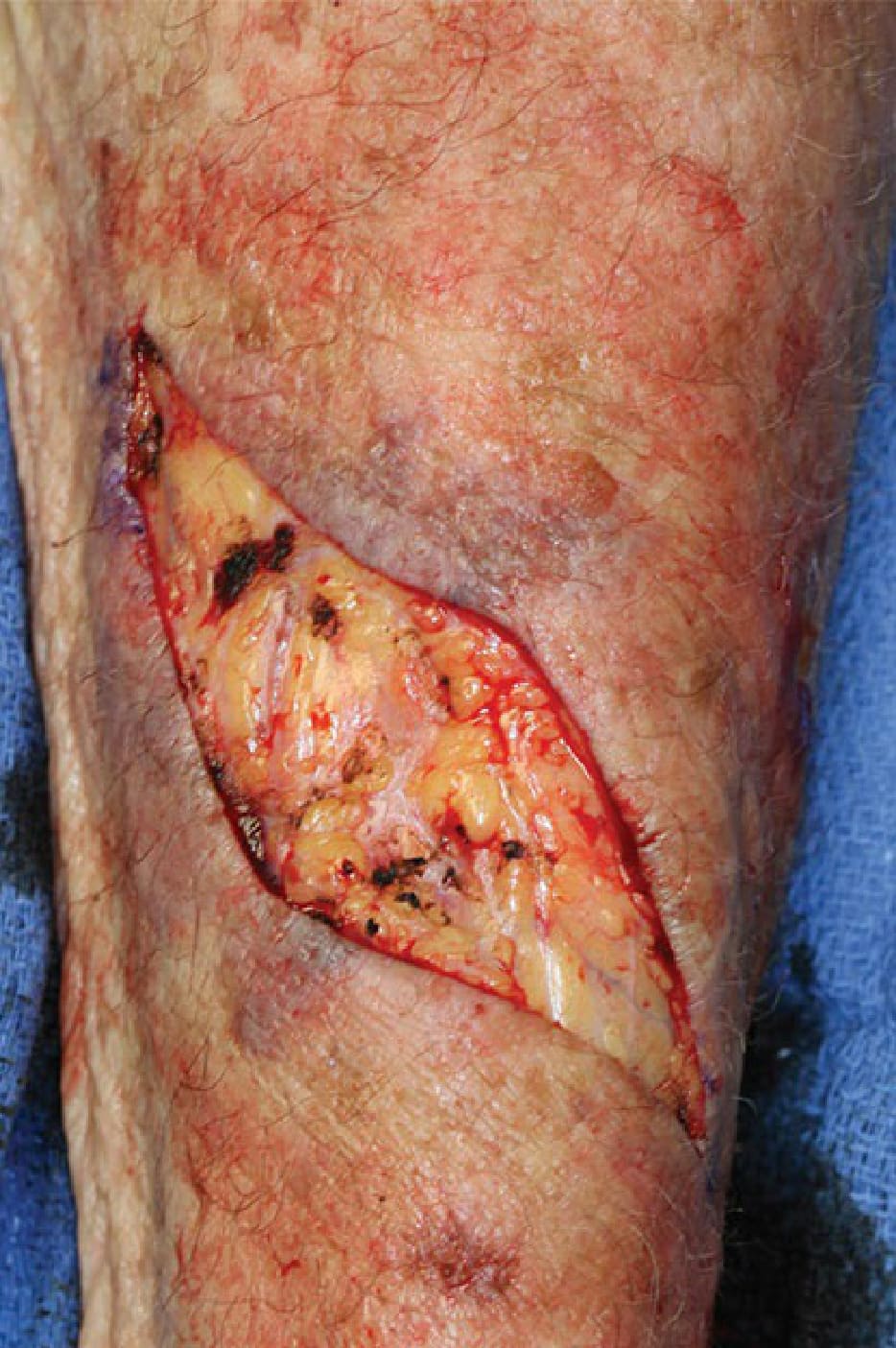
Figure 18-25. The excision is performed leaving an elongated S-shaped defect.
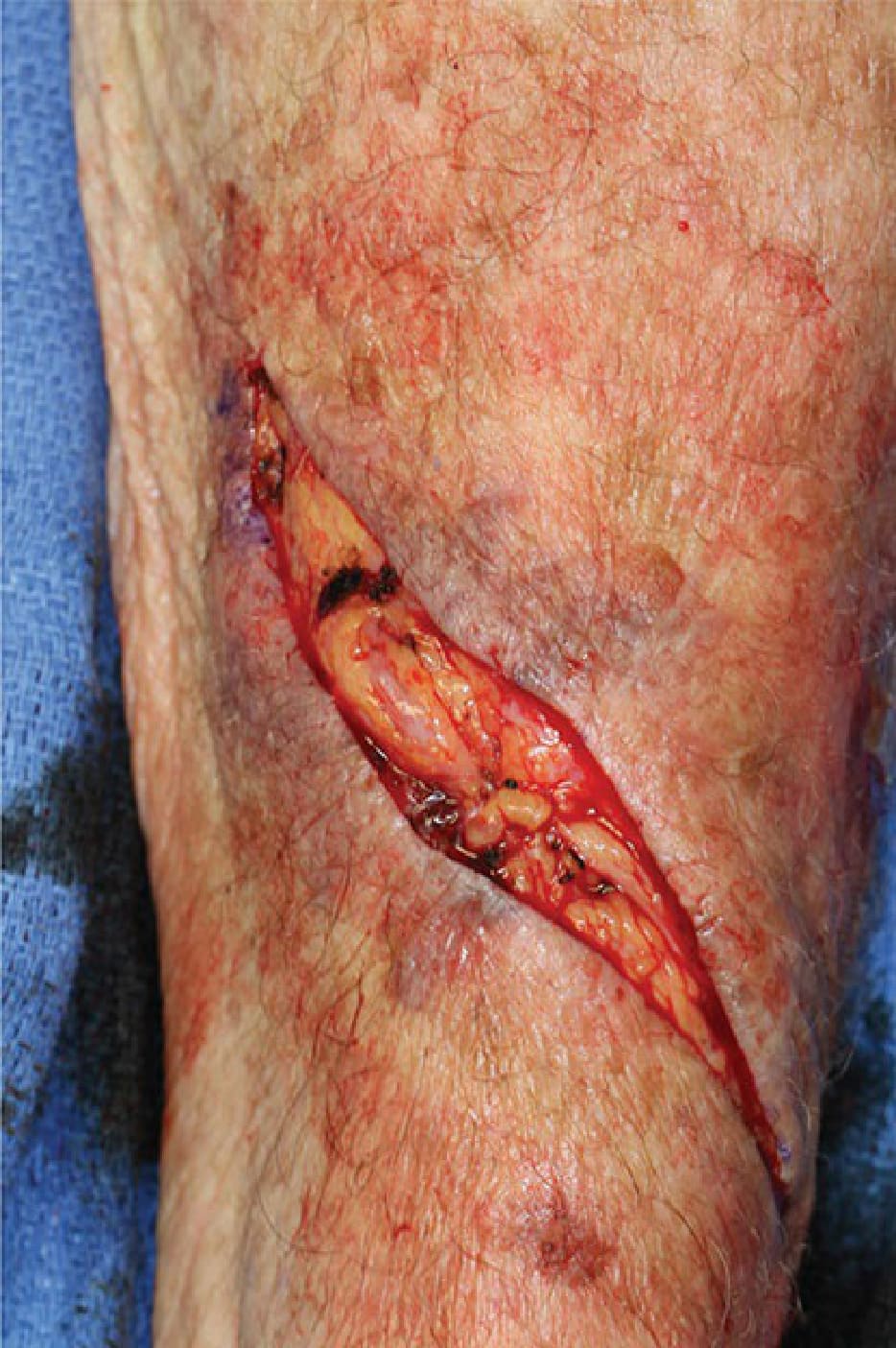
Figure 18-26. A fascial plication suture may be used to reduce tension and increase the apical angles.