INSTRUMENTS
INSTRUMENTS
There are a variety of methods that may be used to apply liquid nitrogen. The most common of these in dermatologic settings is the use of a handheld spray unit (Fig. 15-1). These units are available in multiple sizes and with several modifications that allow cryogen delivery to be tailored according to circumstance. Techniques of spray delivery include direct application to the center of a lesion, a spiral pattern that begins in the center and radiates outward, and a “paintbrush” pattern in which the nozzle is moved back and forth from one side to another. Various tips are available for these units (Fig. 15-2). Devices such as an insulated plastic cone may be used in conjunction with the spray method to increase the concentration of liquid nitrogen applied to a particular location. The cone is placed directly onto the skin, and enhances both the rate and depth of freezing.
To increase both the depth and lateral extent of freezing, cryoprobes may be used. Cryoprobes are tips cooled by circulating cryogen that can be inserted directly into the skin. They are available in a variety of shapes and sizes, and are particularly useful for treating sebaceous hyperplasia and small vascular lesions. Additionally, cryoprobes are well suited to treat small tumors on the eyelid or lip where fine-tuned control of cryogen delivery is essential.6
A variation of the probe technique, the intralesional cryoneedle, may be useful for solid masses. This device can be passed through a tumor until the tip reemerges on the opposite side. Liquid nitrogen is circulated through the lumen of the needle, forming an ice cylinder in the surrounding tissue that expands circumferentially. The advantage of this technique is that colder temperatures may be applied directly to deeper structures, rather than the skin surface.7 This method may be especially useful for the treatment of hypertrophic scars and keloids.8
The dipstick method, in which a cryogen-soaked cotton swab is applied directly to the skin, may also be useful. This technique is most suitable for the treatment of benign, superficial lesions, as the maximum depth of freezing achieved is 2 to 3 mm.
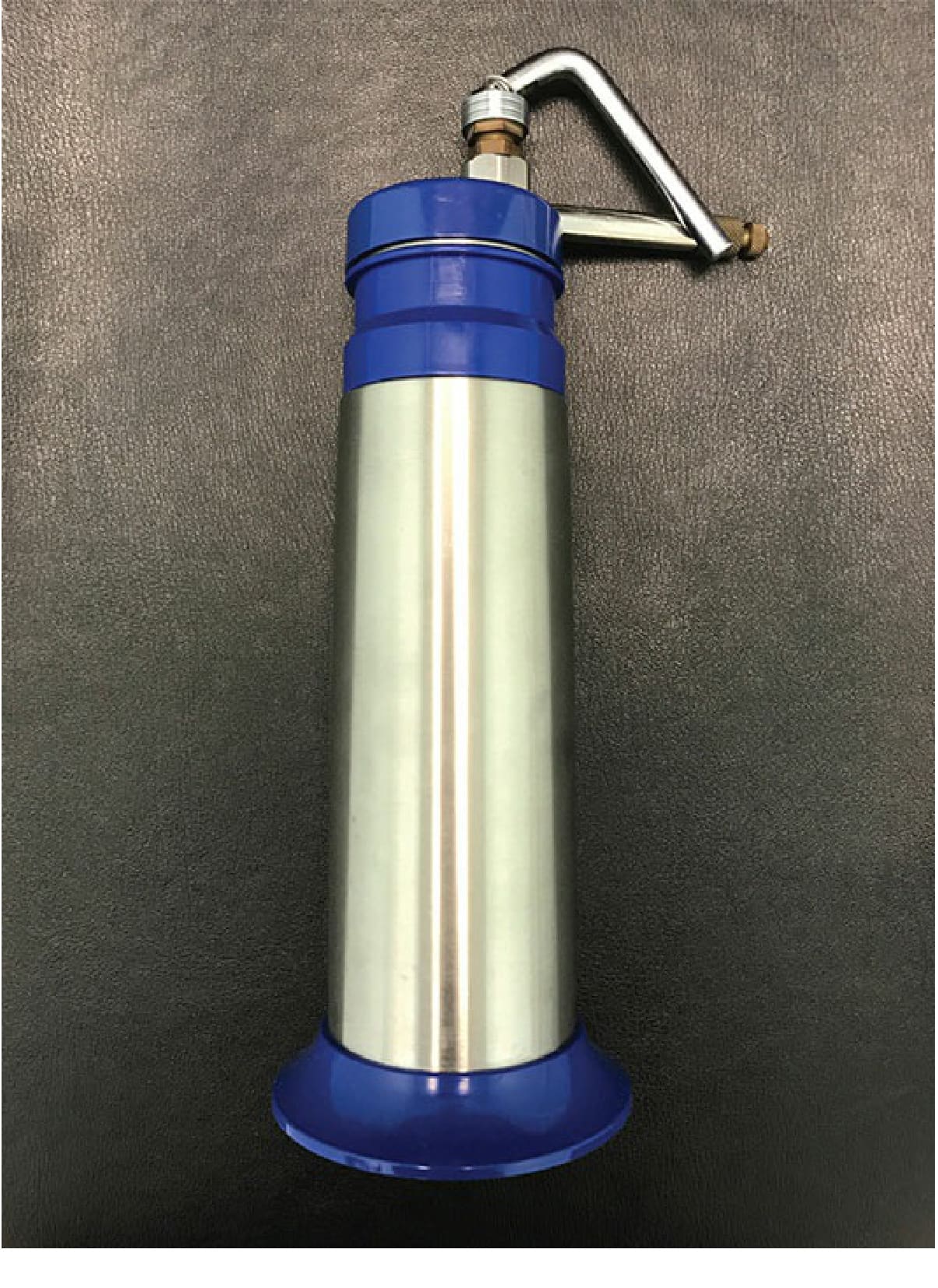
Figure 15-1. The liquid nitrogen spray unit.
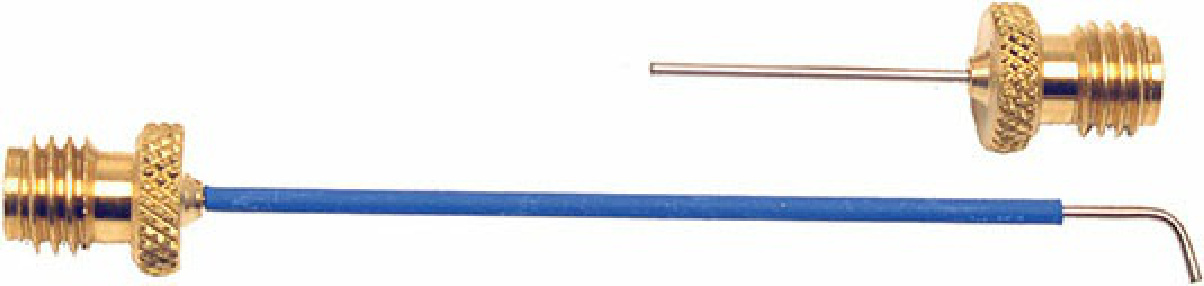
Figure 15-2. Various tips are available for the units.