Pulley variations
Pulley variations
Pulley (or double) variations are available for most buried suturing techniques. Typically, pulley variations confer two central advantages: they permit the closure of high-tension wounds, where the mechanics of a pulley allow straightforward woundedge approximation, and they typically lock in place immediately, obviating the need for an assistant. Frequently used approaches include the pulley buried vertical mattress suture (Figs. 13-12 through 13-15)16–19 and the pulley set-back suture (Figs. 13-16 through 13-19).20
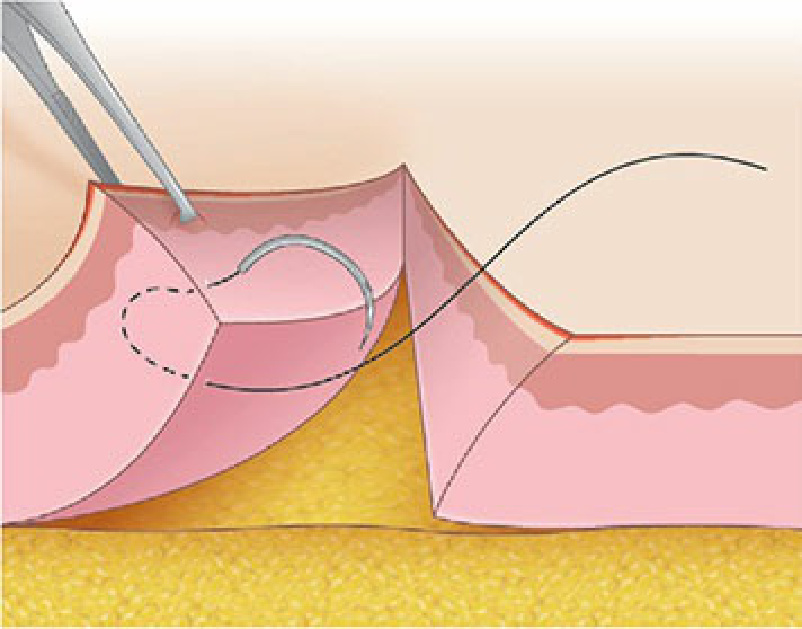
Figure 13-12. The pulley buried vertical mattress suture. The needle is inserted through the dermis, angling upwards and outwards before exiting at the incised wound edge.
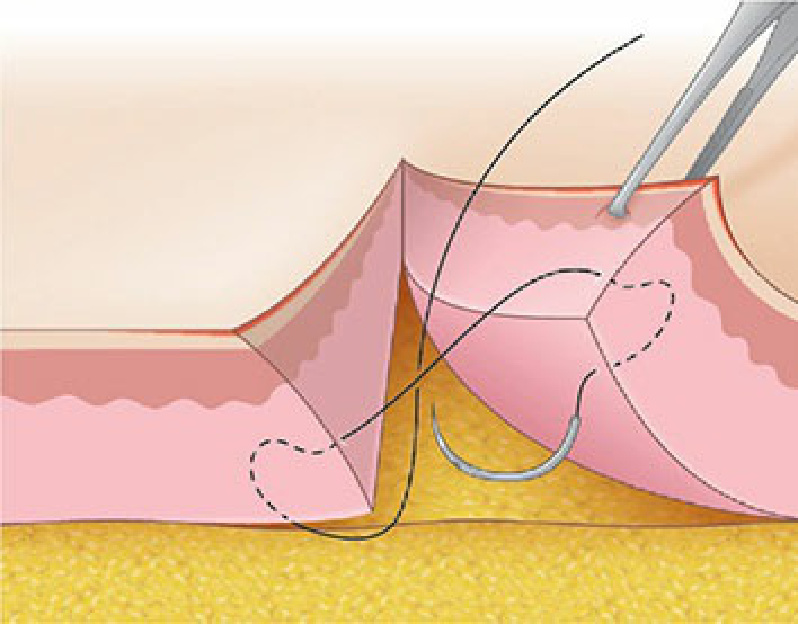
Figure 13-13. The needle is then inserted through the incised wound edge on the contralateral side, again moving superolaterally before exiting deep.
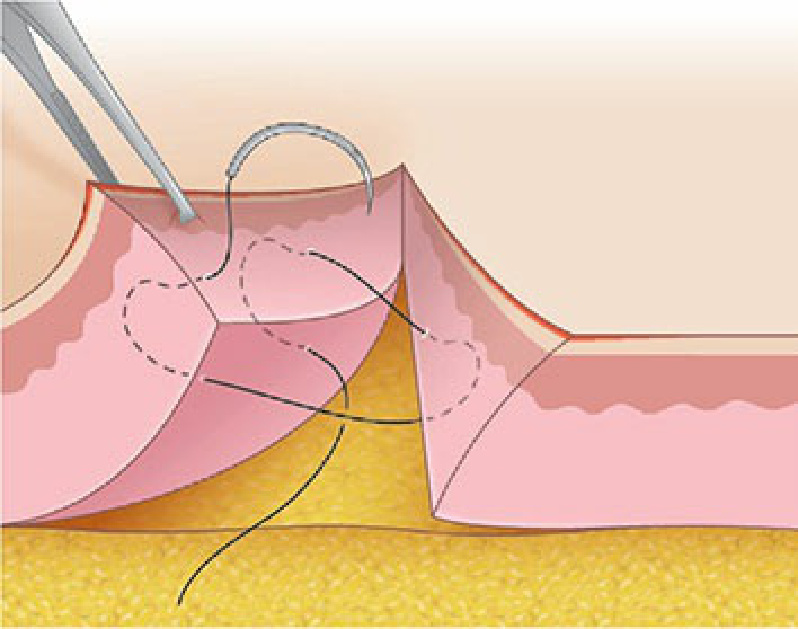
Figure 13-14. Keeping the tail of the suture deep to the suture throws and toward the surgeon, the first step is then repeated, with the needle entering deep and exiting at the incised wound edge.
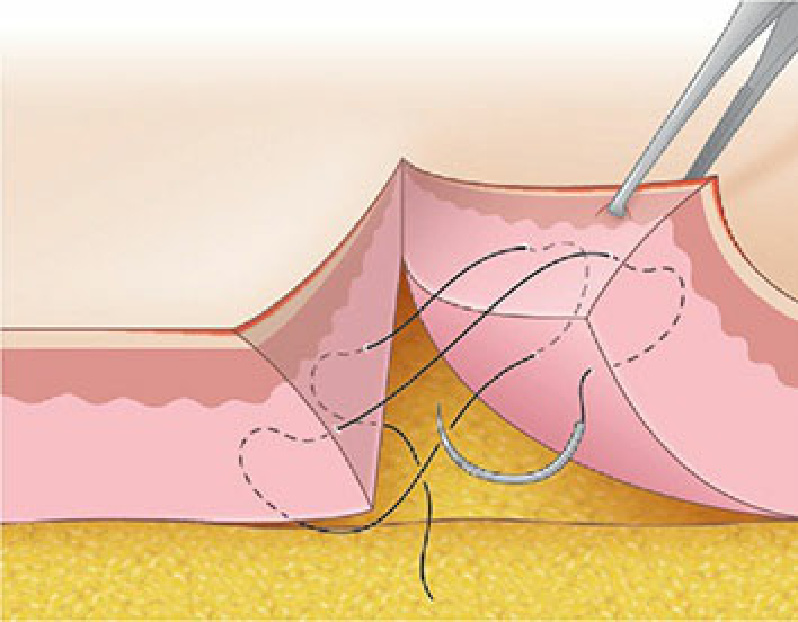
Figure 13-15. Again with the tail deep, the needle is inserted through the incised wound edge on the contralateral side.
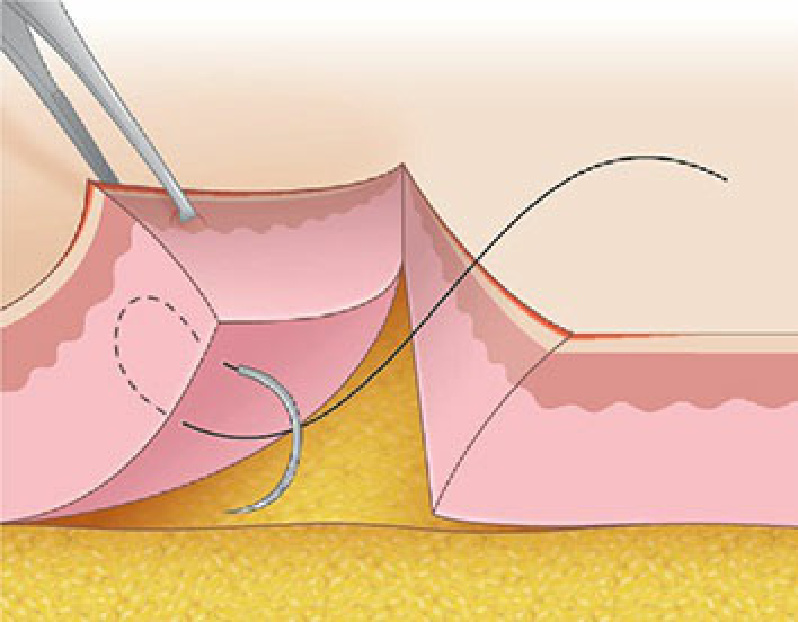
Figure 13-16. The pulley set-back dermal suture. The needle is inserted through the underside of the dermis, exiting the underside of the dermis closer to the incised wound edge but still set back from the incised wound edge.
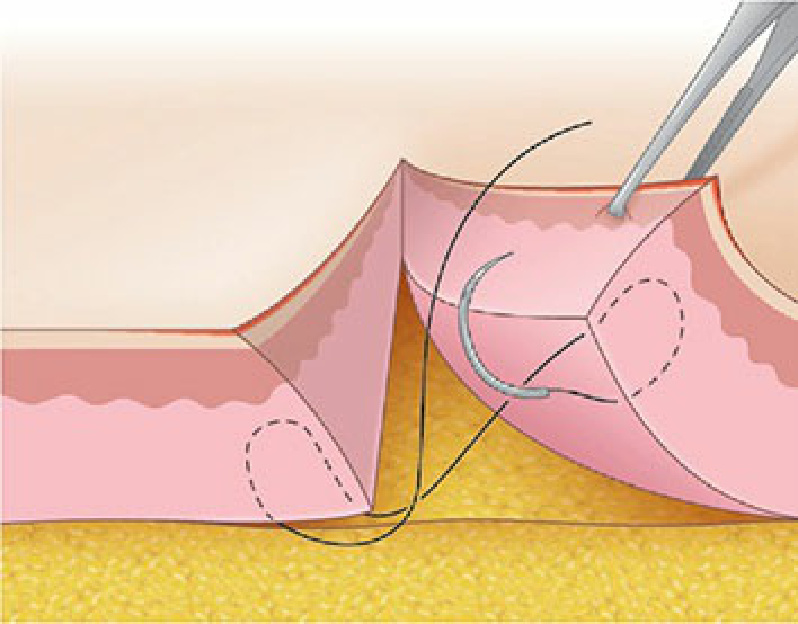
Figure 13-17. The needle is then inserted through the underside of the dermis on the contralateral wound edge, exiting further away from the incised wound edge on the undersurface of the dermis.
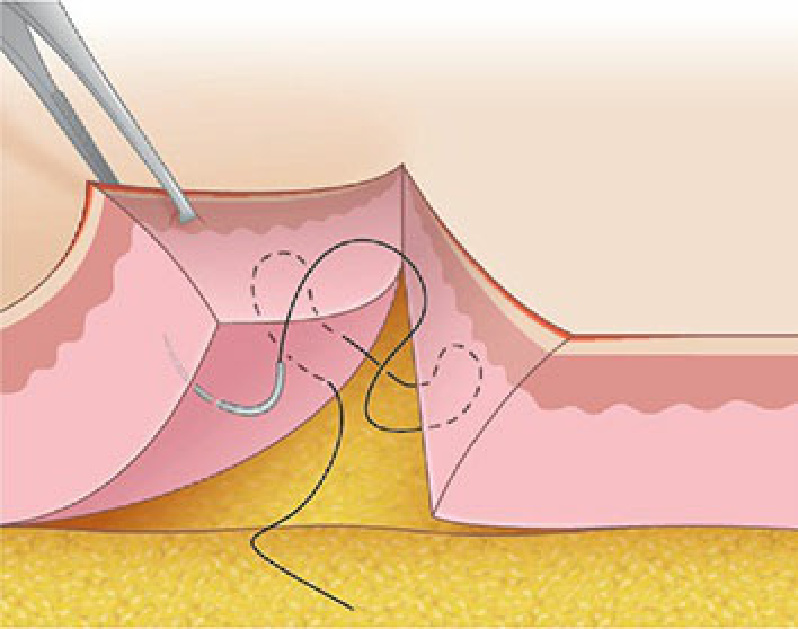
Figure 13-18. With the loose end of the suture material deep to the active sutures and resting between the surgeon and the needle driver, the needle is then reinserted through the undersurface of the dermis.
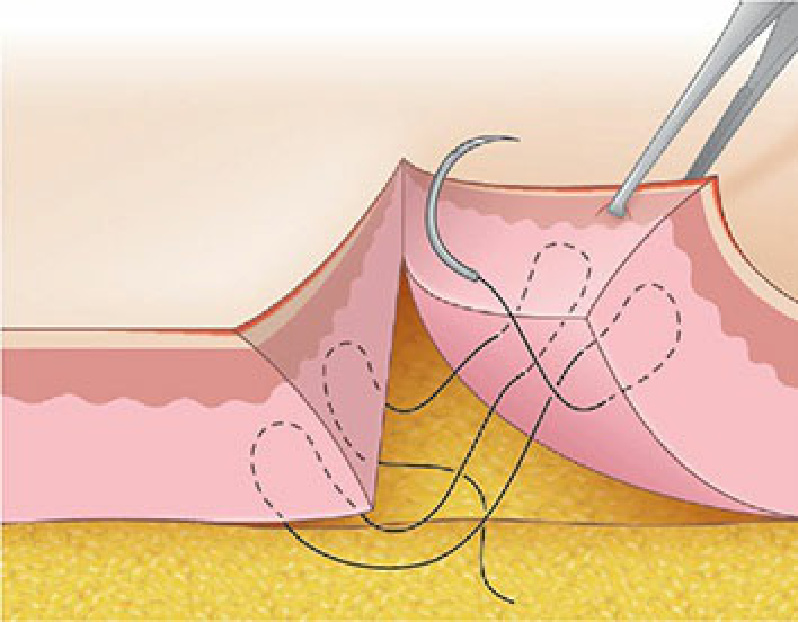
Figure 13-19. The procedure is again repeated on the contralateral wound edge.