Methemoglobinemia
Methemoglobinemia
Methemoglobinemia is the process in which hemoglobin is oxidized to a non–oxygencarrying state instead of oxygen-carrying reduced state.5,6 Benzocaine and prilocaine are most often associated with methemoglobinemia.6 Infants and children are more susceptible to hemoglobin oxidation given that they may have more susceptible hemoglobin F, have less reductive enzymes, and a lower body weight.5,6,112 Other risk factors for methemoglobinemia include glucose 6-phosphate dehydrogenase deficiency, methemoglobin reductase deficiency, and use of medications such as antimalarials and sulfonamides (Table 12-14).5,130 Rare cases have also been reported with EMLA cream.5,112
When evaluating and treating methemoglobinemia, it is important to recognize that conventional pulse oximetry is unreliable.5,6 The presence of cyanosis without the presence of cardiorespiratory disease is a strong clinical indicator.6 Actual blood levels of methemoglobin or arterial blood gases are required for accurate diagnosis.6
Methemoglobin levels below 30% can be managed with observation, oxygen, and the elimination of further local anesthetic delivery.5,6,125 Higher methemoglobin levels may require IV methylene blue administered at a 1- to 2-mg/kg dose.5,6 In those with G6PD deficiency, methylene blue is contraindicated, though ascorbic acid and/or hemodialysis can be utilized.5,6,125,130
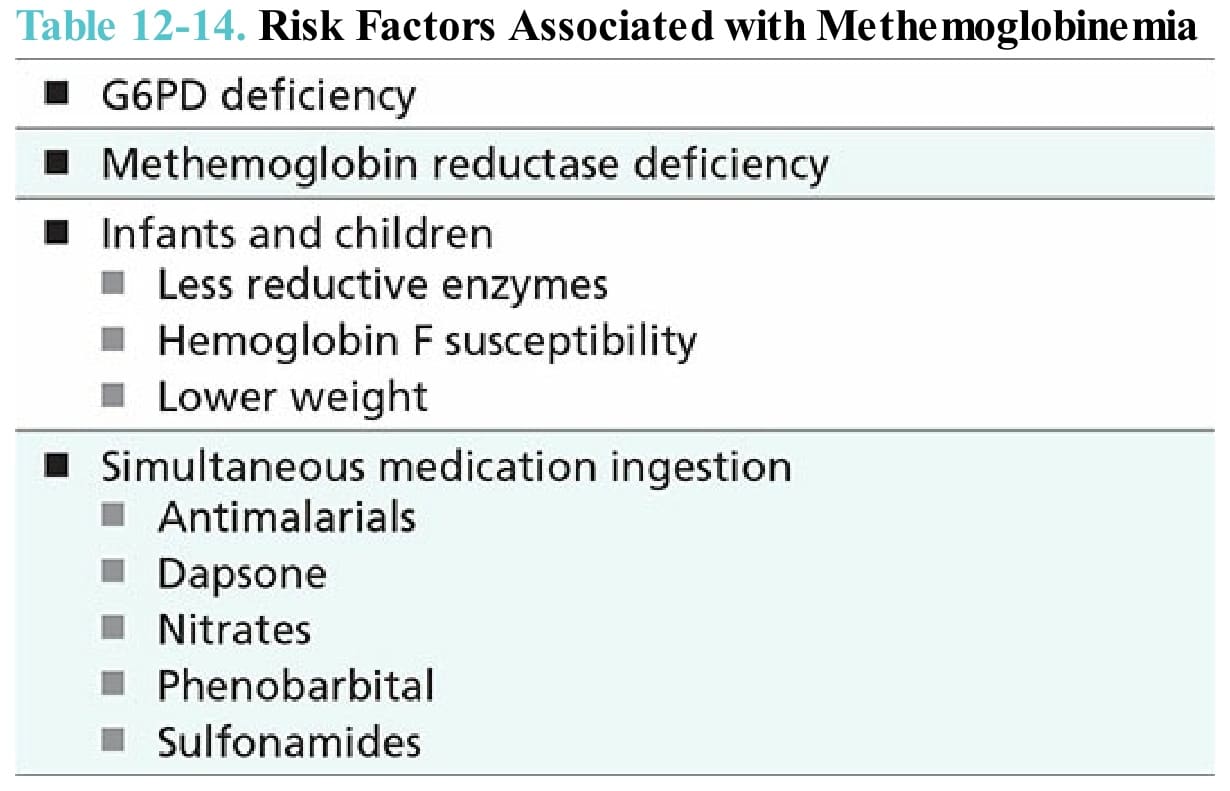
Table 12-14. Risk Factors Associated with Methemoglobinemia
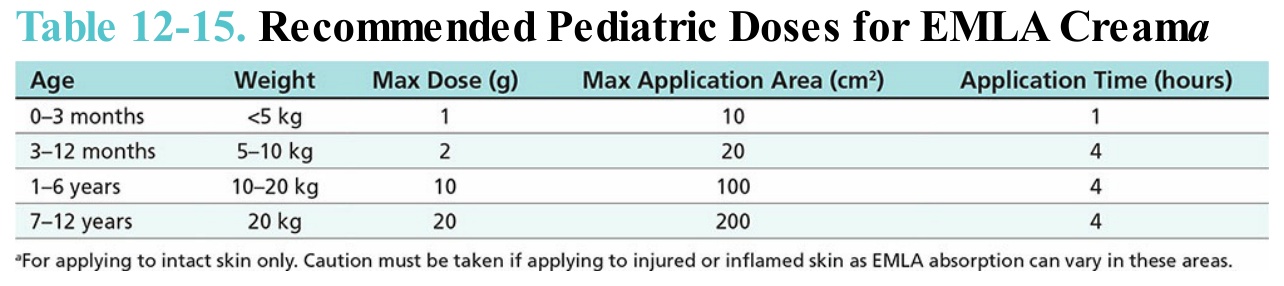
Table 12-15. Recommended Pediatric Doses for EMLA Creama