Needle drivers
Needle drivers
Needle drivers, or holders, are clamped instruments intended to hold a surgical needle securely when suturing. When closed, a ratchet activates to grip the needle without effort. To release the clamp, the handles are separated laterally. Designed similarly to scissors, these are available in varied weights, handle lengths, tip shapes, and tip materials. While designs vary, the smallest instrument that can be comfortably used to execute the task is recommended. Further, smaller needle drivers are optimized to hold smaller needles, and may be damaged by larger needles, while larger drivers are intended to hold larger needles, and may bend smaller ones.
The jaws of a needle driver may be smooth or have fine teeth or ridges. Small teeth may assist in gripping the needle, but may also damage the suture material during handling and tying. Horizontal ridges may be found in other needle driver jaws. These are intended to keep the surgical needle from twisting. However, fine sutures may pass through these ridges when gripping the suture to perform an instrument tie. Roughsurfaced tungsten carbide inserts are available to improve instrument durability and increase needle grip. These are also replaceable. As usual, these instruments are denoted by gold handles, and are more expensive than other options.
The eponymous Webster, Halsey, Baumgartner, Crile–Wood, and Mayo drivers are
most commonly used in dermatologic surgery (Fig. 5-14). These are similarly shaped, with long handles and short tips. They are available in various weights and lengths to optimize needle handling and physician comfort. Most are available with each of the above-discussed tip types.
For more delicate procedures, particularly on eyelids, Castroviejo needle holders may be used. Similar to the Castroviejo scissor, these are delicate spring-loaded
instruments. Unlike most needle drivers, these are available in both locking and nonlocking variants.
The Olsen–Hegar needle holder contains a scissor just proximal to the needle holding jaws (Fig. 5-15). These are often favored by a surgeon working without assistance. It may be used to suture and cut suture without changing instruments. However, care must be taken to avoid cutting the suture material accidentally while working.
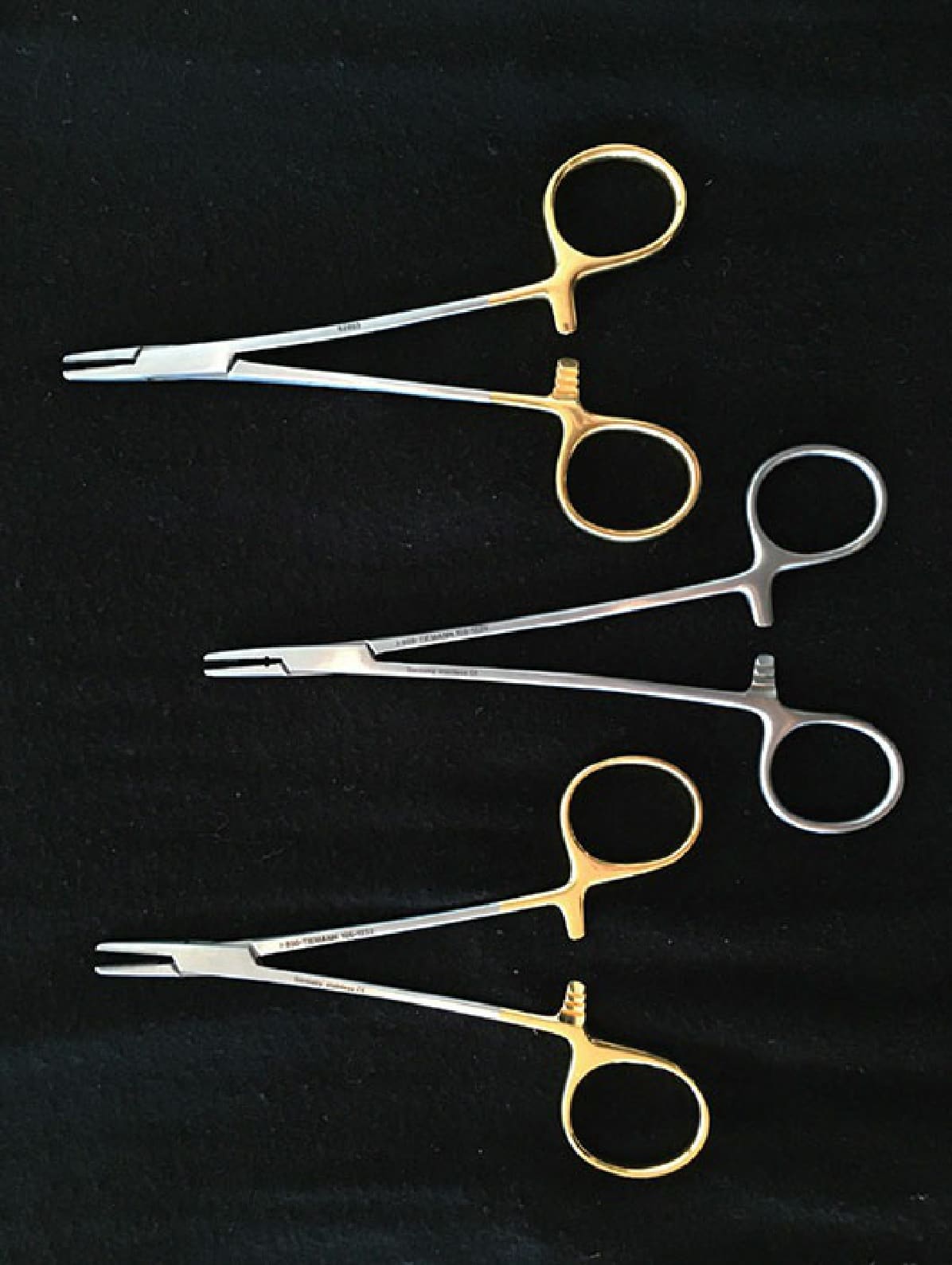
Figure 5-14. A variety of needle drivers are available for dermatologic surgery.
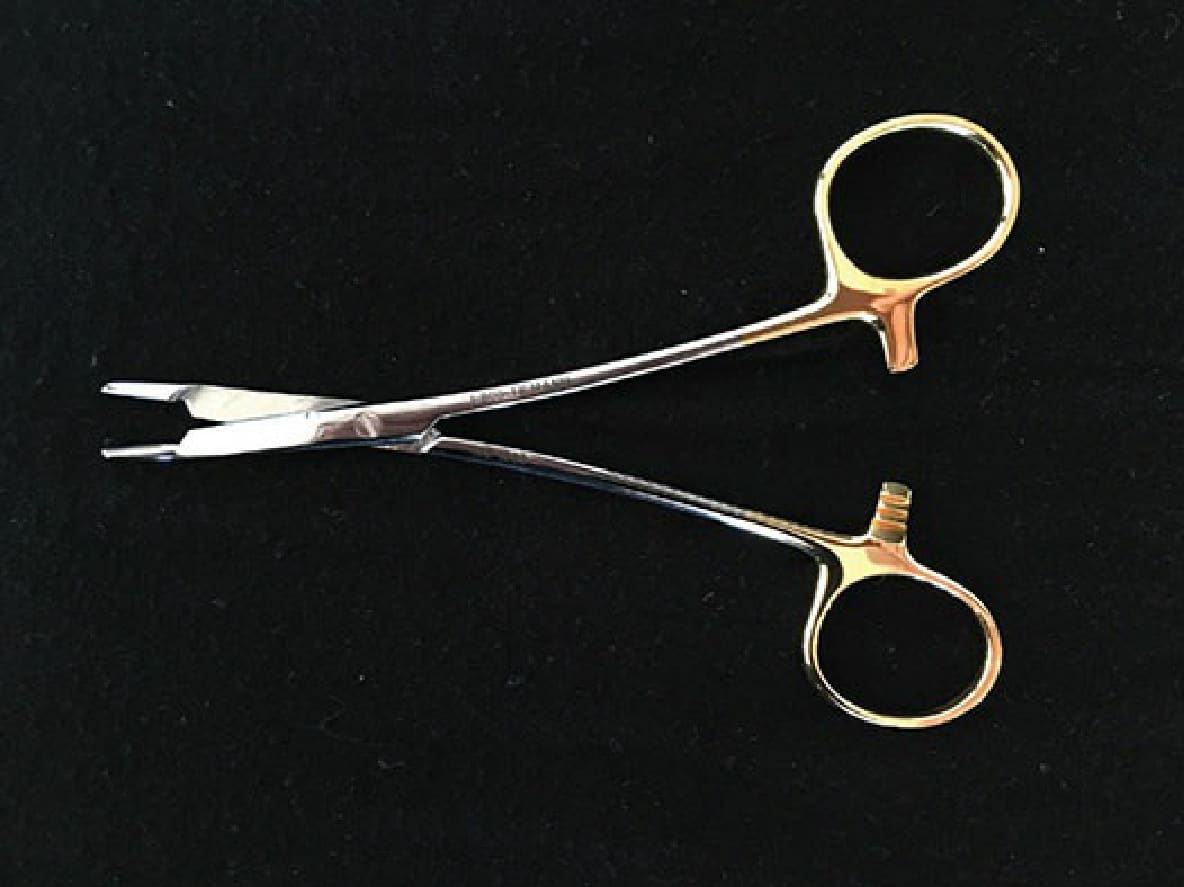
Figure 5-15. The Olsen–Hegar needle holder contains a scissor just proximal to the needle holding jaws.