Forceps
Forceps
Forceps are used to hold or grasp items such as tissue, sutures, or other materials within the surgical field. They are generally held between the thumb and index finger like a pencil. They are pressed to close, and are designed to reopen with released. As with other surgical instruments, forceps are available in a variety of sizes and weights. While a matter of personal preference, the most delicate instrument useable for the procedure should usually be selected to avoid tissue damage.
Forceps handles are usually stainless steel. They are available in a variety of weight and lengths. Grips may be ridged or gnarled for improved grip when wet. Handles may also be drilled or fenestrated for weight reduction.
Surgical forceps are available with or without teeth. Those without teeth are referred to as dressing or bandage forceps, and are for the most part, not intended to handle the skin. Tissue forceps, on the other hand, have delicate teeth at the tips. When used gently, these tips allow the skin to be manipulated without crushing or leaving marks on the skin. Teeth are available in various weights and sizes to correctly suit the tissue. The most commonly used tooth pattern is 1 × 2, meaning one tooth on one tip that fits between two teeth on the other tip. However, multiple tooth patterns such as 2 × 3 through 8 × 9 are available.
Some forceps are available with a suturing or tying platform (Fig. 5-11). This is a slightly raised, flattened area placed directly behind the teeth. This platform allows the needle to be gripped securely without twisting or turning. The needle can, therefore, be passed directly from the needle driver to the forceps without touching the needle with the fingers. This may greatly reduce the risk of needle stick to the surgeon. For optimal grip and ease of maintenance, this platform may be constructed of gnarled tungsten carbide. Such forceps are denoted, like all tungsten carbide instruments, with gold handles.
The most common forceps design used in dermatology is the Adson (Fig. 5-12). These have a broad handle that tapers to a narrow tip. This tip may be serrated, smooth, or toothed; Adson forceps are available with or without tying platforms. Long, heavy handles or lightweight, fenestrated handles are available. By varying these characteristics, Adson forceps suited for nearly all dermatologic surgery procedures have been produced. A common variation is the Brown–Adson forceps, in which a platform of minute teeth is placed at the tip.
For more delicate procedures, small forceps with a longer tip-to-handle ratio are available. Iris forceps are simple, inexpensive, and slowly taper from handle to tip. Bishop–Harmon forceps are short, with fenestrated handles and well-defined, long, delicate tips. These are available with or without teeth. Jeweler’s forceps are similarly delicate, with tapered sharply pointed tips.
Nontissue handling forceps are also commonly used in dermatologic surgery. Those with smooth tips may be useful for gripping sutures or foreign bodies. The Swiss cilia forceps is short, with a smooth, angled, pointed tip (Fig. 5-13). This is particularly useful in suture removal. Forceps with serrated tips increase the gripping strength and may be used to manipulate gauze within a surgical field. While they may also be used to grasp cysts or lipomas, their use on vital tissue may lead to tissue damage or necrosis.
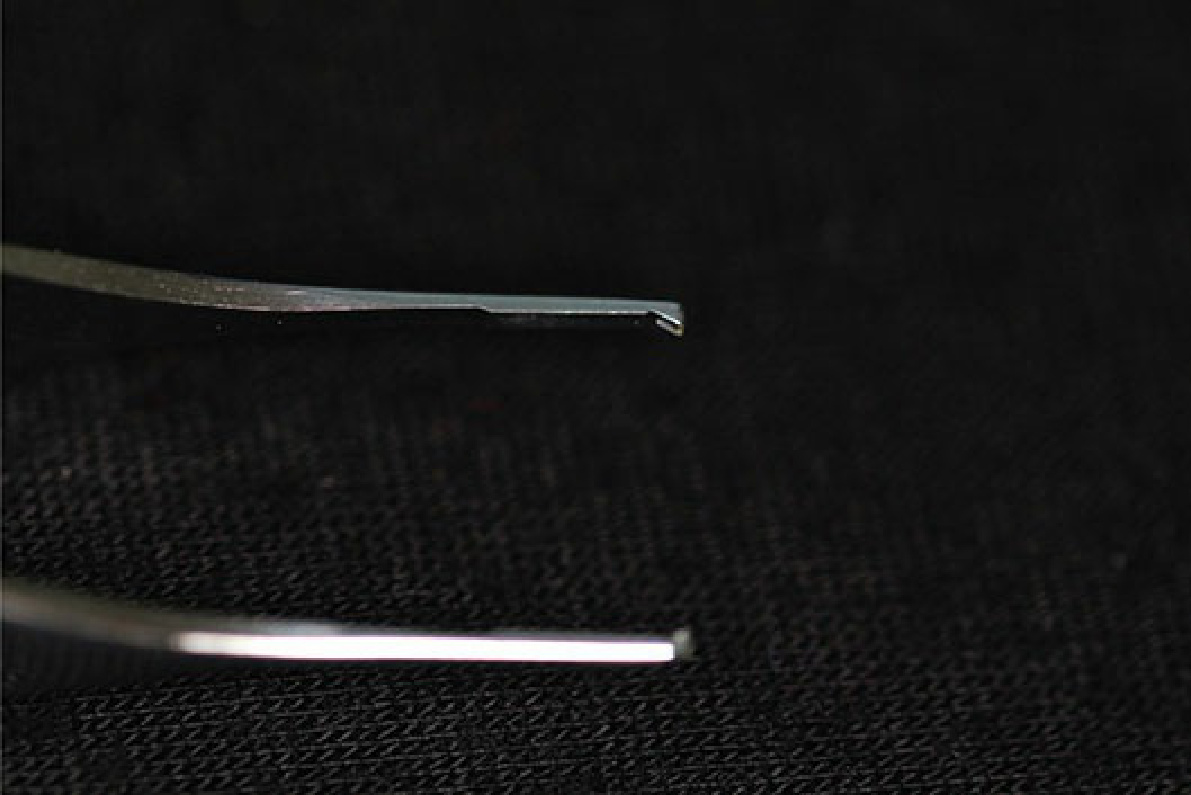
Figure 5-11. Some forceps are available with a suturing or tying platform.
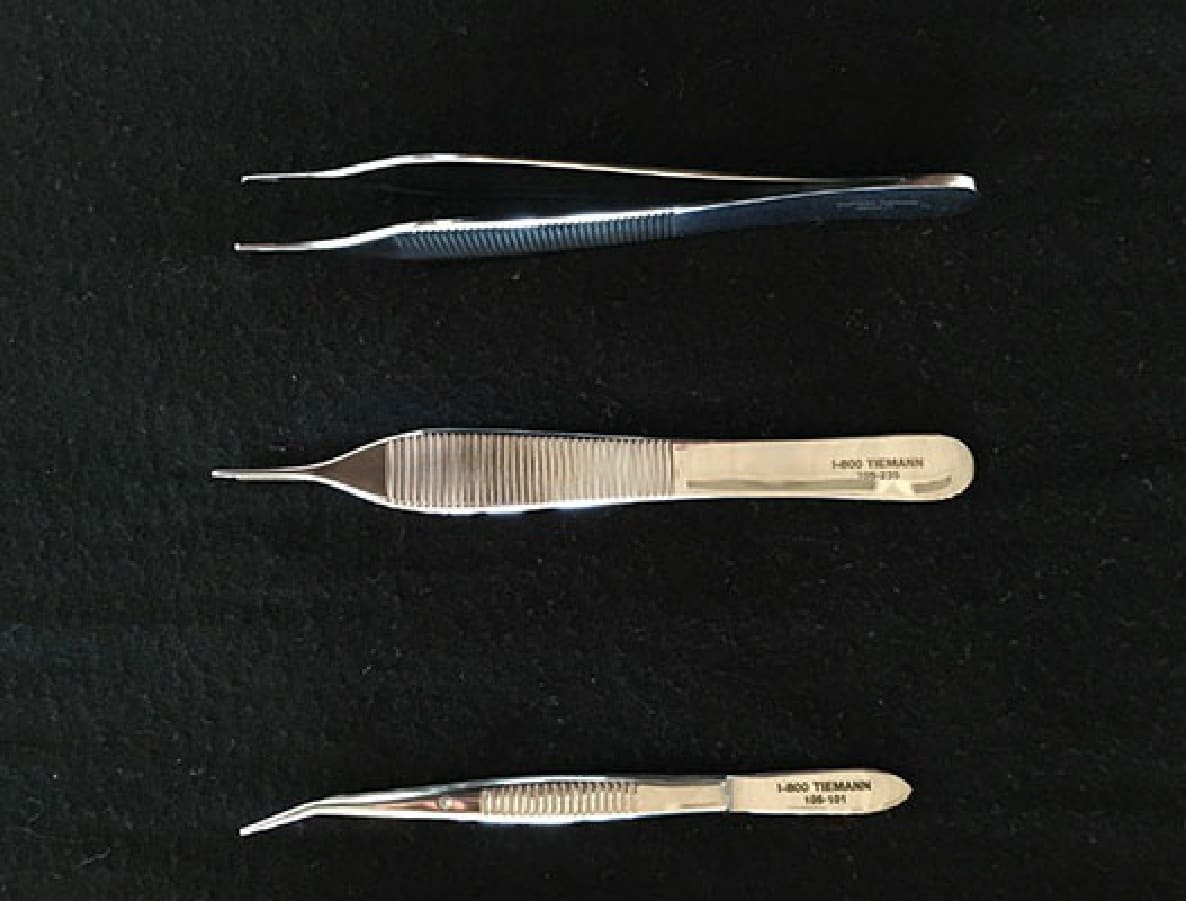
Figure 5-12. The most common forceps design used in dermatology is the Adson.
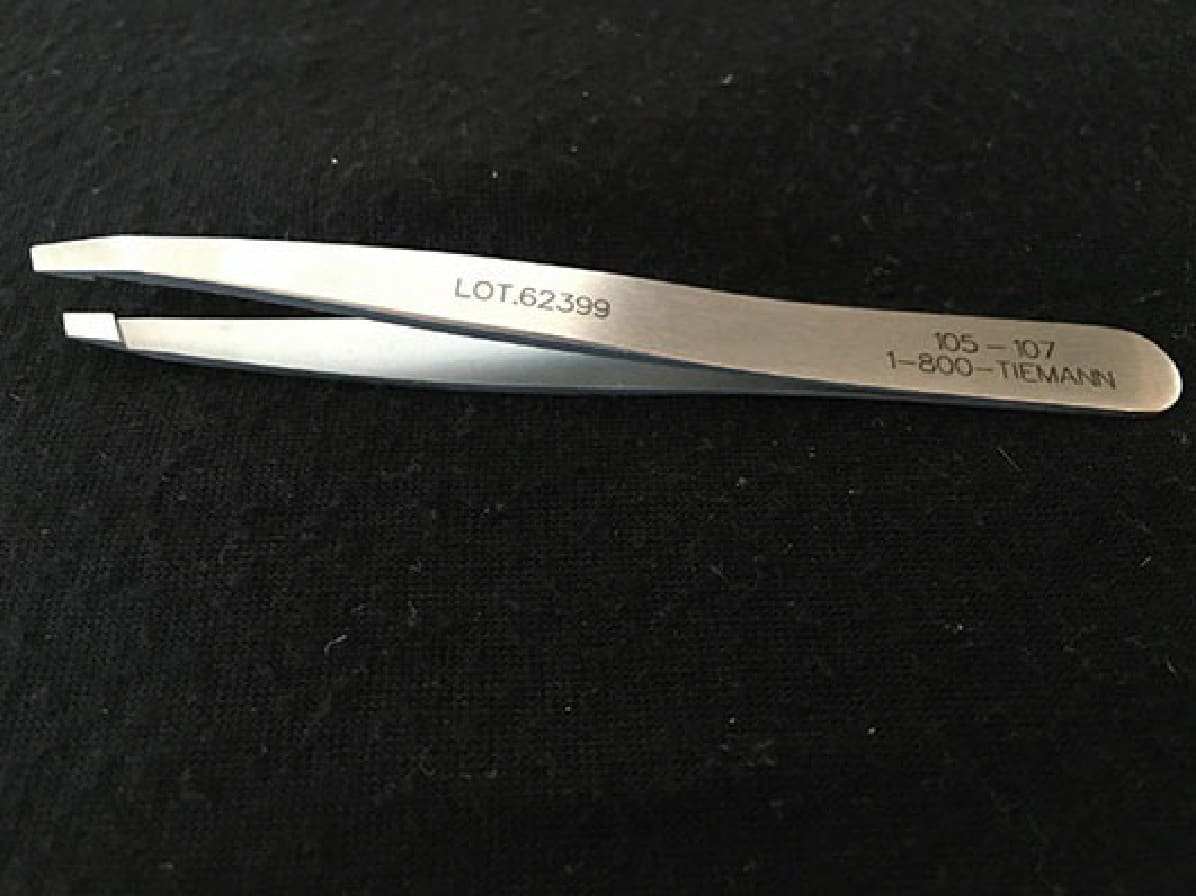
Figure 5-13. The Swiss cilia forceps is short, with a smooth, angled, pointed tip.