Scissors
Scissors
Surgical scissors come in a great variety of shapes and sizes, each designed for a specific task. Though the choices are dizzyingly extensive, the selection of a few optimal pairs of scissors may enhance comfort and surgical outcomes
The basic anatomy of scissors consists of three parts: the handle, the blade, and the tip. The handle may be long or short. Short-handle scissors are most commonly used by dermatologic surgeons, as they provide enhanced control when working with delicate tissue. Longer handles provide increased leverage and cutting strength and may be necessary when working in cavities, such as when creating a flap for a facelift, or during extensive undermining. Handles are most often straight, though curved or bent handles are available. These alternative shapes may improve visibility or approach for difficult-to-reach areas.
Scissor blades are available in varying shapes and quality. In the most basic design,
the blade is formed from the same piece of stainless steel as the handle. Such scissors are inexpensive and well suited for basic procedures, for cutting sutures, and for forming bandages.
The lower blade of a scissor may be serrated to increase stability and reduce slippage. These fine teeth are difficult to visualize, but may be easily felt by running the finger gently along the blade. The serrated blade is particularly useful when working with thin skin and for trimming the edges of delicate flaps and grafts. Scissors may be purchased serrated, or this feature may be added after manufacture.
Higher-quality scissors may be enhanced with tungsten carbide inserts. This material reinforces the blade, improving cutting and providing a longer life without dulling. Tungsten carbide is brittle, and may be damaged if instruments are dropped or mishandled, though the insert may be replaced when dulled or damaged. Surgical instruments with tungsten carbide inserts are identified by their gold handles.
Supercut scissors are denoted by black handles. The upper blades of these scissors are honed with a double, rather than single, bevel, similar to the blade of a high-quality knife or scalpel. The lower jaw is serrated. These scissors optimize cutting in most circumstances. The sharp blade, however, is easily dulled. Supercut scissor should be reserved for tissue and should never be used to cut suture.
Scissor tips may be pointed, blunt, or hooked. Pointed tips are useful for precise trimming and shaping and for aggressive dissection in areas of difficult scissor insertion. Blunt tips are safer for undermining around delicate structures and for freeing flaps and grafts. The single-hooked tip may be used to assist with suture removal.
By altering handle, blade, and tip shapes and sizes, many hundreds of scissor designs have been introduced. While a detailed description of each is beyond the scope of this chapter, several common types comprise the majority of our armamentarium.
Iris scissors are the most commonly used scissor in dermatologic surgery (Fig. 5-6). Originally developed for the eyelid, these have wide application for facial and other cutaneous surgery. These usually measure approximately 4 inches, may have straight or curved blades, and may have sharp or blunt tips. Their relatively long handle-to-blade ratio provides excellent accuracy while retaining mechanical advantage. The blepharoplasty scissor is a specialized iris scissor with a gentle curve, blunt tips, tungsten carbide inserts, one serrated blade, and one flattened blade. In addition to its original intention, this scissor may be particularly useful for dissecting cysts, and for debeveling and undermining wounds prior to closure.
Gradle and tenotomy scissors have a high handle-to-blade ratio and a small, delicate, sharp tip that is tapered to a fine point with a gentle curve (Fig. 5-7). Their fine features and precision make them ideal for working with delicate tissues or for harvesting thin stages during Mohs surgery.
Operating scissors are larger, heavier instruments more commonly used in general surgery. While these have limited use in dermatologic surgery, some may be helpful in larger cases. Mayo scissors are heavy, with a nearly one-to-one handle-to-blade ratio. These may be used for coarse dissection. Metzenbaum scissors are heavier, with a high handle-to-blade ratio for increased leverage and reach.
At the more delicate end of the spectrum are Westcott and Castroviejo scissors (Fig.
5-8). These spring-loaded instruments are held like a pencil and squeezed closed to cut. The blade reopens when released. They generally have fine, pointed tips, and are particularly useful when working with thin periorbital skin.
The scissors discussed above are intended for tissue and may be damaged when working with other materials. A surgical tray should also contain scissors for cutting suture. Suture-cutting scissors may include a basic stainless steel iris scissor or a standard operating scissor, which comprised of heavier blades with one blunt and one sharp tip. Bandage-cutting scissors tend to be large and have blunt tips to protect the patient’s skin during the removal of the bandage (Fig. 5-9). One blade is generally flattened to slide under the dressing without damaging the underlying integument. For suture removal, the Northbent scissor is curved with a hooked blade, the Spencer scissor is straight with a hooked blade, while the O’Brien scissor has a short-angled blade that allows the fine tip to be introduced below suture loops (Fig. 5-10).
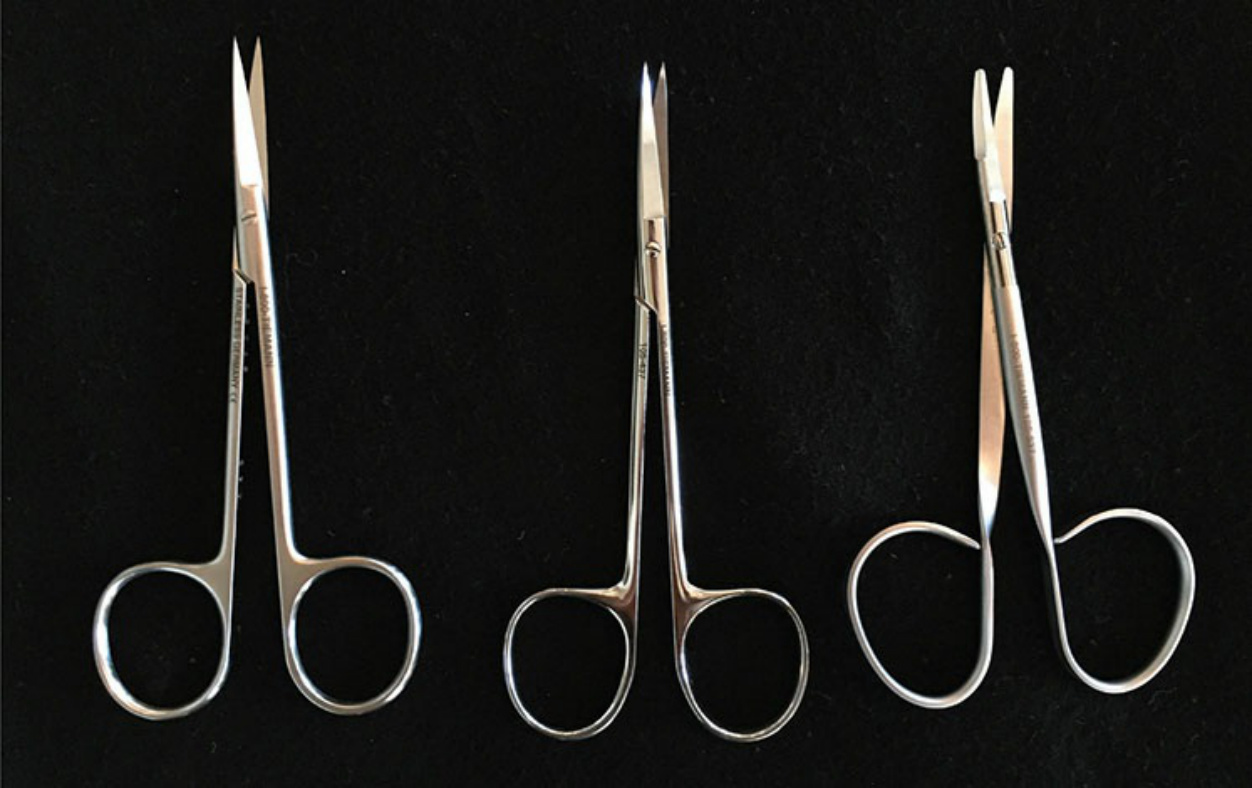
Figure 5-6. Numerous scissors are available for use in dermatologic surgery.
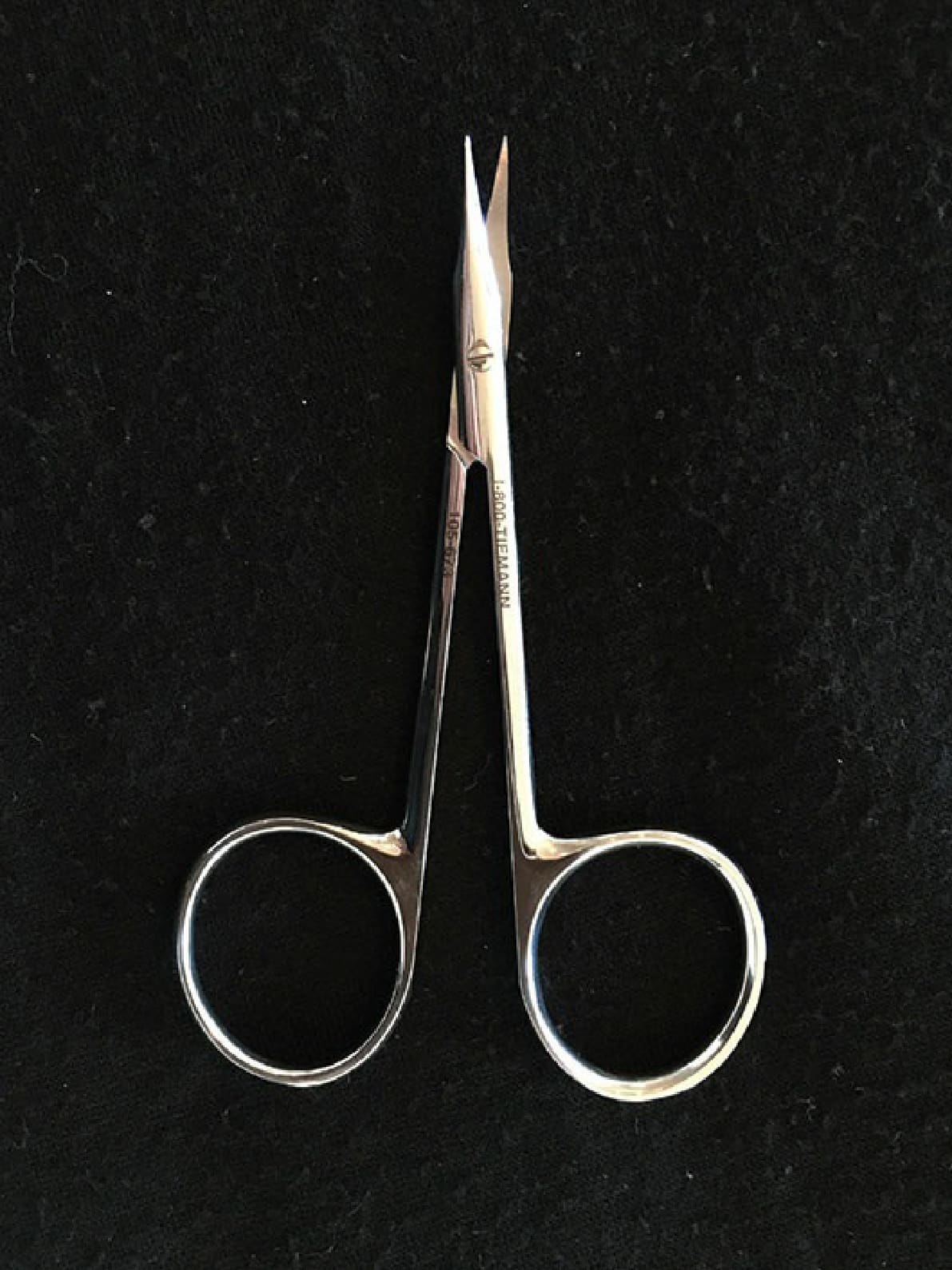
Figure 5-7. Gradle scissors have a high handle-to-blade ratio and a small, delicate, sharp tip that is tapered to a fine point with a gentle curve.
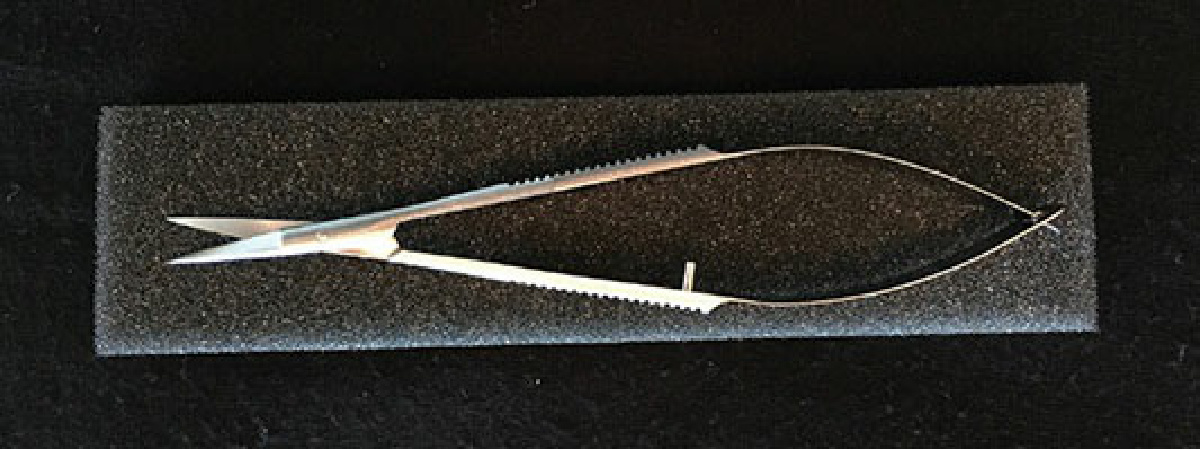
Figure 5-8. Castroviejo scissors are spring-loaded and held like a pencil.
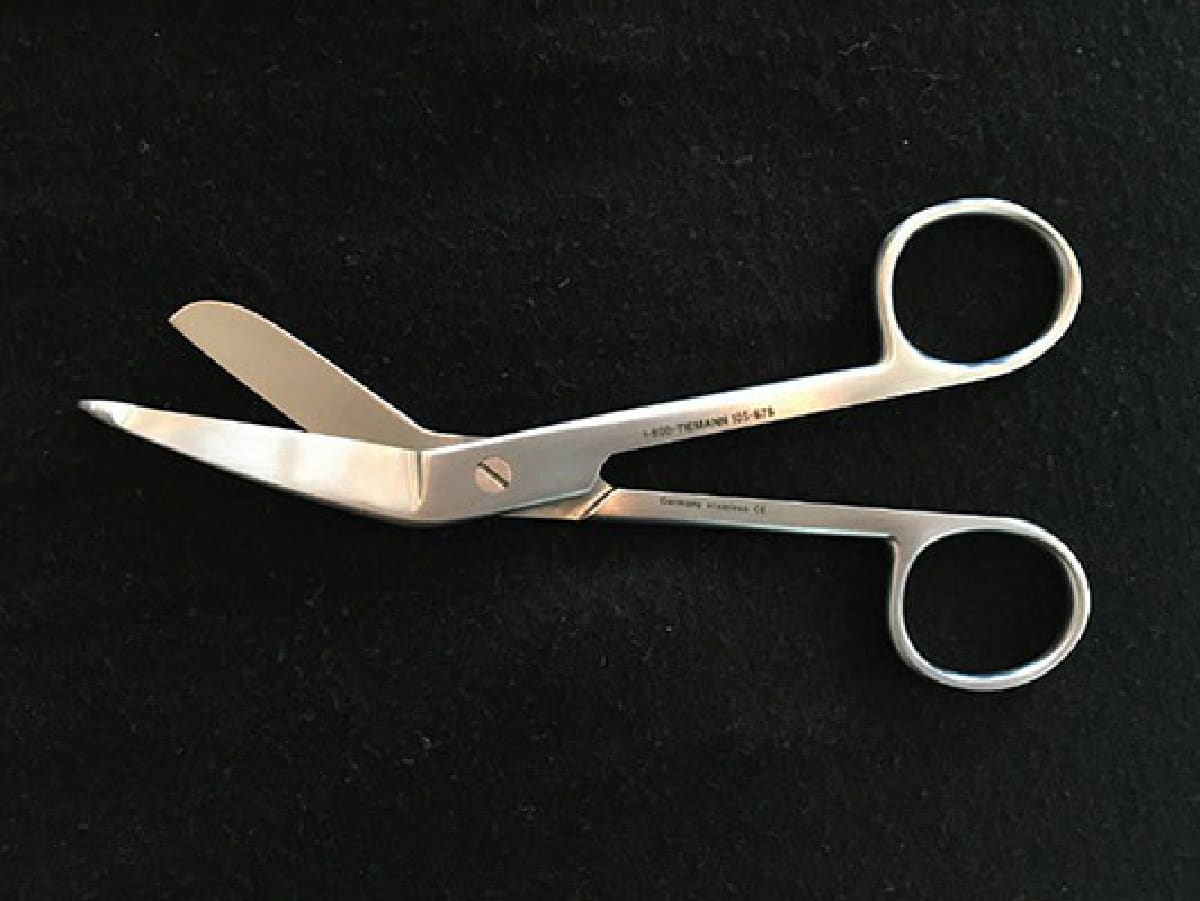
Figure 5-9. Bandage-cutting scissors tend to be large and have blunt tips to protect the patient’s skin during removal of the bandage.
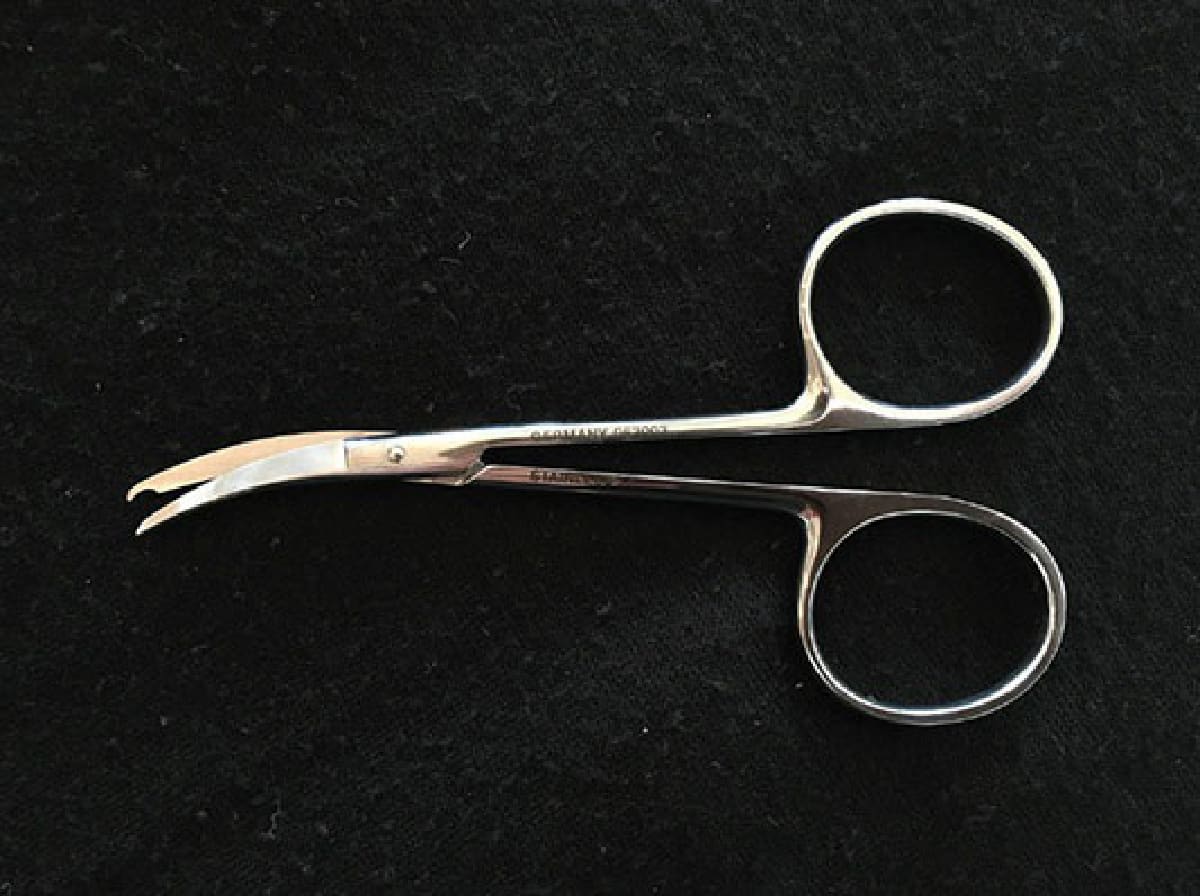
Figure 5-10. For suture removal, the Northbent scissor is curved with a hooked blade.