Biopsy instruments
Biopsy instruments
Small samples of skin are frequently needed prior to performing comprehensive dermatologic surgery procedures. While standard dermatologic surgery instruments such as scalpels may be used, specialty instruments have been developed to simplify biopsy procedures.
Punch biopsy instruments, or punches, are designed with a cylindrical cutting blade attached to a handle (Figs. 5-1 and 5-2). Though reusable devices were originally used,
most have been replaced by disposables. These disposable punches provide both sterility and a razor sharp edge. Useful punches range from 2 to 8 mm in diameter. An elliptically shaped punch has also been developed to facilitate elegant closure. However, many surgeons find this device to be difficult to use, as the punch cannot be rotated to enhance cutting.
A shave biopsy may be performed with any sharp-edged cutting instrument. A double-edged razor blade, snapped in half, provides an extremely sharp and inexpensive tool for shave biopsy. By altering the curvature of the blade between their fingers, the surgeon may adjust the depth of the biopsy. Scalpel blades are also readily available, and may be stabilized by wrapping the base of the blade in its foil packaging. The Dermablade is a commercially available blade with plastic support handles. This may provide improved grip and safety to the surgeon as compared to working with a snapped double-edged blade, though it is significantly more expensive and most veteran dermatologic surgeons are expert at handling snapped double blades.
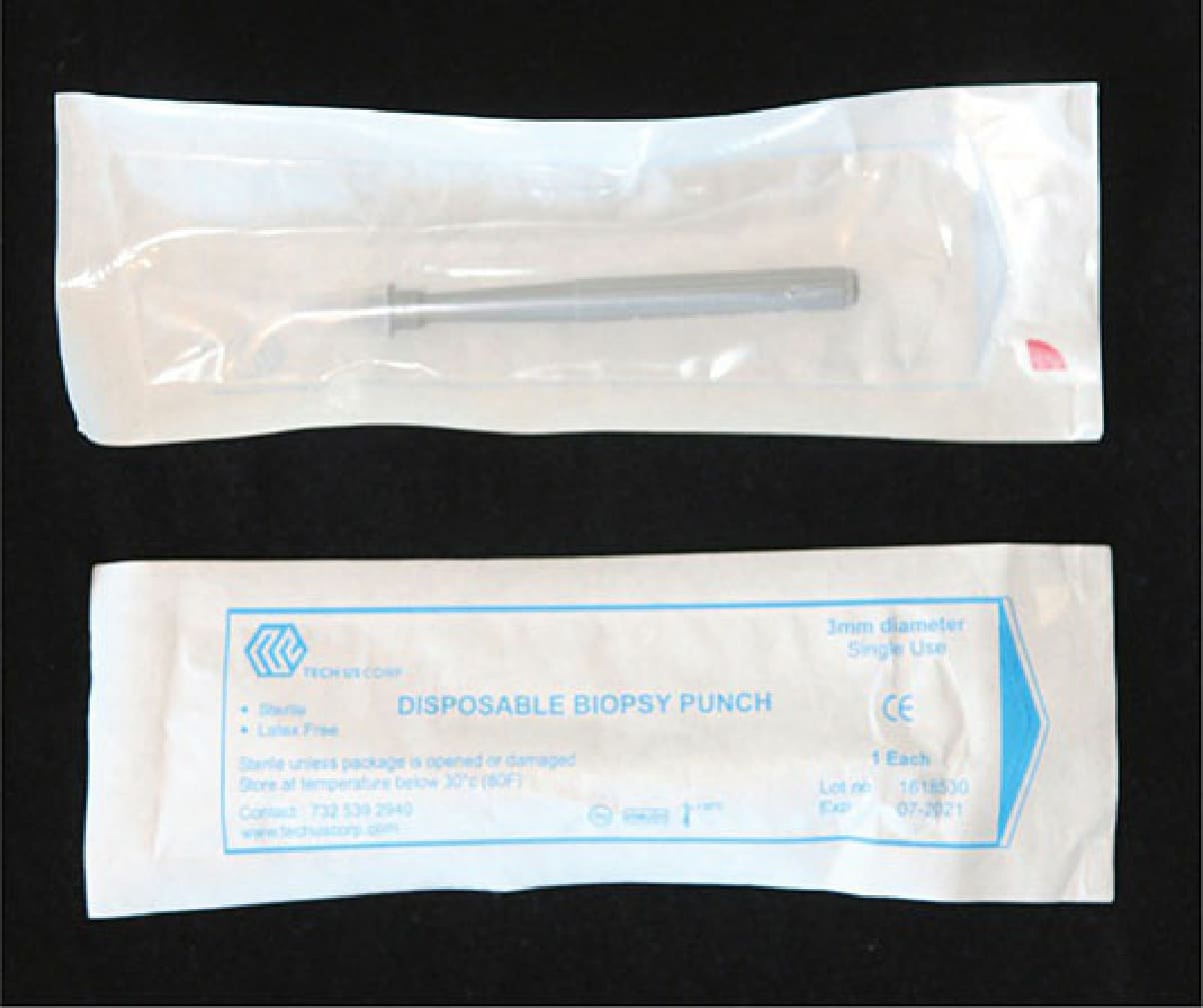
Figure 5-1. Punch biopsy instruments are available in an array of sizes and configurations.
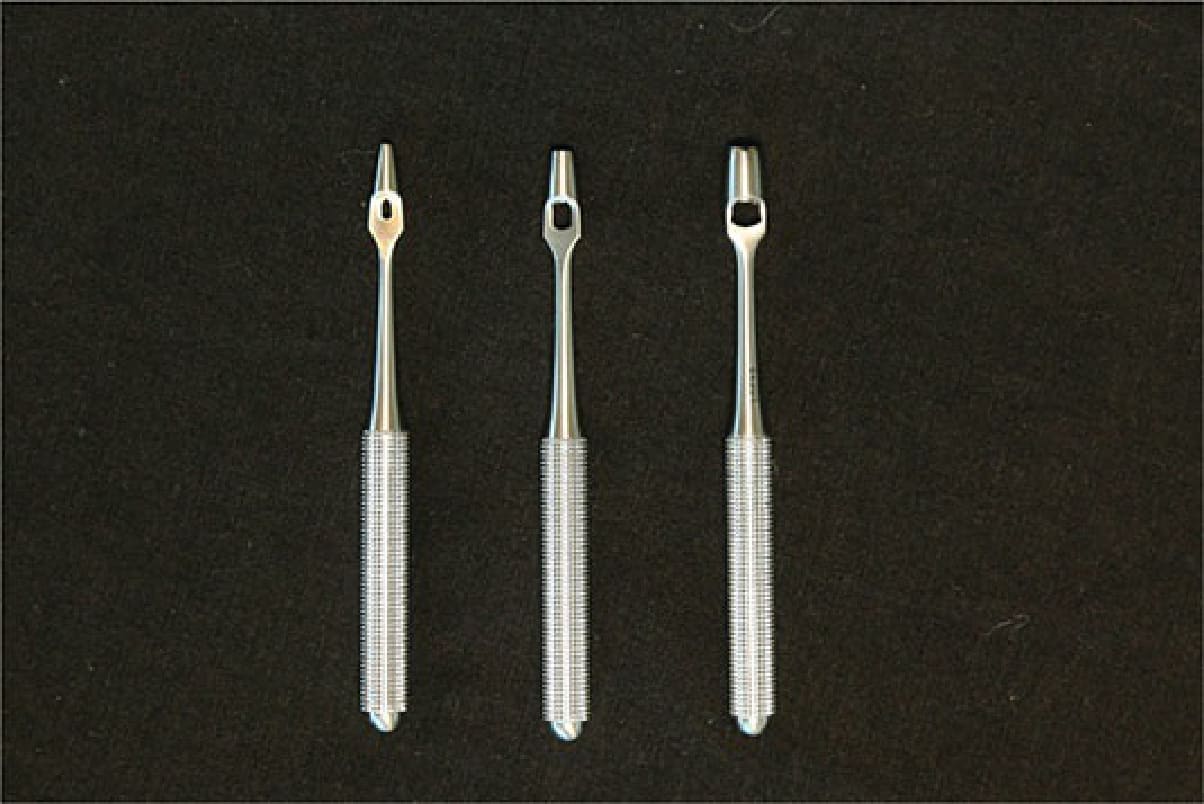
Figure 5-2. Some punch devices are autoclavable.