POSTOPERATIVE CARE
POSTOPERATIVE CARE
After treatment of large varicose veins by any method, a 30- to 40-mm Hg gradient compression stocking is applied, and patients are instructed to maintain or increase their normal activity levels (Fig. 72-14). Many clinicians also recommend the use of gradient compression stockings even after treatment of smaller varicose veins. In a randomized trial of patients undergoing foam sclerotherapy for primary uncomplicated varicose
veins, no significant difference was noted in vein occlusion, phlebitis, skin discoloration, or pain at 2 and 6 weeks with the two techniques.53 Ace wraps and other long-stretch bandages should not be used. These elastic bandages fail to maintain adequate compression for more than a few hours. They often slip or are misapplied by patients, with a resulting tourniquet effect that causes distal swelling and increases the risk of DVT. Activity is particularly important after treatment by any technique, as all treatments for varicose disease have the potential to increase the risk of DVT. Activity is a strong protective factor against venous stasis. Indeed, many venous specialists will not treat a patient who is unable to remain active following treatment.
COMPLICATIONS
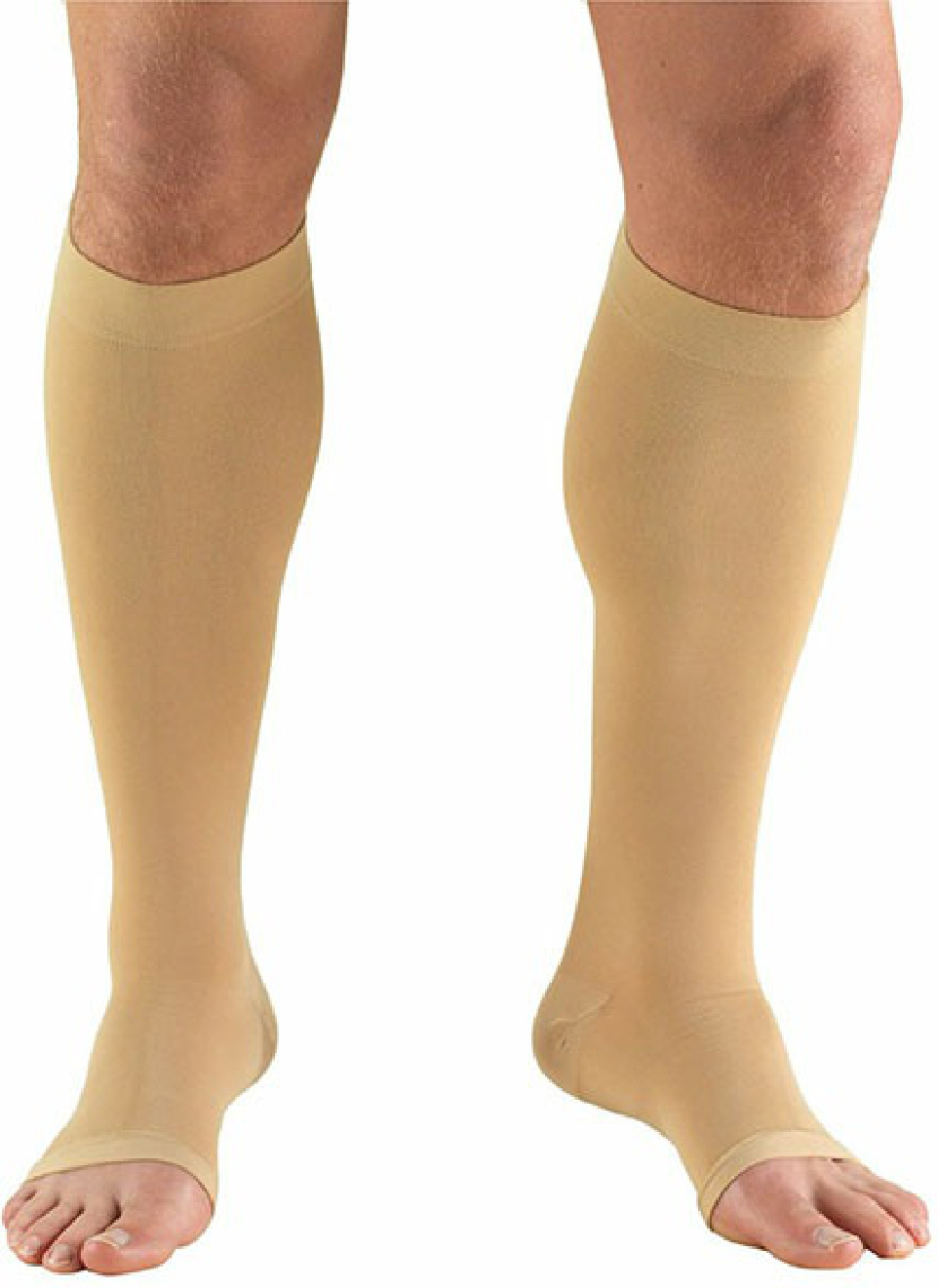
Figure 72-14. Compression stockings for sclerotherapy.