Cheeks
Cheeks
The cheeks are subject to significant tensile stress and often include significant convex components. Therefore, both S-plasty and crescentic approaches may be useful. Even large defects on the cheeks can often be closed in a linear fashion (Figs. 18-34 through 18-36). Patients should go through their full range of facial movement before deciding on an optimal tissue vector. Occasionally, M-plasty may be useful when approaching free margins. Fascial plication and set-back sutures are useful for maintaining welleverted wound edges under minimal tension. For a detailed discussion of cheek repairs, see Chapter 42.
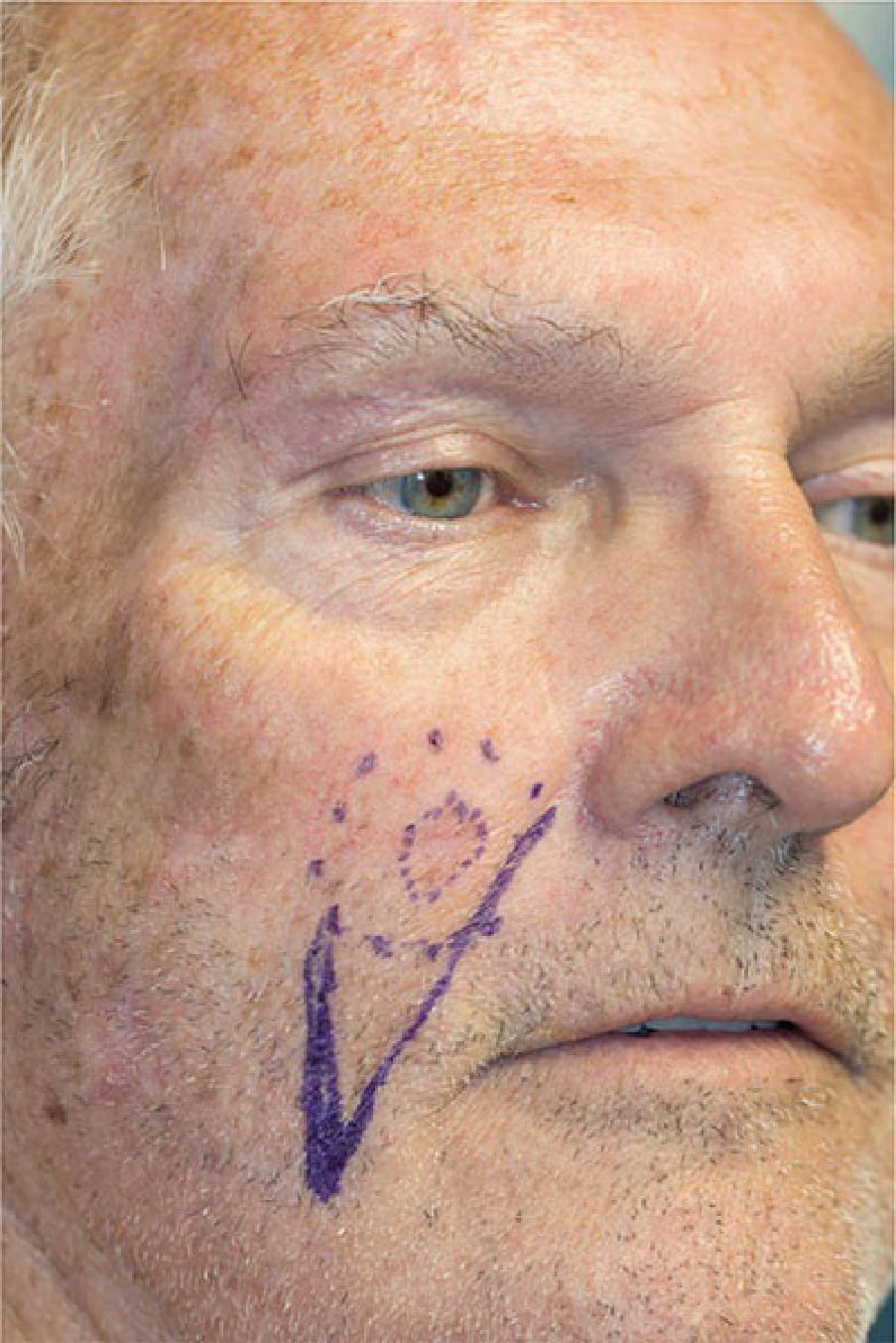
Figure 18-34. Lentigo maligna on the cheek can be easily closed in a linear fashion.
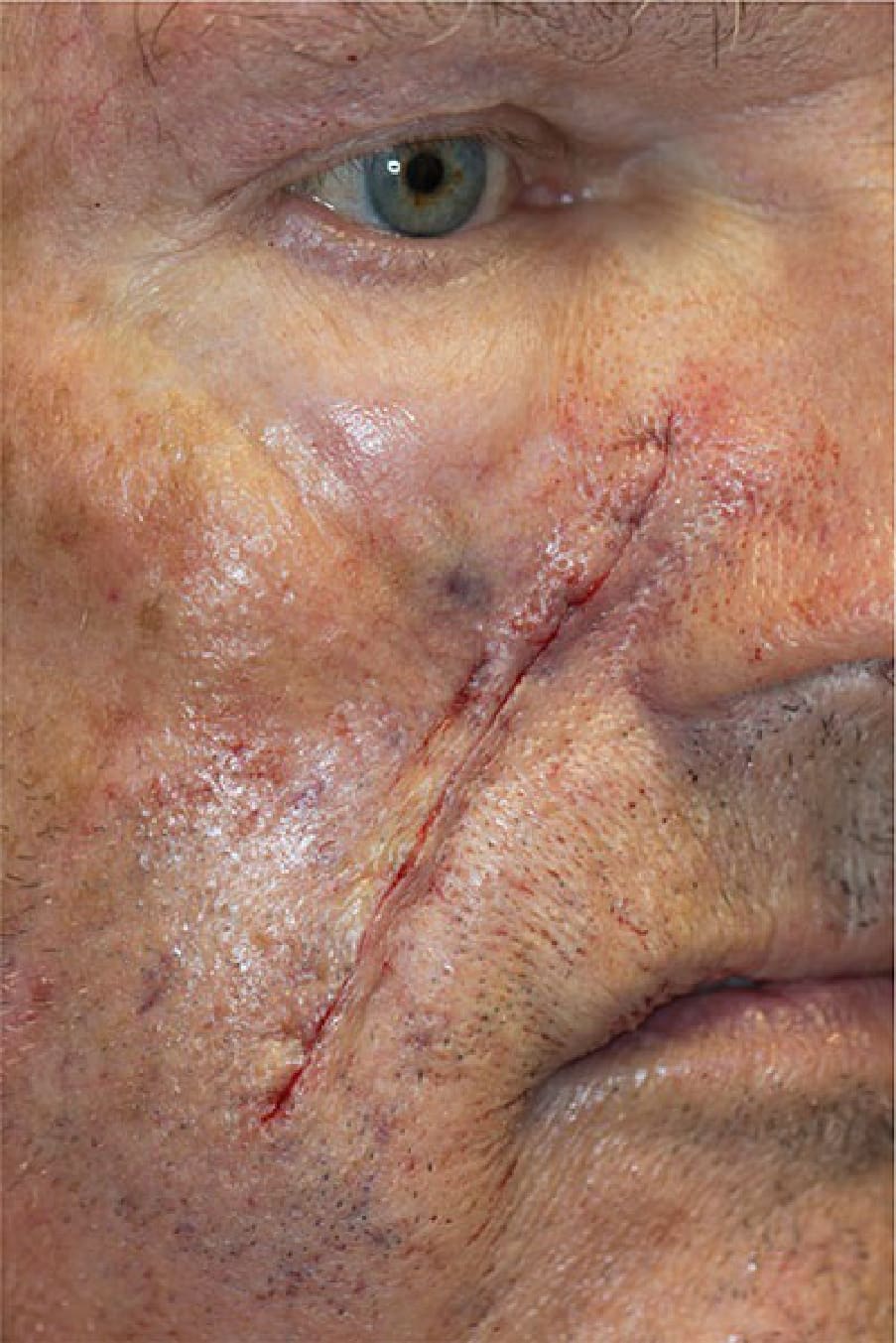
Figure 18-35. Wound appearance immediately after SMAS plication and buried suture placement. Note the presence of overhanging dermis that will be removed prior to the completion of the repair.
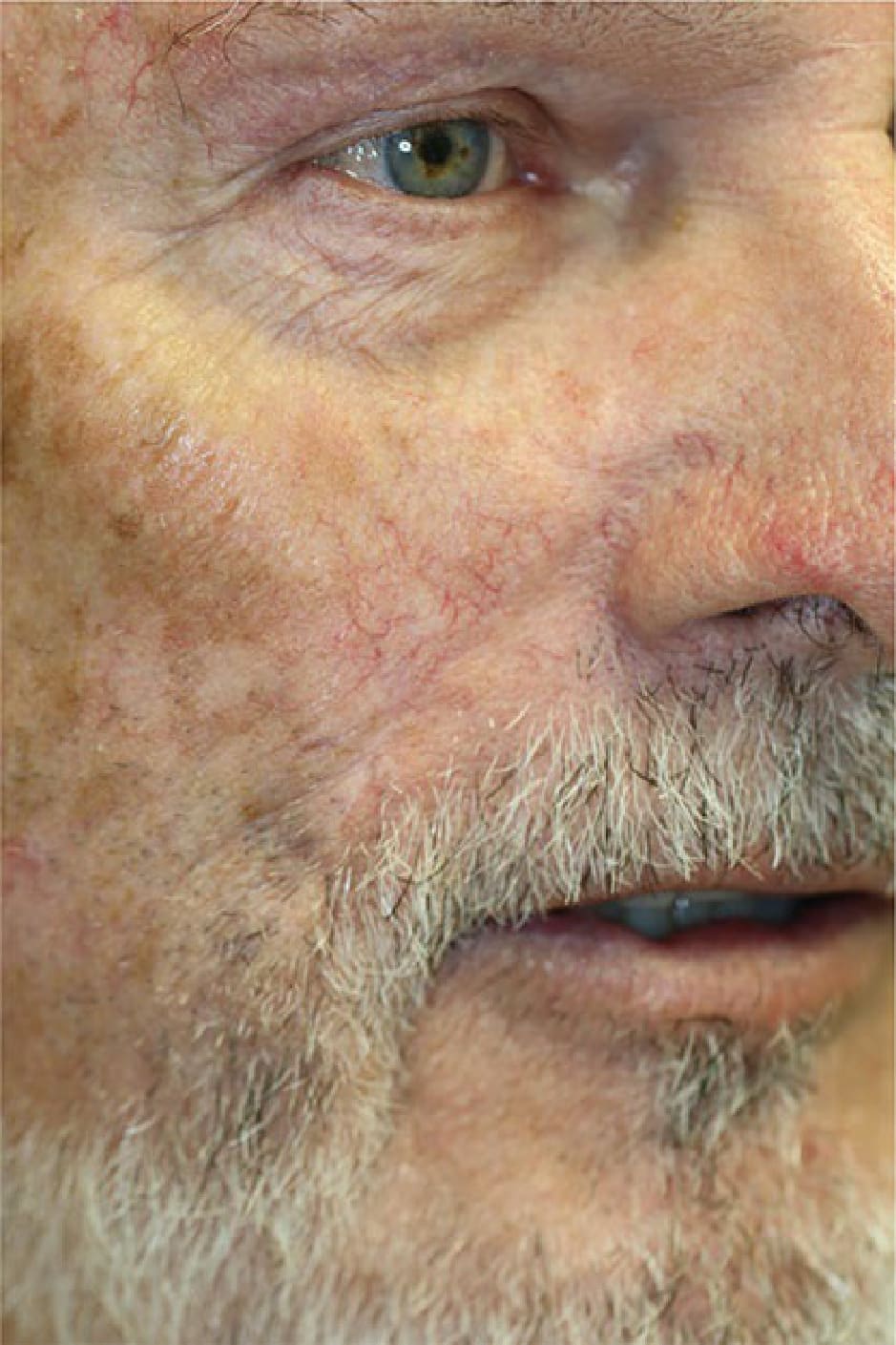
Figure 18-36. At 6-month follow-up, the wound has healed with barely visible scarring.