Cosmetic subunits
Cosmetic subunits
Keeping a linear closure within a cosmetic subunit, and ideally along a cosmetic subunit boundary, may help lead to an ideal scar.1,20 Even very large defects may be hidden very effectively as long as the suture line, however lengthy, remains along cosmetic subunit boundary lines (Figs. 18-4 through 18-6). One of the central advantages of the linear closure design is that it results in a single fine line that is often effectively hidden. Flap repairs by their very nature result in angulated scars, and even with precise suturing techniques, these scars may remain visible, with pin-cushioning a possibility as well.1 Angulated or geometric scars, once thought to be less obvious to the observer, may actually result in inferior cosmesis, and therefore excisions performed with this goal in mind should probably best be avoided.
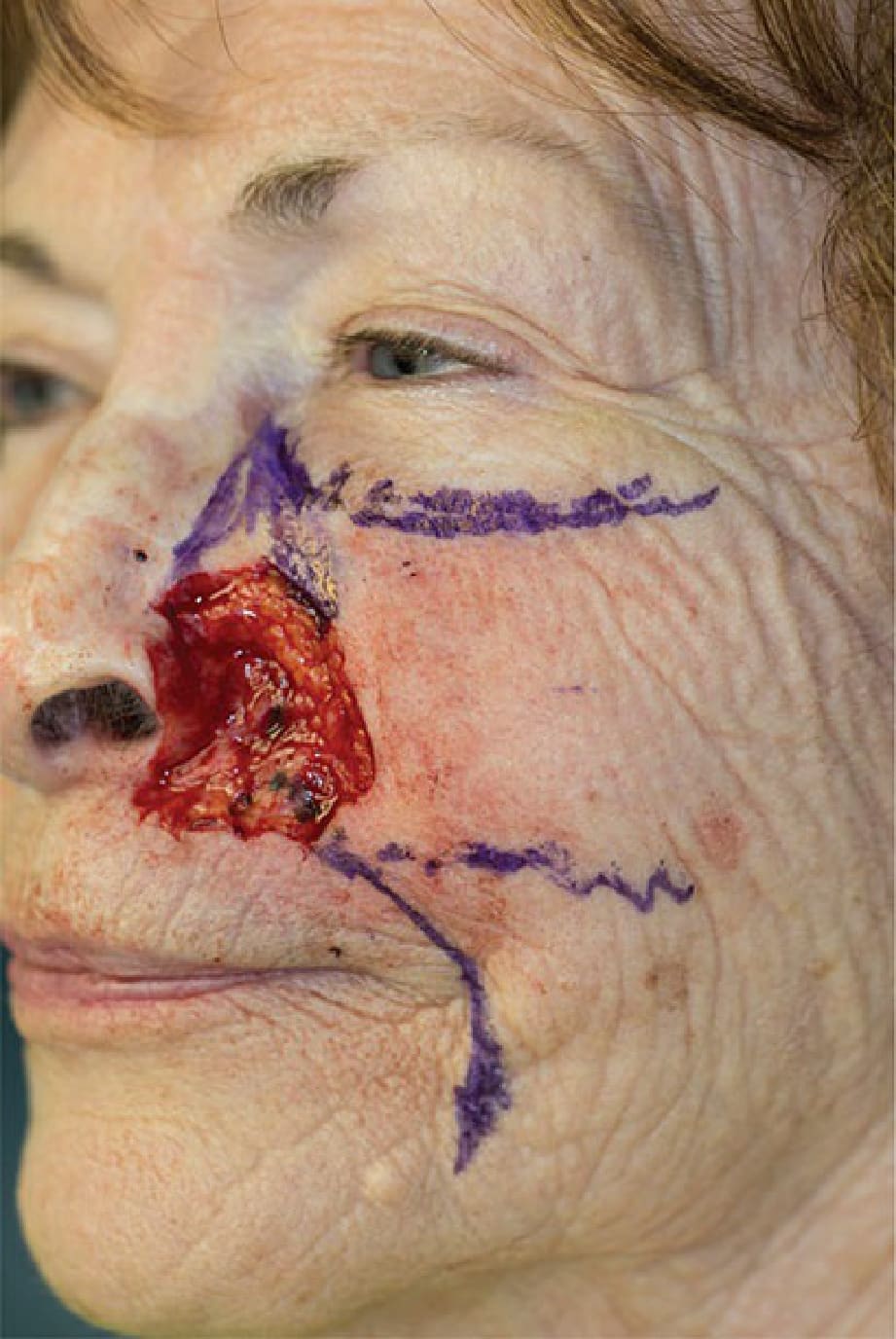
Figure 18-4. Moderately-sized defect after Mohs micrographic surgery for basal cell carcinoma.
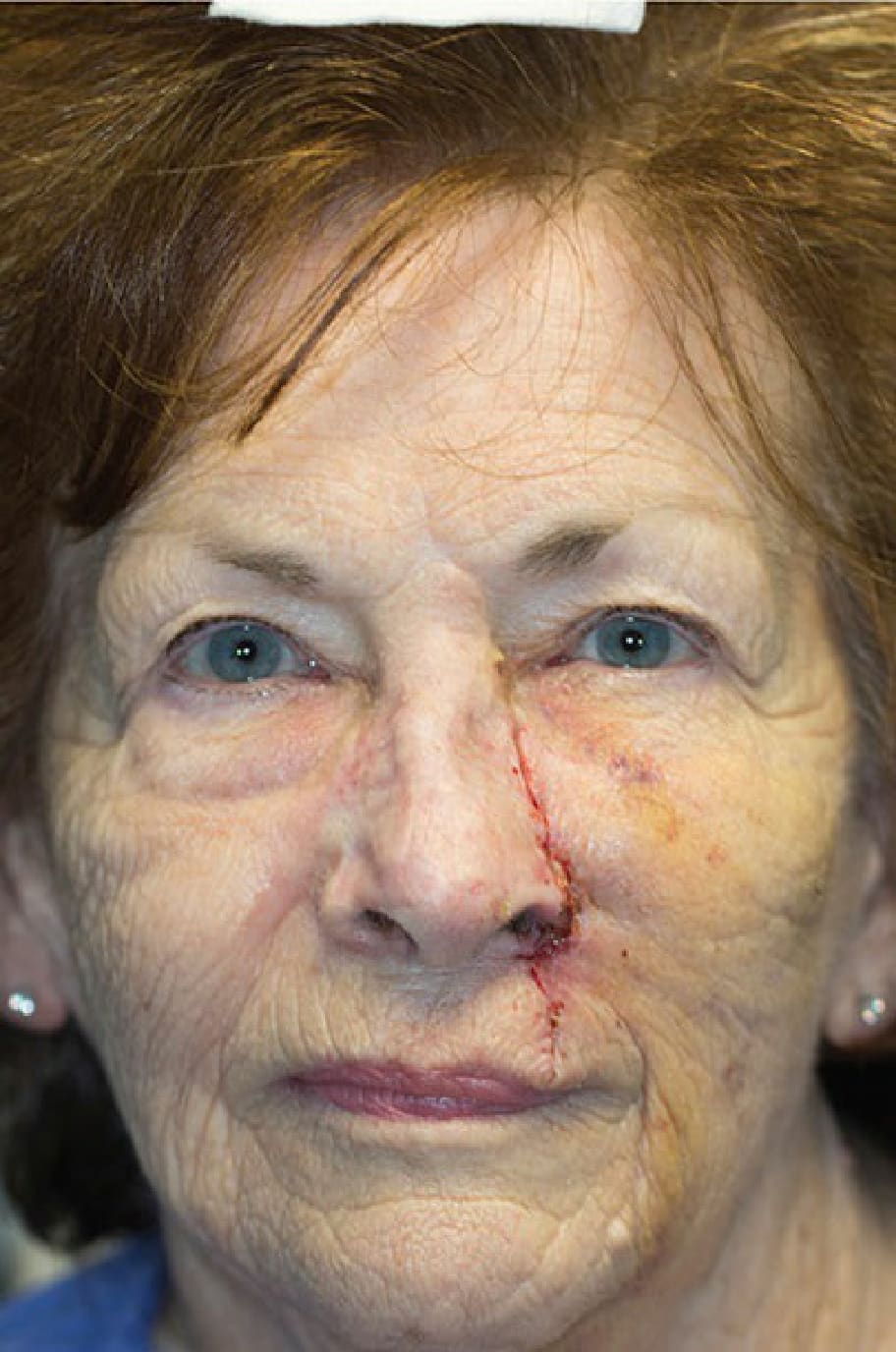
Figure 18-5. Largely linear repair respecting cosmetic subunit boundaries. Note the downward push on the lip caused by central axis lengthening.
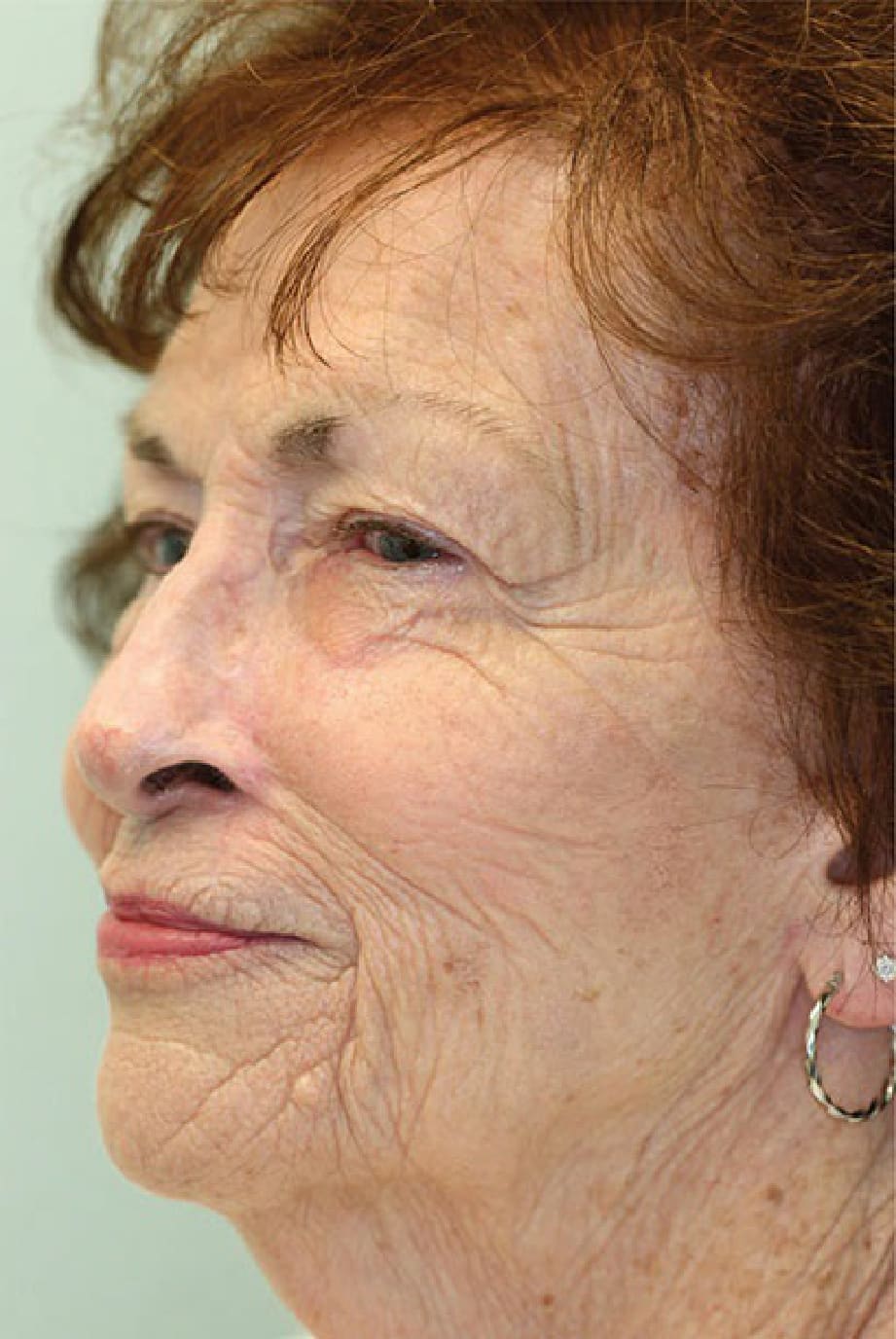
Figure 18-6. Six-month postoperative view showing a nearly undetectable scar and no residual push on the upper lip.