Miscellaneous instruments
Miscellaneous instruments
The chalazion clamp consists of a flat arm opposed by a ring. As these are clamped down on a mobile, vascular surface such as the lip, eyelid, or earlobe, the ringed arm provides stabilization and hemostasis, while the flat arm provides a backing surface against which the tissue can be cut. The clamp tension is adjusted by a thumbscrew, which can be gradually tightened or released. It is important to release the clamp as soon as possible to avoid tourniquet necrosis. Chalazion clamps are available in a variety of shapes and sizes. Rubber-coated clamps are recommended if electrosurgical instruments are to be used. Double-action nail cutters are also useful in nail procedures, and can be used in place of rongeurs when working with superficial bone (Fig. 5-18).
Periosteal elevators are elongated flat instruments designed to lift the periosteum from the bone (Fig. 5-19). In dermatologic surgery, they are also frequently used to lift the nail plate off the nail bed. Bone chisels have a sharpened, flattened head and a broad handle. These may be struck with a small hammer to biopsy bone, usually if invasive neoplasm is suspected during Mohs surgery.
Towel clamps allow sterile drapes to be firmly anchored in place (Fig. 5-20). They may also be used to keep electrosurgery handles within the operating field. Some surgeons additionally use the towel clip to hold large wounds together prior to suturing, or to grip a cyst or lipoma during extirpation.
Corneal shields are available in multiple sizes and may be placed over the eye to protect the cornea during periorbital procedures (Fig. 5-21). These are available both in plastic, which is both inexpensive and optimal for use during electrosurgery, and in stainless steel. Corneal shield placement requires anesthetic eye drops, careful sizing, and correct technique to avoid corneal irritation or abrasion.
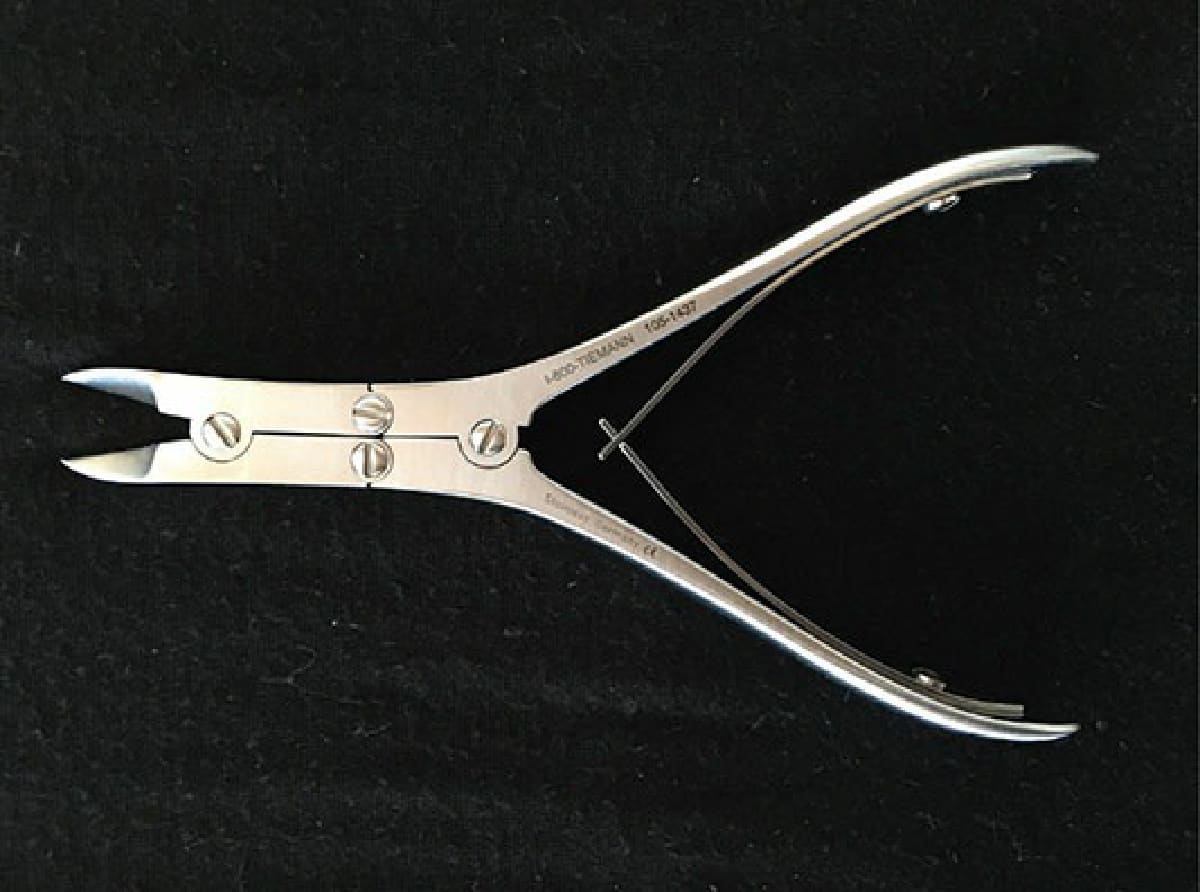
Figure 5-18. Double-action nail cutters are also useful in nail procedures, and can be used in place of rongeurs when working with superficial bone.

Figure 5-19. Periosteal elevators are elongated flat instruments designed to lift the periosteum from the bone.
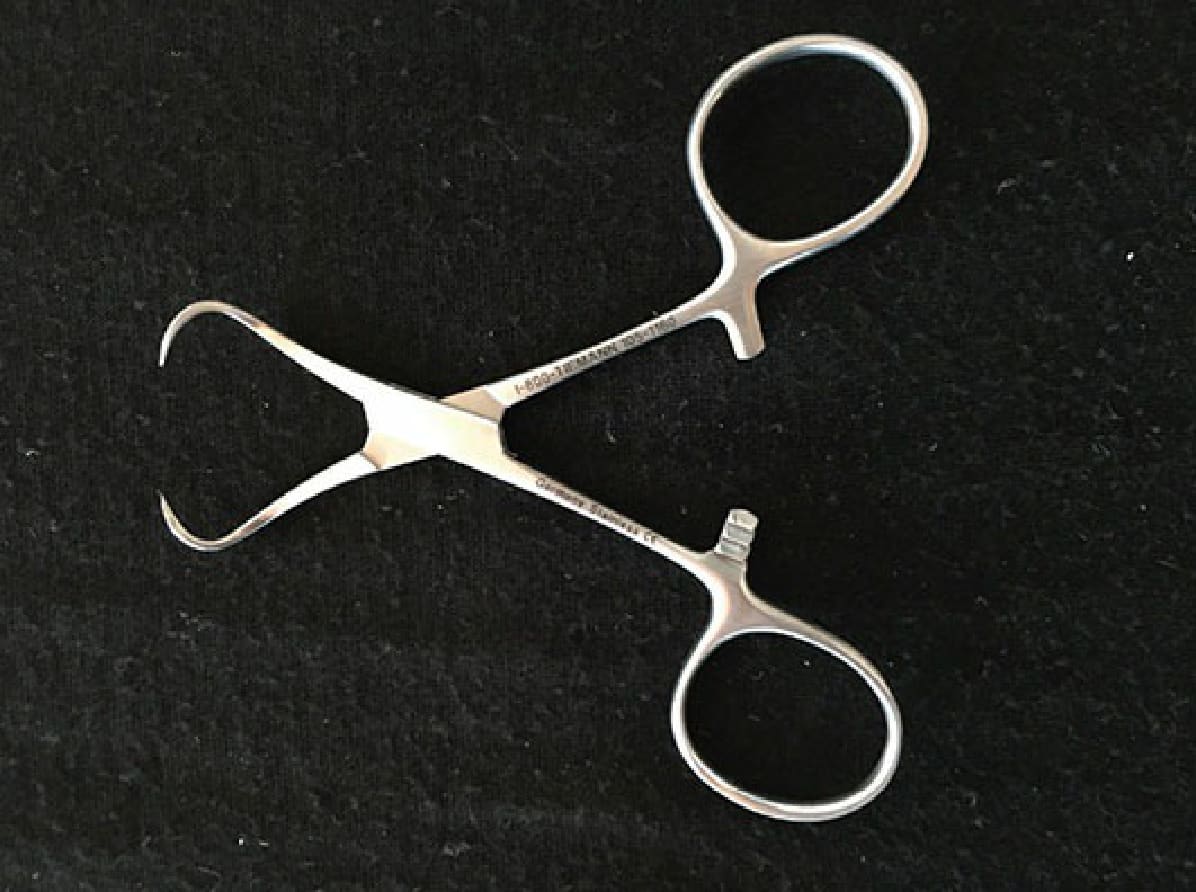
Figure 5-20. Towel clamps allow sterile drapes to be firmly anchored in place.
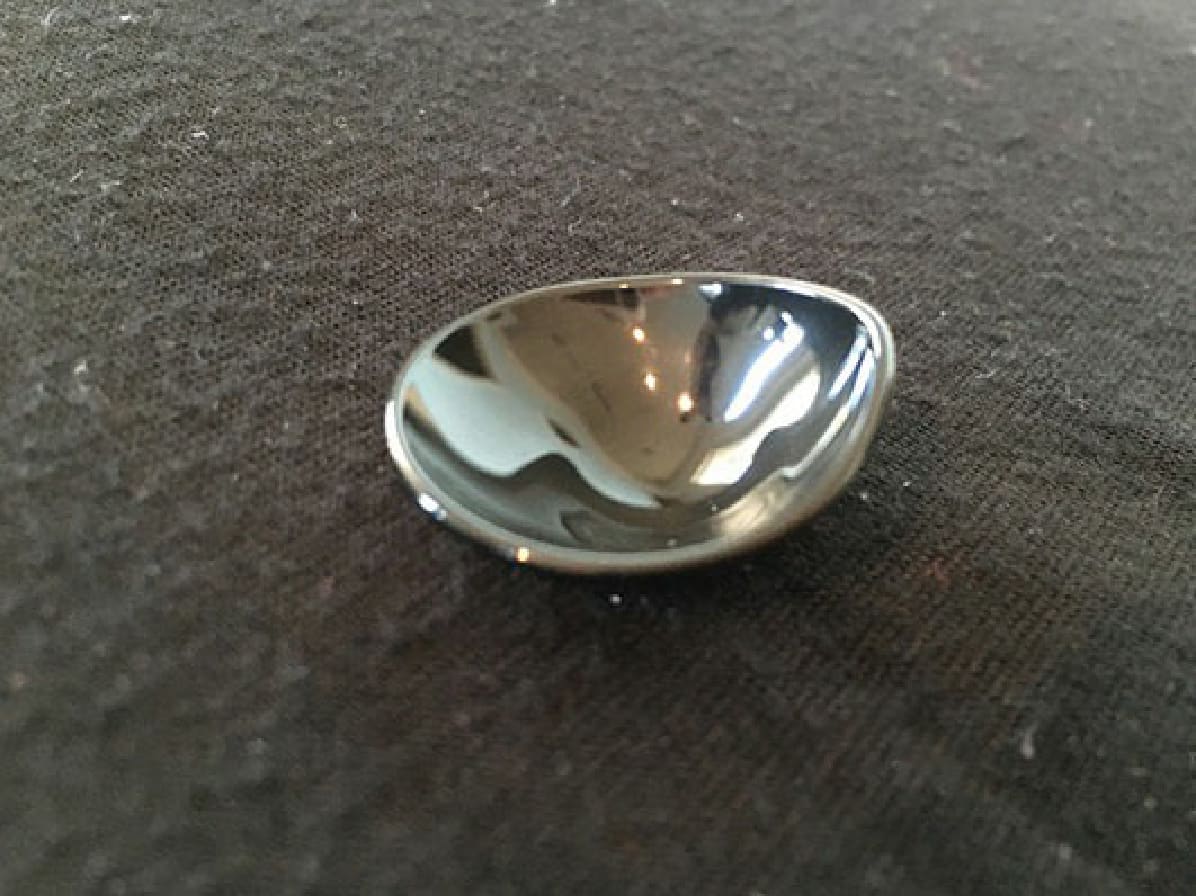
Figure 5-21. Corneal shields are available in multiple sizes and may be placed over the eye to protect the cornea during periorbital procedures.