Aesthetic considerations
Aesthetic considerations
Aesthetically pleasing healing environments can have a positive influence on patients, and many authors recommend the purposeful use of architecture, art, and music to improve the surgical experience for the patient.12–14 A 2013 study on patient anxiety while undergoing Mohs surgery found that the presence of music correlated with decreased anxiety and pain.15
A systemic review of the effectiveness of art, music, or appealing interior design was performed, and 48 studies were examined.16 The meta-analysis concluded that these low-cost interventions help alleviate postoperative pain, anxiety, and even resulted in decreased blood pressure and heart rate compared to control groups. Simple adjustments to the surgical suite, such as introducing a calming environment with music or pleasing interior design can be beneficial in reducing patient qualms over surgical procedures. Self-selection of the music by the surgical patient is an effective and lowcost intervention to minimize anxiety and enhance well-being. Newer technologies permit easy access to music whether using a CD player, radio, as well as free or lowcost computer-based applications such as Pandora or Spotify. Moreover, interior design features such as outdoor photographs, spacious rooms, and architectural window features providing more sunlight were found to have positive effects on perceived anxiety and postoperative pain (Figs. 4-4 and 4-5).
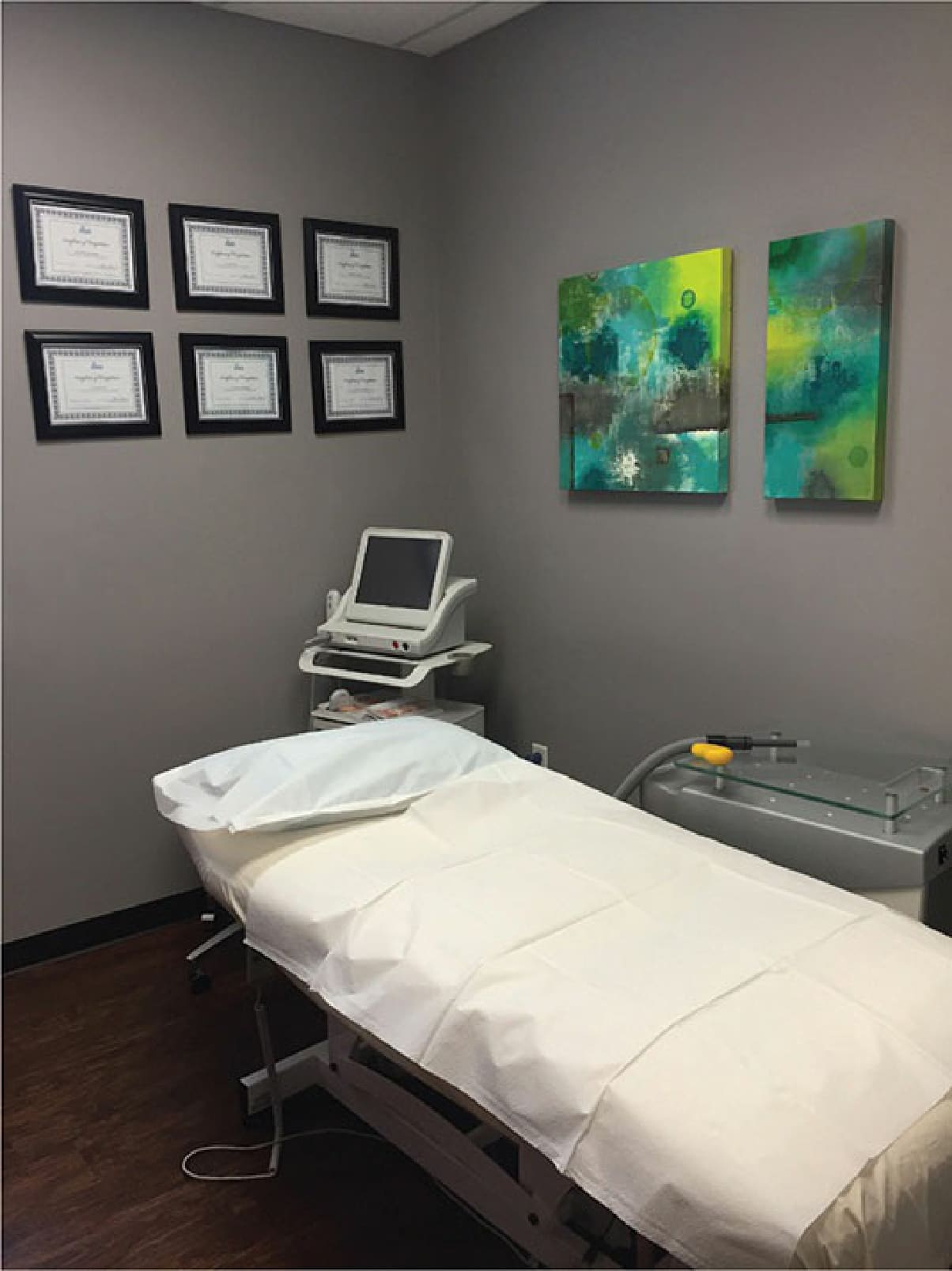
Figure 4-4. In-room artwork may induce a calming environment.
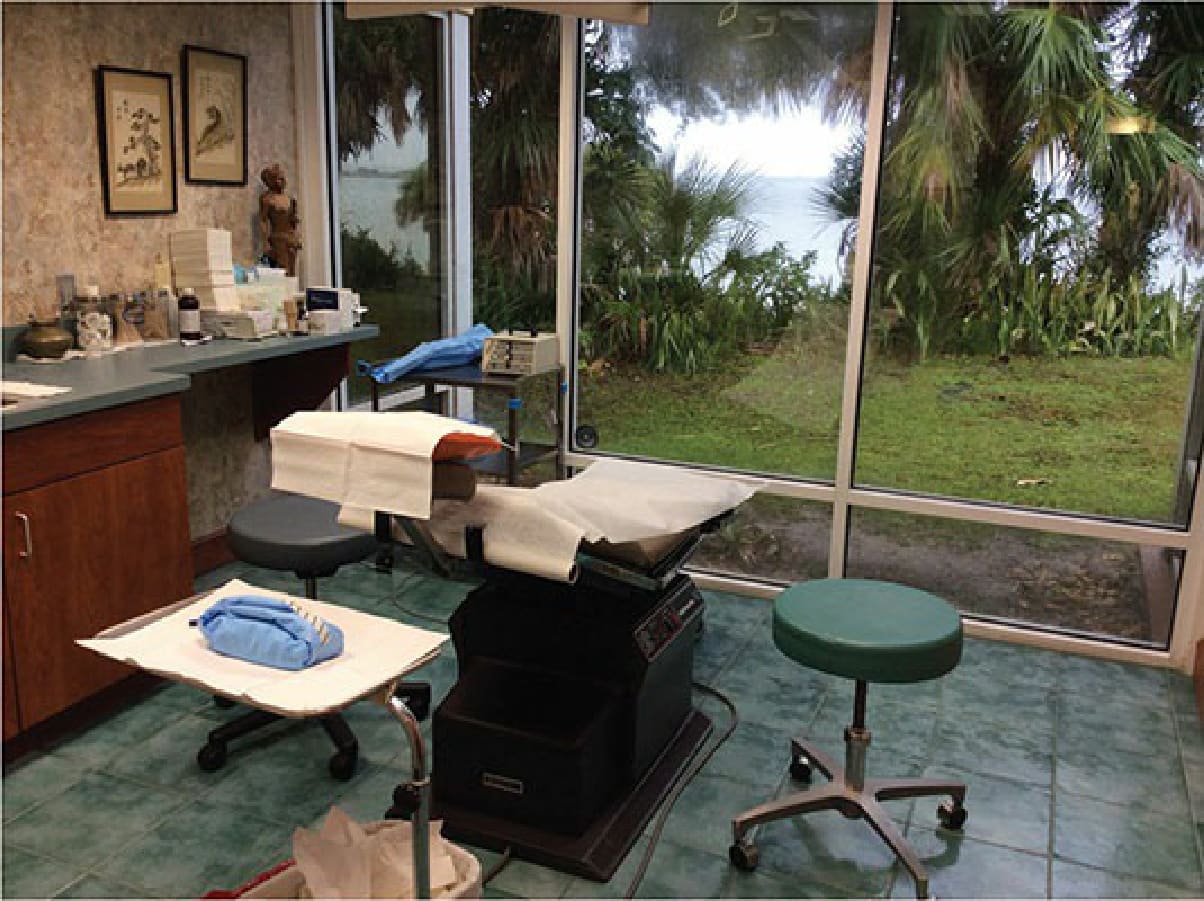
Figure 4-5. Spacious architecture and natural sunlight from sealed windows may improve the surgical experience.