Lighting
Lighting
Proper lighting and visualization of the surgical field is of paramount importance when performing surgical procedures. Natural light in the surgical suite through sealed windows is encouraged. The room should have good general lighting with standard
fluorescent or LED lights that illuminate the central working area. General room lighting may be augmented by a large, adjustable, ceiling-mounted overhead operating room light. Shadowless lighting delivering precision illumination is the ideal, and there are many options available.2 Lights should be adjustable during surgery, which may be accomplished by using sterile disposable handle covers, sterilized aluminum foil, or autoclavable handles that can be screwed in place. Alternatively, eyeglass-mounted LED lights provide direct illumination for the surgical field and are increasingly becoming the norm as long-lasting battery packs coupled with a decreased price point make these the illumination technique of choice for many surgeons (Fig. 4-2).
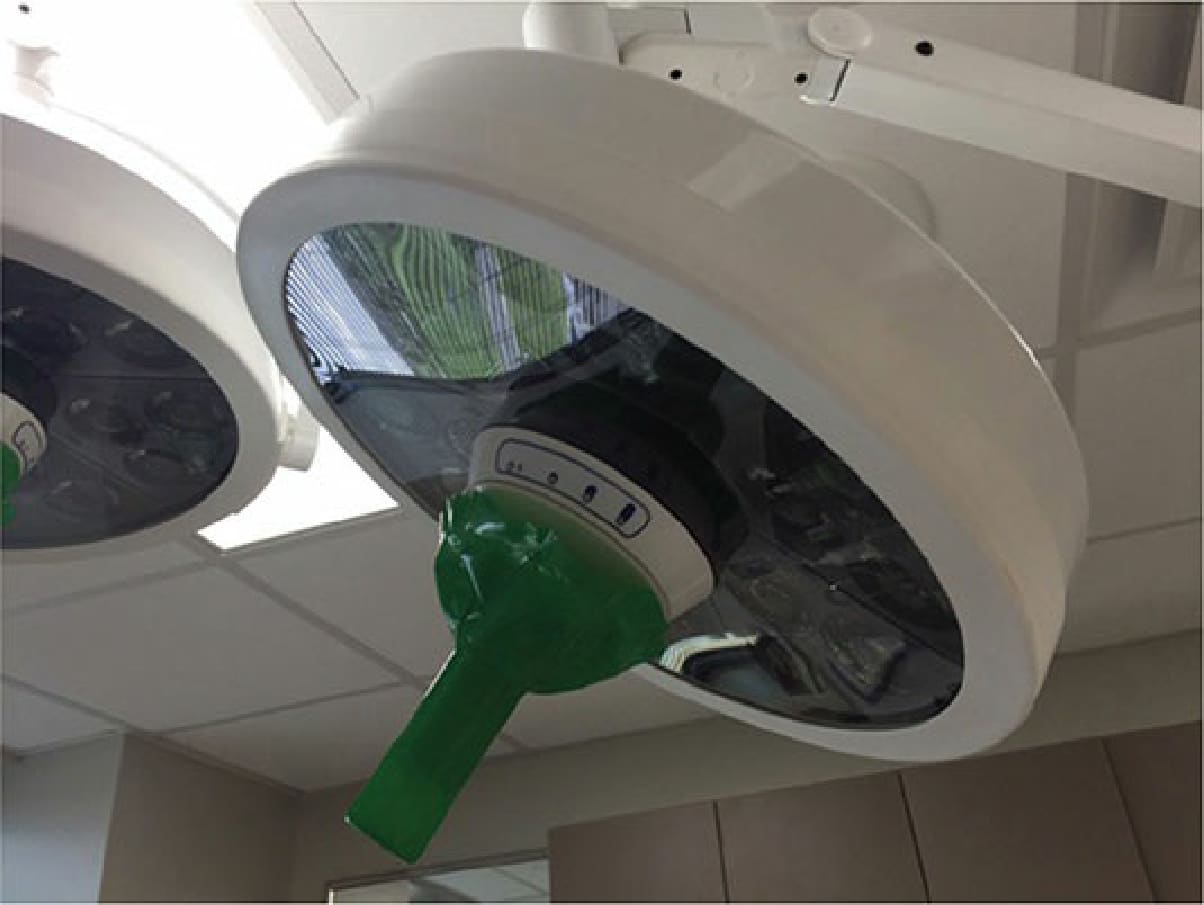
Figure 4-2. Overhead-mounted operating room lights.