Postoperative treatment
Postoperative treatment
Patients are generally given prescriptions for antibiotics, analgesics, antiemetics, and a steroid regimen (Table 74-2). An understanding, available, and competent caregiver at home during the course of recuperation is of paramount importance.
Patients are seen the following morning and the dressings are removed. Flaps are inspected for viability and hematoma or seroma formation, and any visible fluid collections are aspirated. If dressings are to be continued, a less bulky dressing is generally placed. The IV catheter “vents” are also removed at this appointment.
Patients are then seen at 1 week, 2 weeks, 1 month, and 3 months postoperatively. Figure 74-18 shows two patients with differing postoperative recovery responses.
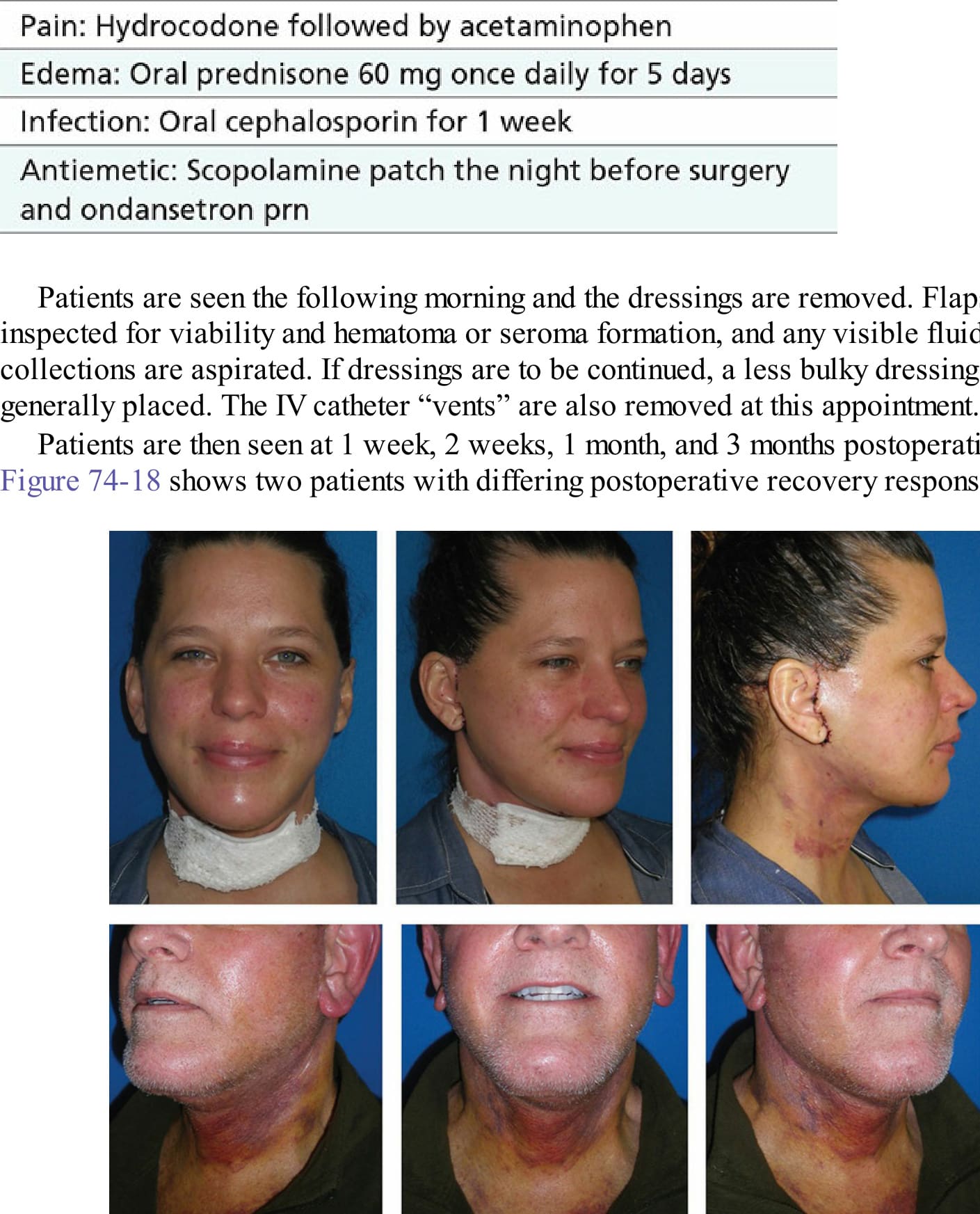
Figure 74-18. The top picture shows a younger patient with a typical 24-hour facelift postoperative appearance. The male in the bottom picture shows more pronounced bruising 72 hours post facelift.
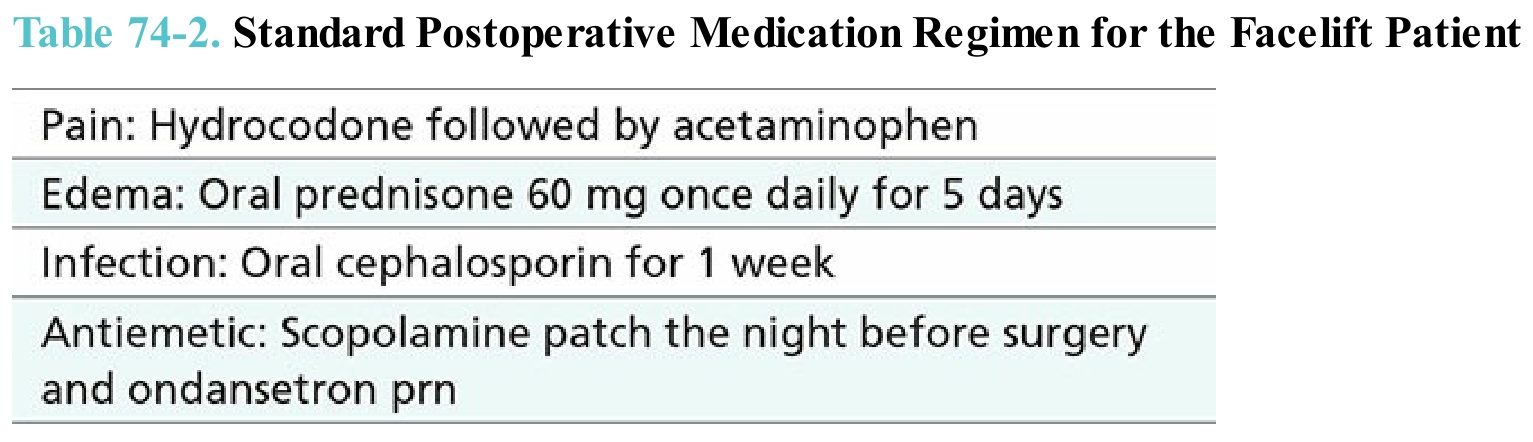
Table 74-2. Standard Postoperative Medication Regimen for the Facelift Patient