Size
Size
The width of an incision to implant a follicular unit graft will be influenced not only by the dimensions and shape of the instrument used, but also the quality of the recipient site skin and angle of instrument insertion. There are many different tools used to make incisions, though there is no consensus on which is the best (Fig. 62-18). Various-sized hypodermic needles, needle-tipped implanter devices, blades fitted onto needle holders, or custom made handles may be considered (Figs. 62-19 and 62-20). What can be agreed upon is that if grafts are going to be implanted after the incisions are made, the incision should be large enough to insert the graft with minimal manipulation but small enough that the graft fits snugly, does not pop out, and tamponades any bleeding. Several incisions should be tested for different follicular unit sizes initially to ensure the correct size sites are made prior to making all the incisions.
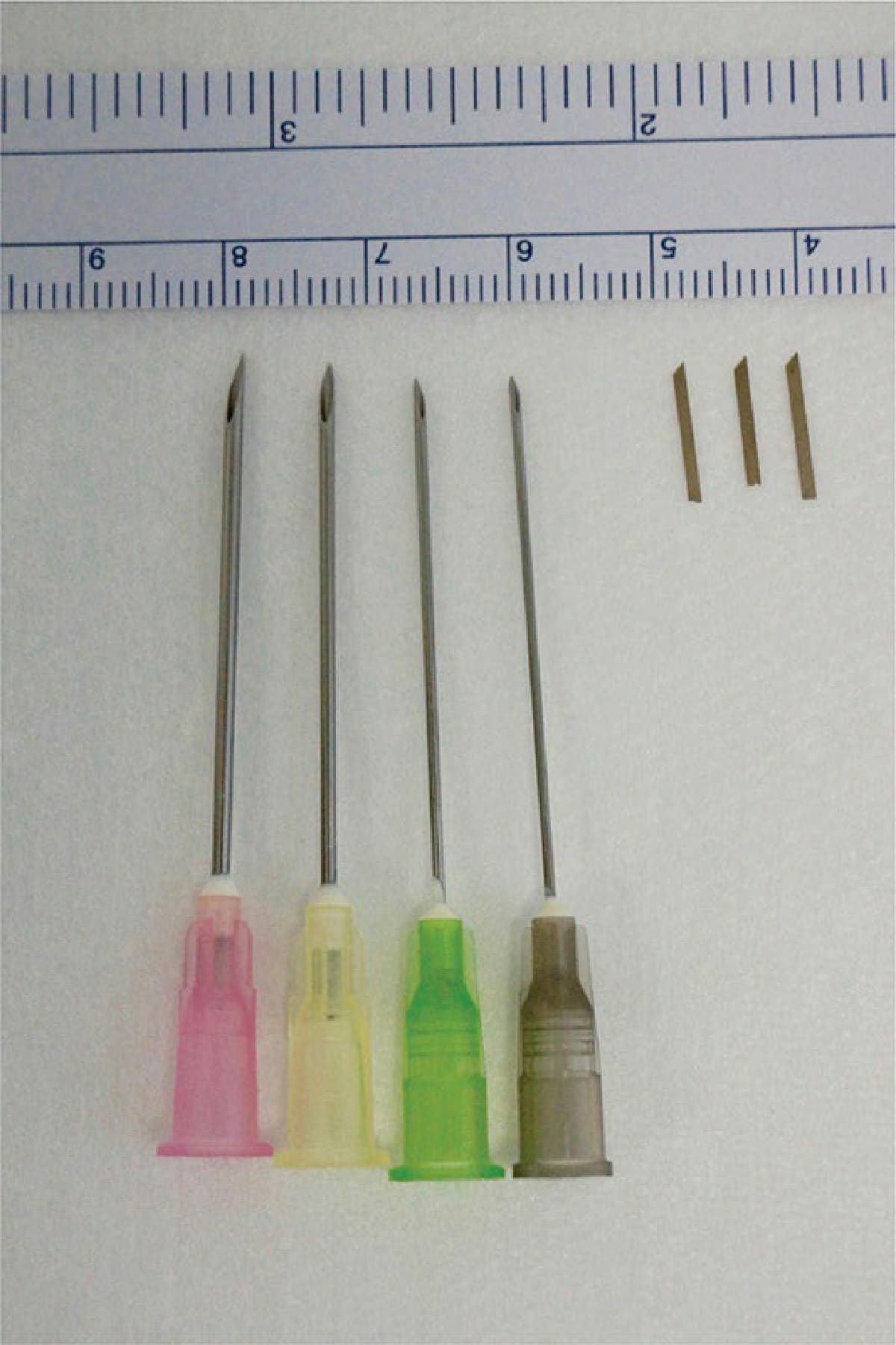
Figure 62-18. Variety of needles and blades for recipient site making.
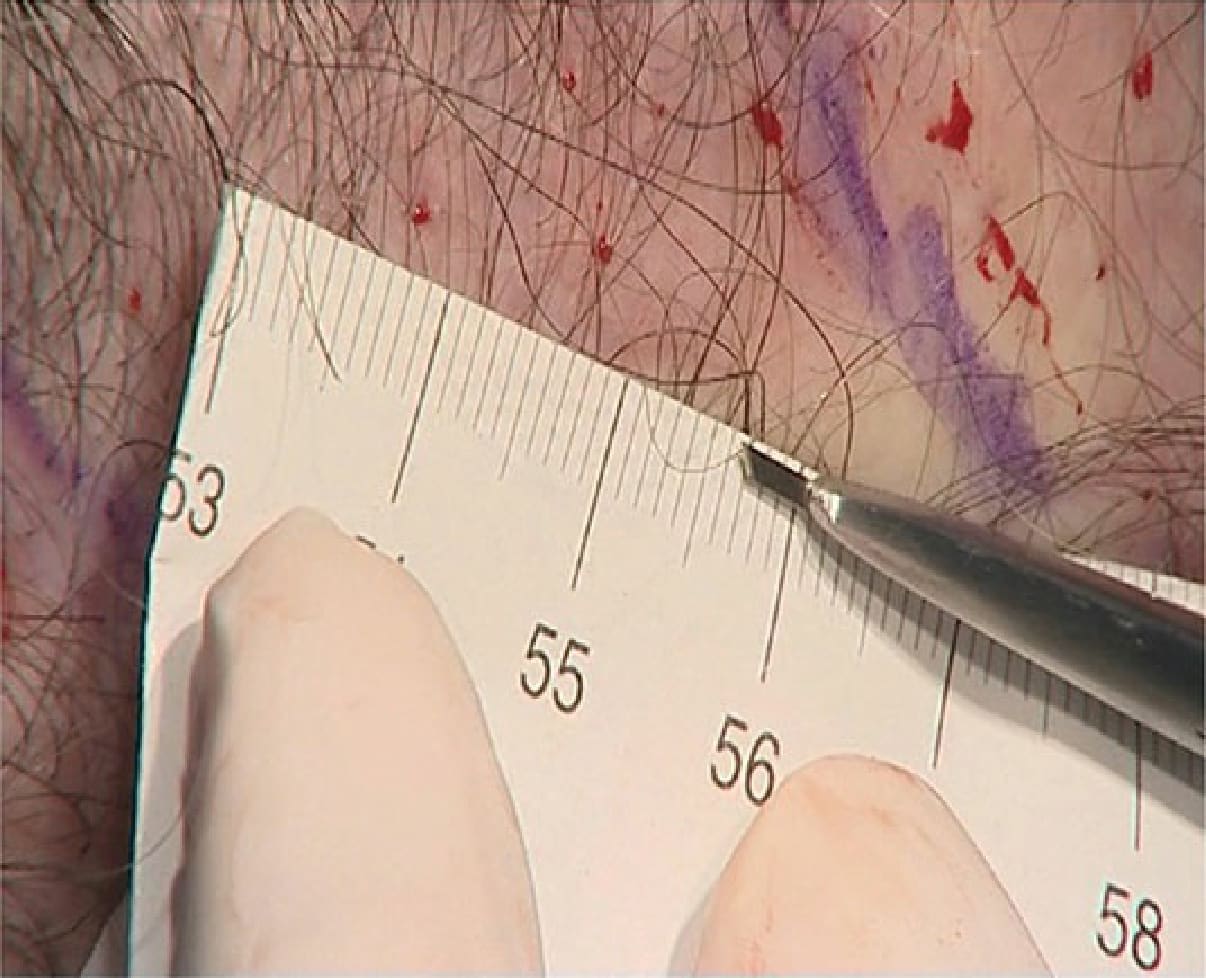
Figure 62-19. Cut-to-size blade attached to needle holder for depth control.
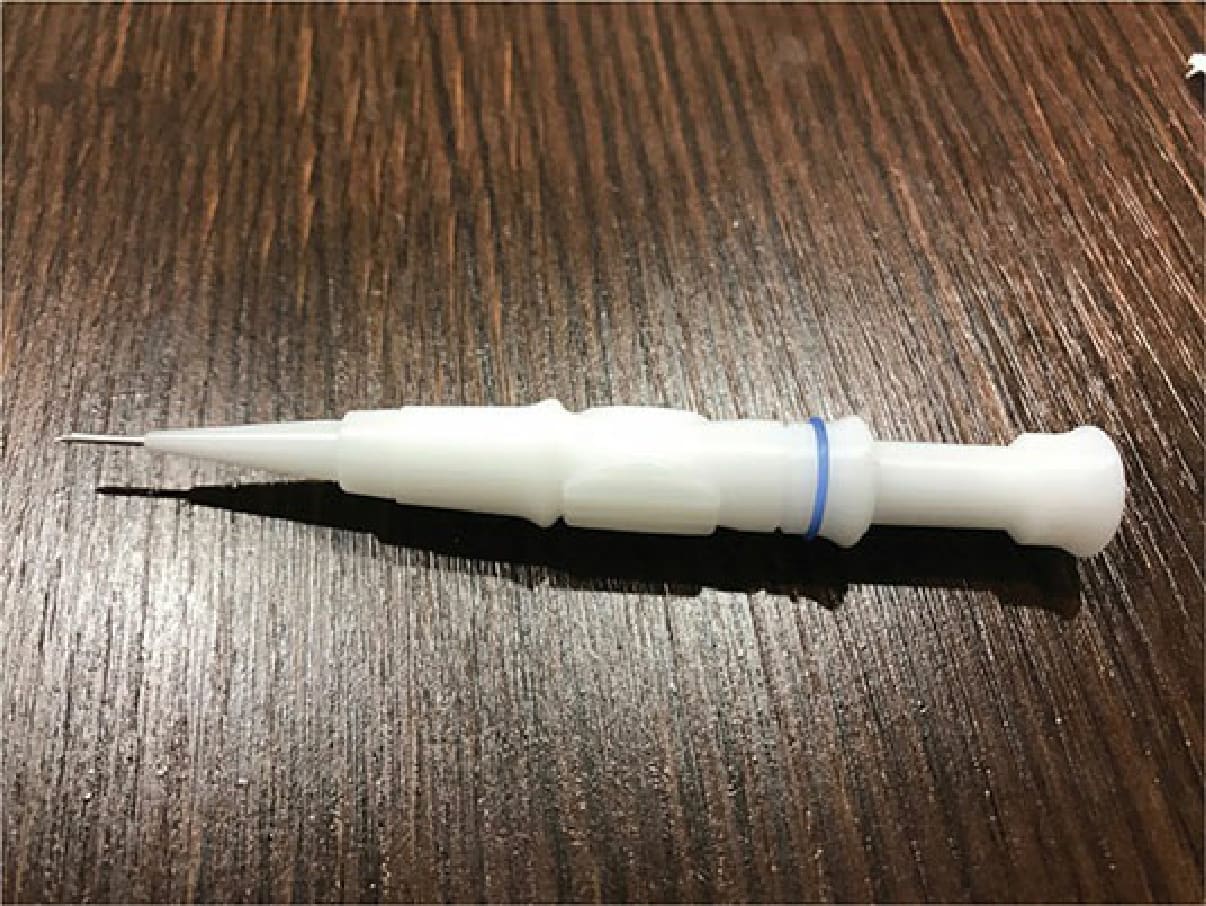
Figure 62-20. Implanter example by Lion.