HAIRLINE DESIGN
HAIRLINE DESIGN
Designing the hairline and determining its position are probably the most important aspects of the procedure. There are a number of guidelines that can be used to choose the appropriate design irrespective of future hair loss.
First, determine the location of the trichion, or the lowest most central point of the hairline. The most reliable method determines the meeting point of the vertical plane over the forehead with the horizontal plane over the scalp. This can be viewed most clearly from a side profile of the patient, but can also be felt by sliding the thumb upward along the forehead until it suddenly slips and gives way; this was described by Sandoval as the shingling point (Fig. 62-6). In most males, this is approximately 7 to 8 cm from the glabella, and about 6 cm from the glabella in females. From this point, the hairline curves upward on either side to blend into a vertical line running through the lateral canthus (Fig. 62-7). From this point, a flare may be designed to curve downward and laterally anterior to the upper temporal hairline. Extreme caution should be exercised if the patient has potential for future hair loss in this area, as this could appear unnatural. Beginners are best advised to avoid this latter design element. The hairs within the above design normally grow in a forward direction, while the ones joining the temporal hairline grow downward and posteriorly, as well as at a more acute angle. Lower and flatter hairlines may look unnatural and unbalanced in the future if the patient has the potential to progress to advanced male pattern baldness. It is important to adhere to the above guidelines until the practitioner attains sufficient experience.
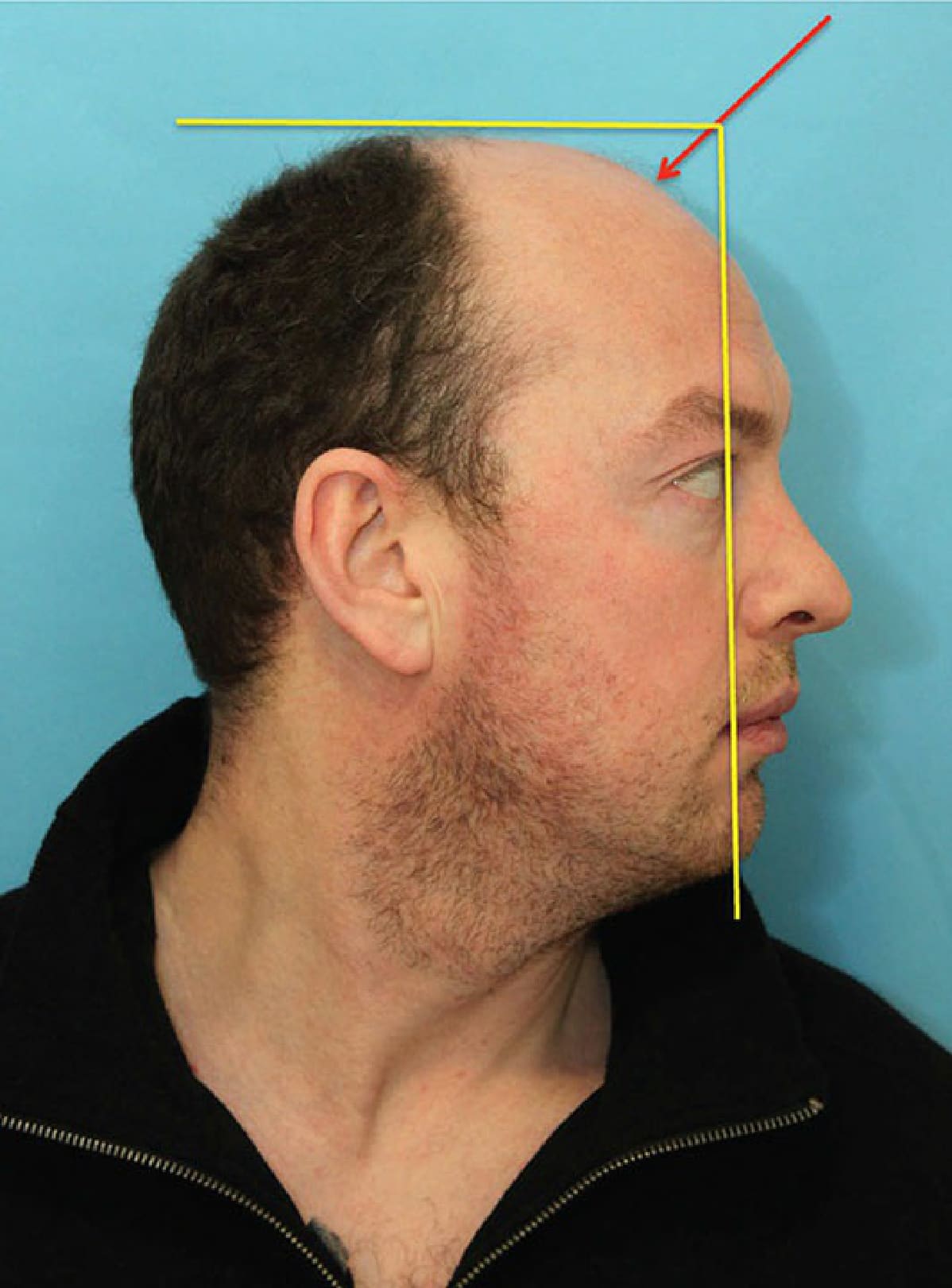
Figure 62-6. Determining the “shingling” point (red arrow).
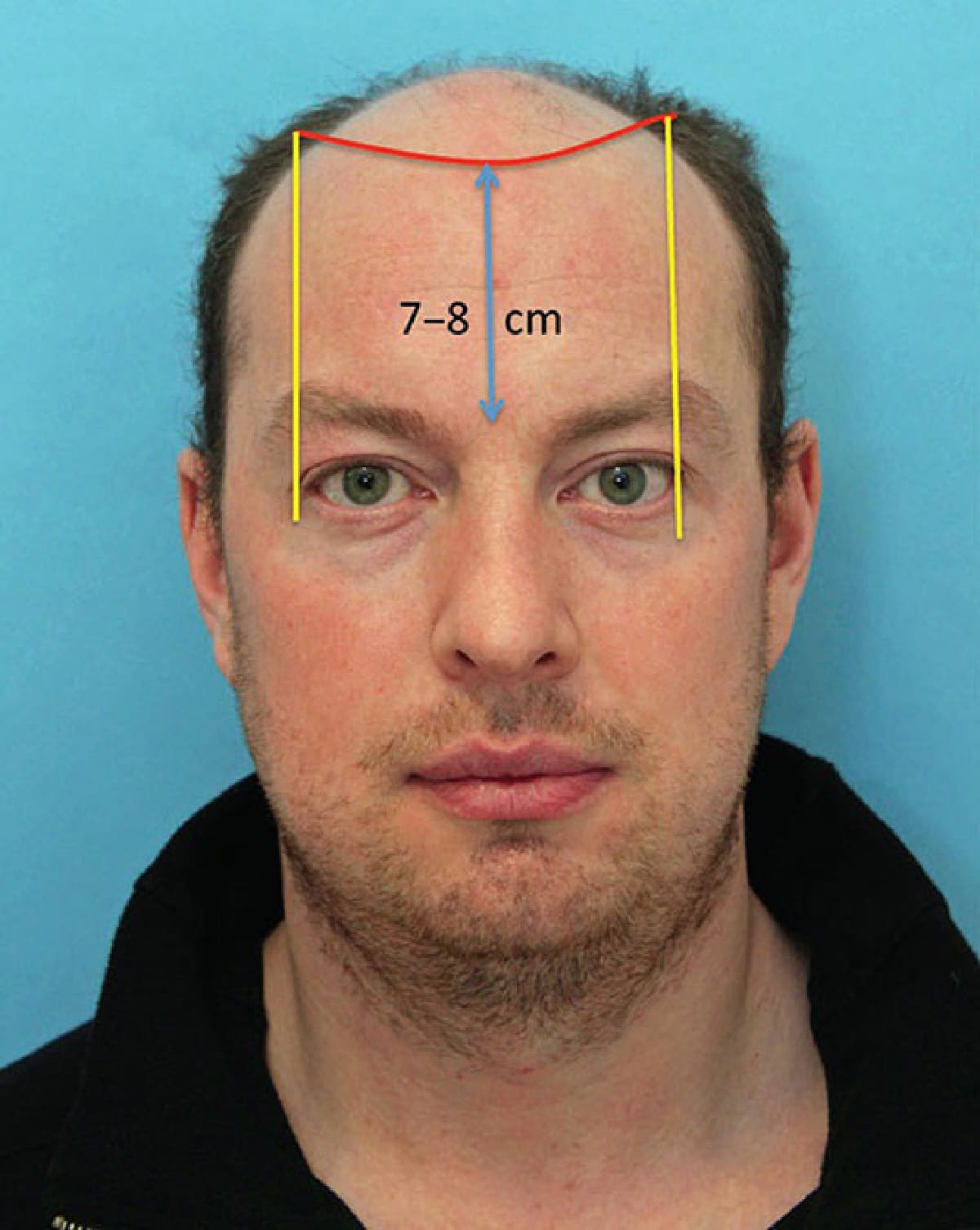
Figure 62-7. Frontal hairline landmarks.