Locking
Locking
Locking suture techniques, frequently used in concert with running techniques, allow the suture material to be fixed in place. They are frequently used with a simple running suture (the running locking or locked suture), which maintains even tension over each of the suture loop so that bunching and differential tension is less likely. This technique has also been suggested as an adjunct to achieving hemostasis. Other techniques, such as the horizontal mattress suture, may be locked as well, though in practice, this is performed less frequently.
CONCLUSIONS
Meticulous suturing technique is the cornerstone of every surgical repair. While the dermatologic surgeon does not need to incorporate a vast array of techniques into daily practice, precise placement of sutures coupled with an appreciation of the subtle
variations in individual patients that may benefit from particular niche techniques is very helpful and may result in improved surgical outcomes.
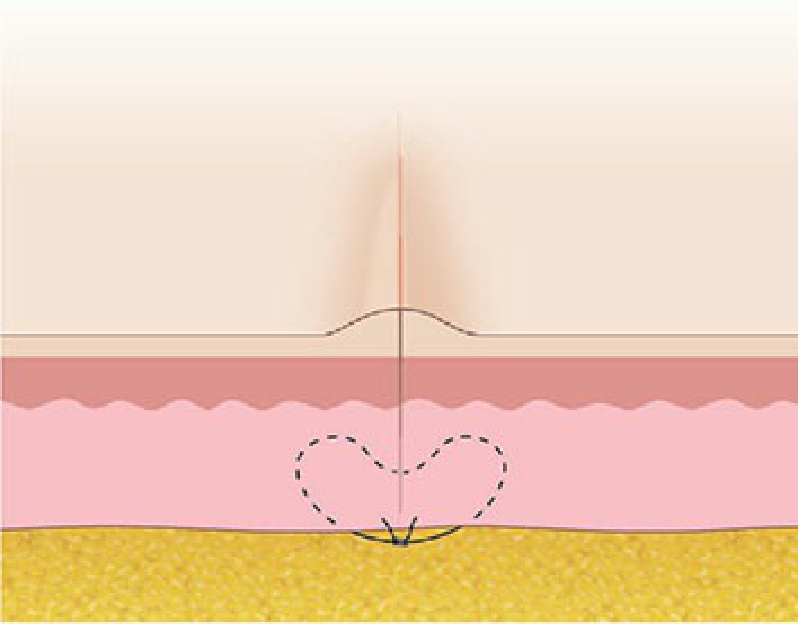
Figure 13-3. Lateral view of the buried vertical mattress suture highlighting the heart-shaped path the suture material takes through the dermis.
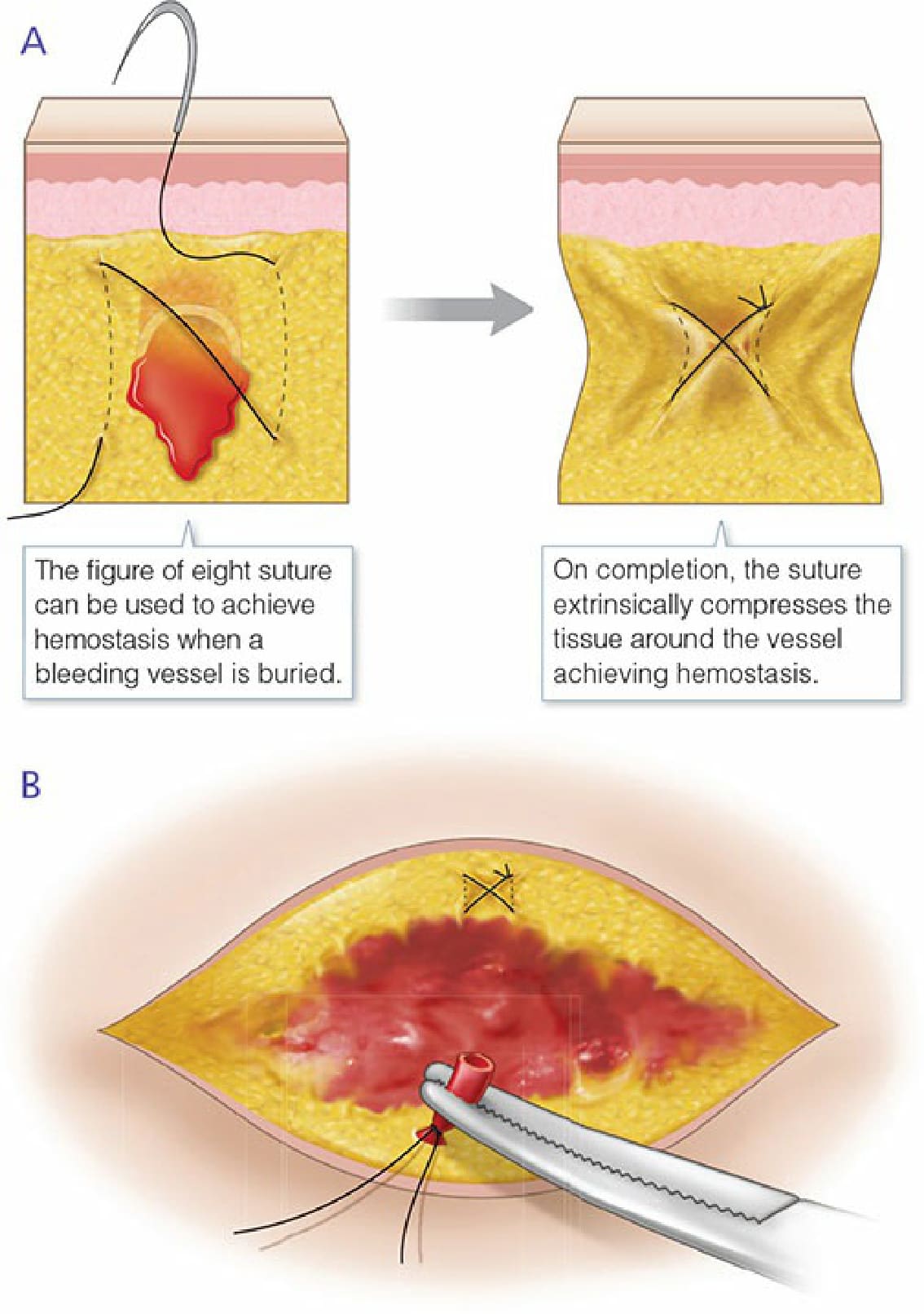
Figure 13-30. Approaches to hemostasis using a figure- of-eight suture or direct ligature.