Running
Running
Running suture techniques are frequently used for their rapidity and ease of placement. The classic technique is the simple running suture (Fig. 13-28), where anchoring sutures are placed at one end of the wound and successive bites are taken moving along the wound. Whether each bite is oriented perpendicularly or diagonally relative to the incision line is largely a point of style.
The running horizontal mattress suture, possibly with intermittent single bites, is another useful technique that leads to excellent wound-edge eversion (Fig. 13-29). A running vertical mattress technique is also possible, though it is used less frequently.
The advantage of running techniques is that they are fairly quick to place, as individual knots are not needed for each suture bite. This is also their central disadvantage, since the entire suture line is secured by only two knots, and if either one is compromised then the integrity of the repair is lost.
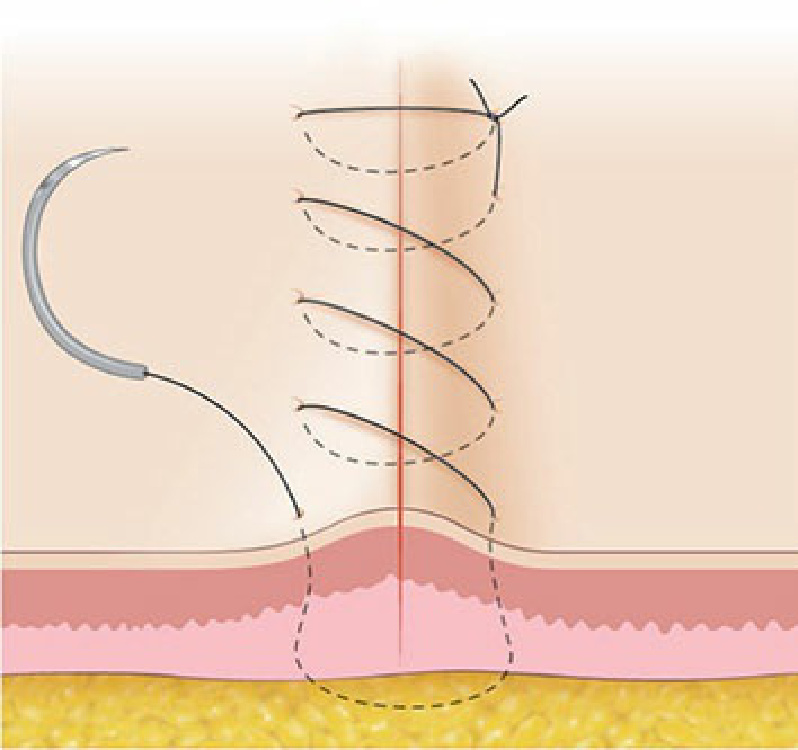
Figure 13-28. The simple running suture technique.
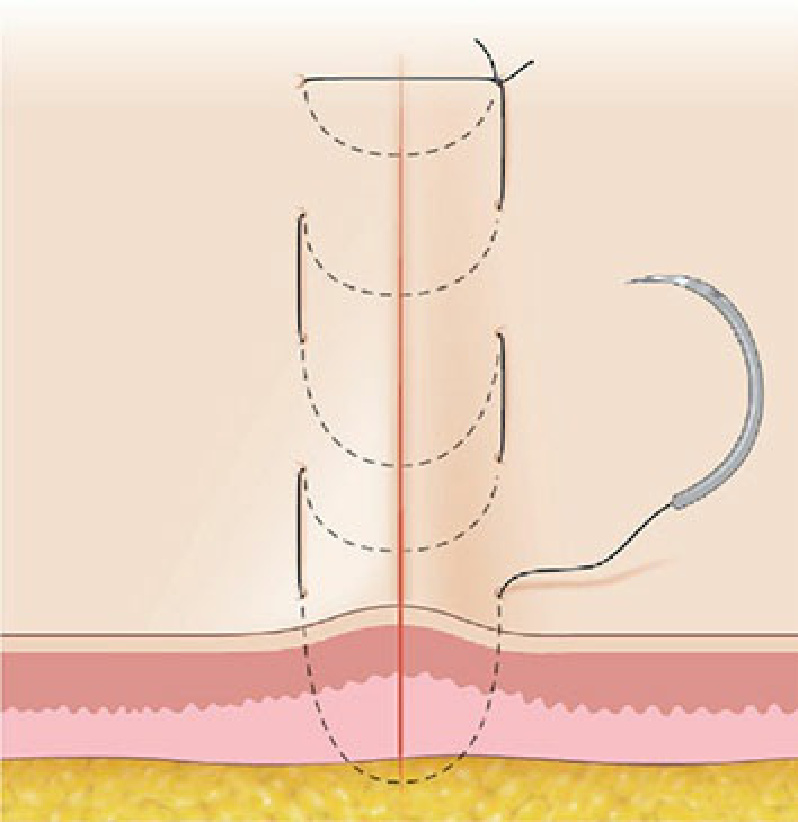
Figure 13-29. The running horizontal mattress technique.