Curettes
Curettes
The curette is a surgical instrument designed for scraping (Figs. 5-3 and 5-4). The handle may be of various weights, lengths, and textures. The head, usually crafted from the same piece of metal as the handle, may be round or oval, cup or ring shaped, ranging from 1 to 10 mm wide, and is sharp on one side. Curettes are most commonly used to remove or destroy benign or malignant lesions. They may also be used to debulk and delineate tumor margins prior to excision or Mohs surgery. As with other surgical instruments, the most appropriately sized instrument for the procedure should be selected to facilitate destruction while avoiding surrounding tissue damage.
Curettes are available in both disposable and reusable designs. Disposable curettes have a sharper tip, and function similarly to a curved scalpel blade. Most surgeons favor the reusable instruments, as their blunter edge provides improved sensory feedback, allowing the surgeon to better differentiate between various tissue types.
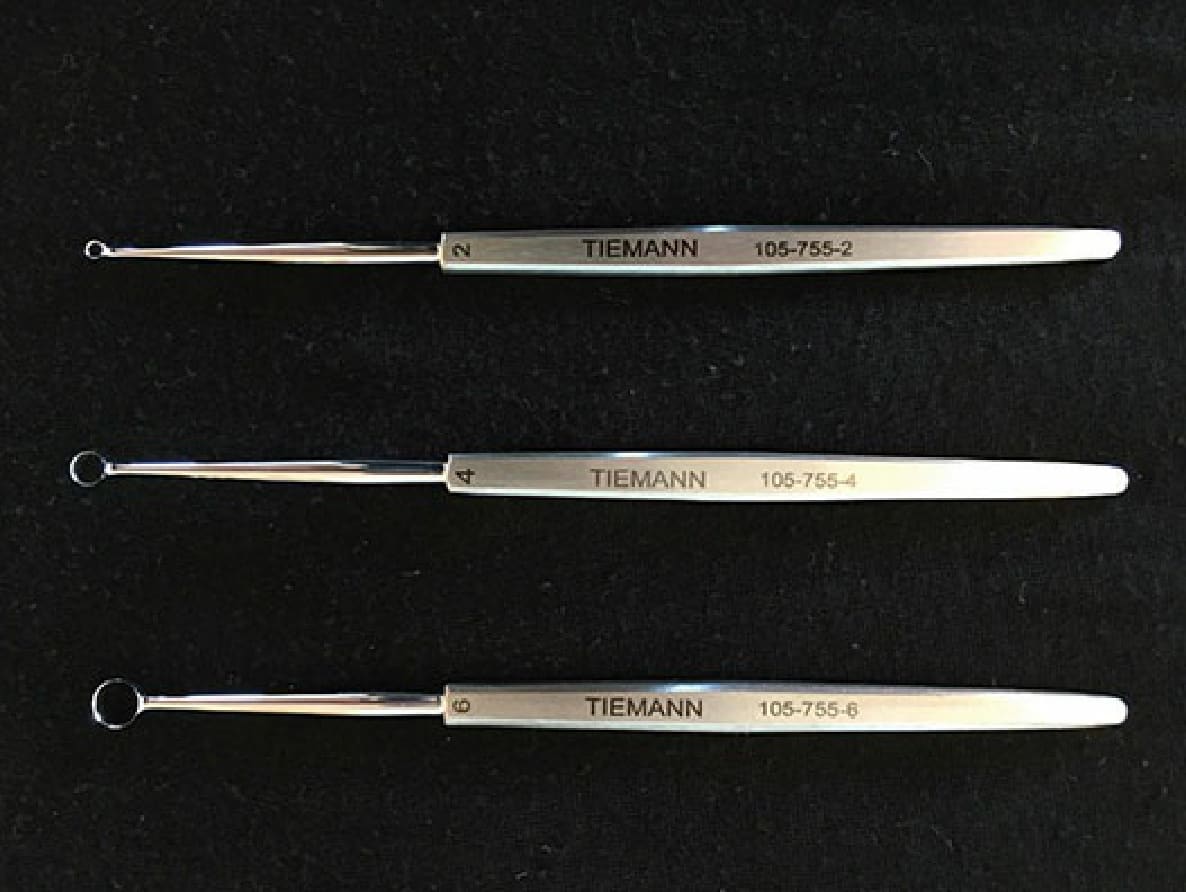
Figure 5-3. Curettes are available in various weights, lengths, and textures.
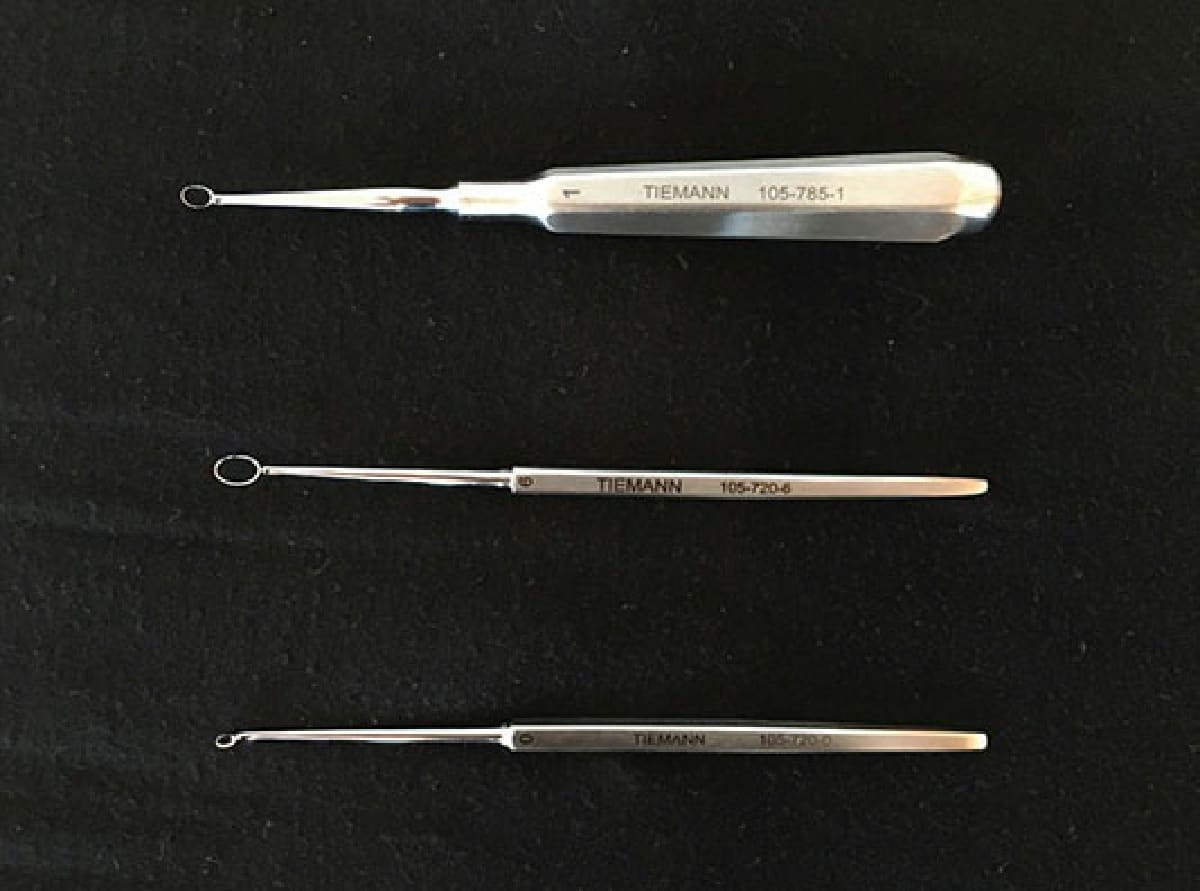
Figure 5-4. Larger curettes may be used for thicker tumors.