Design
Design
While each dermatologist may have their own opinion regarding what is needed in their operating room, statutory requirements should be considered first before designing their suite. The American Academy of Dermatology has published guidelines of care for office-based surgical facilities that can be utilized as a starting point for surgical suite design.4,5 Table 4-2 shows sizing suggestions for rooms, doors, and ceilings in the surgical suite.
The surgical table should be located at the center of the room. There should be approximately 3 ft of clearance room at the ends of the table and, ideally, 4 ft at the
sides to allow easy access to the patient by the dermatologic surgeon, surgical assistant, and circulating staff. A power outlet should ideally be wired into the center of the floor to eliminate power cords running across the floor to a wall socket.
Multiple electrical outlets in the surgical suite are essential, especially if a room is utilized for multiple procedures such as reconstruction, electrosurgery, and light-based procedures. When designing a surgical suite from the ground up, wiring all surgical rooms for 220 V would be wise in the event that lasers or other special equipment are added in the future.1 Room access may be via a pocket door, rather than a swinging door, to permit the room to be separated from the rest of the office environment while maximizing floor space (Fig. 4-1).2
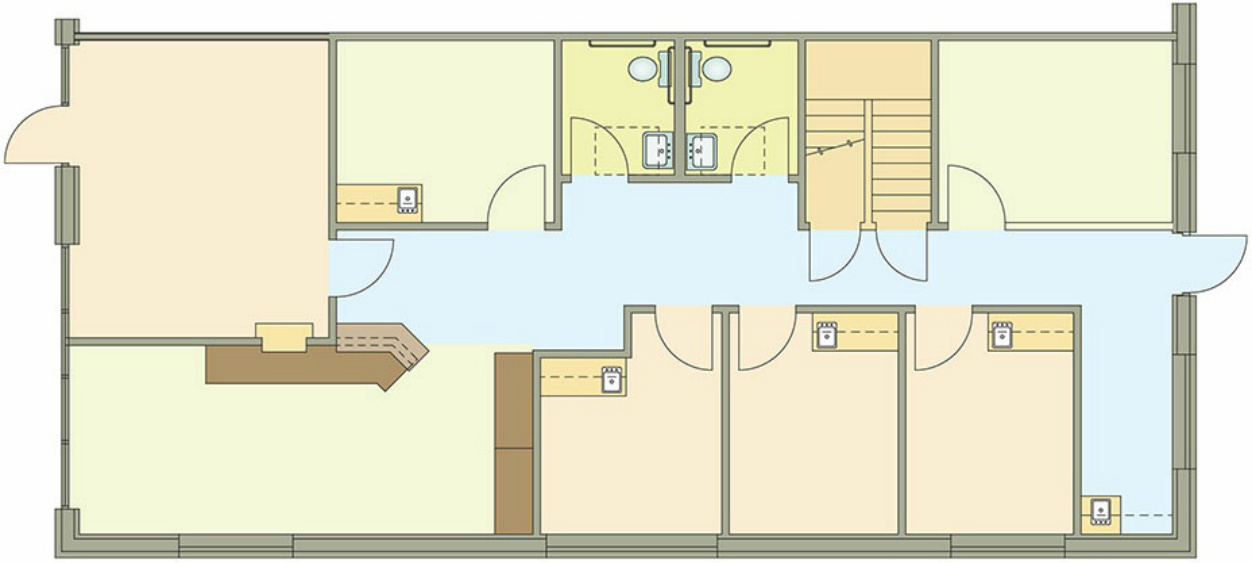
Figure 4-1. Representative surgical suite blueprint.
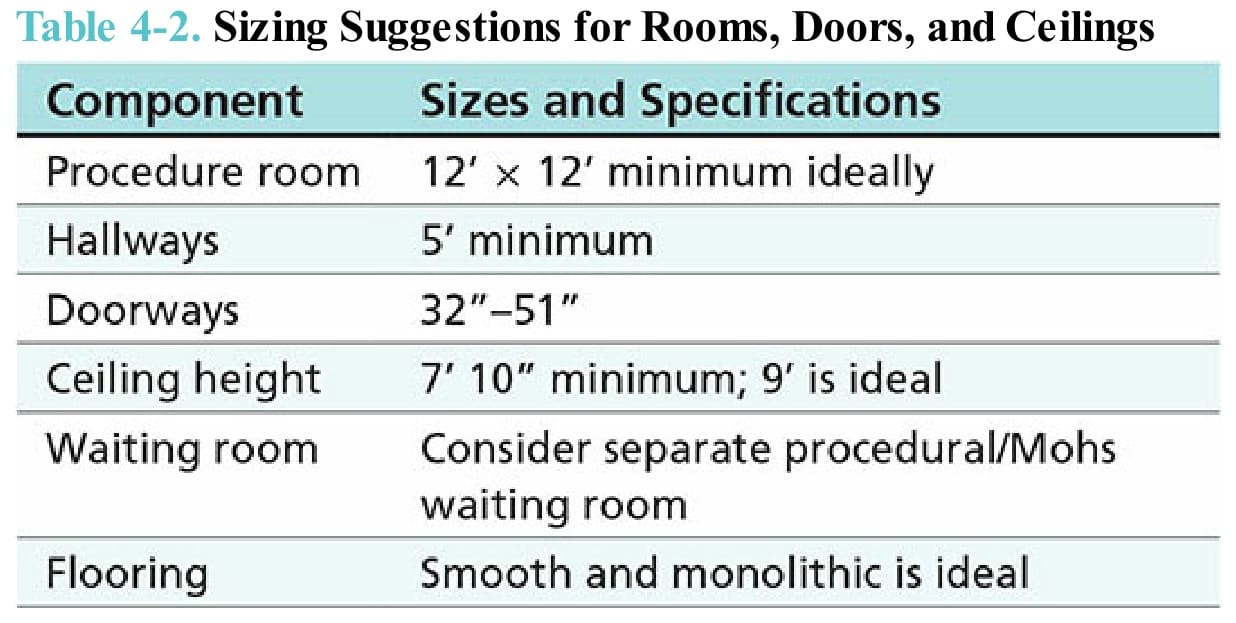
Table 4-2. Sizing Suggestions for Rooms, Doors, and Ceilings